
Need industrial grade iot gateway support ?

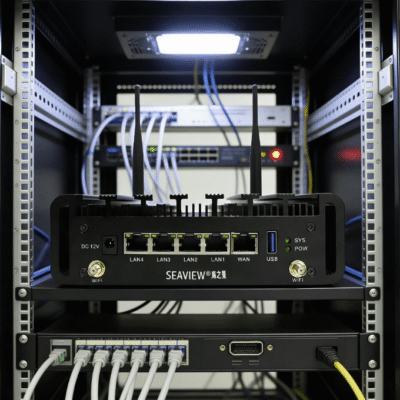
Implementing a robust connectivity strategy for the Industrial Internet of Things (IIoT) often starts with a single question regarding hardware reliability. An industrial grade iot gateway acts as the central nervous system for modern smart factories and remote monitoring sites. Unlike consumer-grade routers, these devices must manage complex data flows while surviving extreme physical stress. Selecting the right support involves understanding how hardware and software work in harmony to prevent downtime.
The primary function of an industrial grade iot gateway is to bridge the gap between operational technology (OT) and information technology (IT). It collects raw data from sensors, translates legacy protocols, and transmits secure packets to the cloud. Most industrial facilities require these gateways to operate 24/7 in non-climate-controlled environments. Consequently, the hardware must feature advanced thermal management and electrical protection circuits to ensure system longevity.
In the first 30% of your digital transformation journey, identifying the correct iot gateway device is the most critical step. A failure at this level can result in massive data loss or localized system shutdowns. High-performance gateways now utilize 5G technology and edge computing to handle the massive throughput of Industry 4.0. By selecting a device with professional technical support, enterprises can minimize integration risks and accelerate their deployment timelines.
What defines an Industrial Grade IoT Gateway?
To be classified as industrial grade, a gateway must meet specific international standards for durability and performance. It is not merely a matter of a metal casing; the internal components must be rated for high-stress environments. These devices typically feature a Mean Time Between Failures (MTBF) of over 100,000 hours in demanding conditions.
Hardware Ruggedness and Thermal Management
An industrial grade iot gateway must operate in extreme temperatures, often ranging from -40°C to +85°C. Standard commercial electronics would fail within minutes in such conditions due to component fatigue. Most professional gateways use fanless designs to prevent dust ingress and mechanical wear. The use of industrial-grade capacitors and resistors ensures that the internal circuits remain stable despite fluctuating power supplies.
Processing Power for Complex Edge Tasks
Modern gateways require significant computing resources to handle real-time data processing. High-end models often utilize ARM-based processors with speeds reaching 800MHz or higher. This power is necessary for running advanced operating systems and localized analytics. Industrial grade iot gateway units with 512MB of RAM can manage multiple concurrent VPN tunnels without impacting data throughput. This ensures that the device can process critical logic locally before sending summarized data to the cloud.
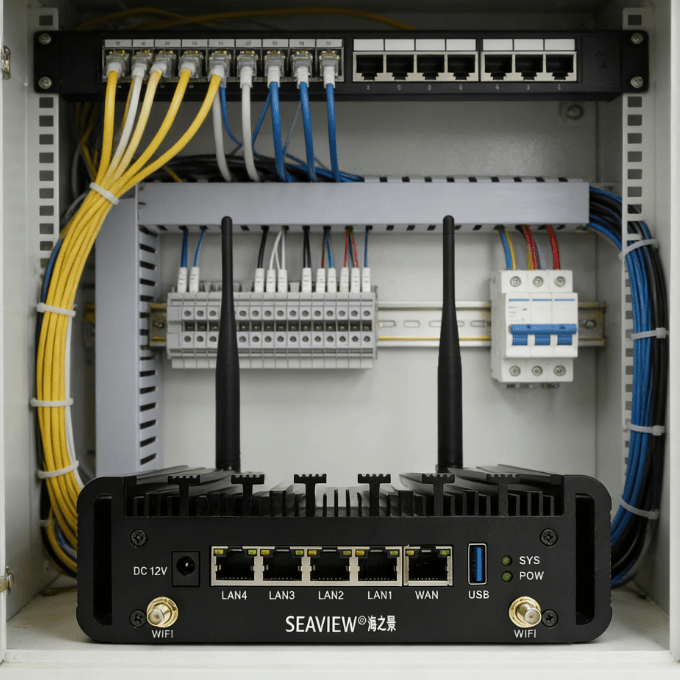
The Evolution of Industrial IoT Gateway Development
The landscape of industrial iot gateway development has shifted from simple protocol converters to intelligent edge controllers. This evolution is driven by the need for faster response times and lower bandwidth costs. As more devices connect to the network, the gateway must become more sophisticated in its management of data traffic.
Integrating 5G and Low-Latency Standards
The introduction of 5G connectivity has revolutionized industrial iot gateway development by providing fiber-like speeds wirelessly. 5G networks offer latency as low as 1 millisecond, which is essential for motion control and robotics. A 5G-enabled industrial grade iot gateway allows for high-density sensor deployments without the need for extensive cabling. This flexibility reduces installation costs by approximately 30% in large-scale manufacturing plants.
Transition to Open-Source Industrial OS
Software is now as important as hardware in the development of top industrial iot gateways. Many manufacturers are moving away from proprietary systems toward open-source platforms like OpenHarmony or specialized Linux distributions. These operating systems provide a modular framework for adding new features via software updates. They also offer better compatibility with third-party cloud platforms, allowing for a more flexible IIoT ecosystem.
Key Benefits of an Industrial IoT Edge Gateway
Utilizing an industrial iot edge gateway provides a layer of intelligence at the source of the data. This decentralized approach is often referred to as “fog computing” or edge intelligence. It allows the system to make decisions in microseconds, which is vital for safety-critical applications.
Real-time Data Pre-processing
An industrial iot edge gateway can filter and normalize data before it leaves the factory floor. By only sending relevant alerts or summaries to the cloud, businesses can reduce their data storage costs by up to 50%. For example, instead of sending a constant temperature reading, the gateway only reports when a threshold is exceeded. This reduction in traffic prevents network congestion and ensures that critical messages receive priority.
Enhanced Security and Encrypted Tunnels
Security is a non-negotiable requirement for any iot gateway device used in critical infrastructure. Edge gateways include built-in firewalls and support for multiple VPN protocols like IPsec and OpenVPN. They often feature hardware-based encryption to protect sensitive data from cyber threats. Industrial grade iot gateway units can maintain secure connections even over public cellular networks, ensuring that industrial secrets remain private.
- Wide Voltage Input: Supports 9V to 36V DC to handle unstable industrial power grids.
- Multiple Interfaces: Includes RS232, RS485, and Ethernet ports for legacy machine compatibility.
- Dual SIM Support: Provides network failover to ensure the gateway stays online during outages.
- Hardware Watchdog: Automatically resets the device if the software hangs to prevent permanent downtime.
- DIN-Rail Mounting: Designed for easy installation in standard industrial electrical cabinets.
- Protocol Conversion: Supports Modbus RTU, Modbus TCP, MQTT, and OPC UA out of the box.
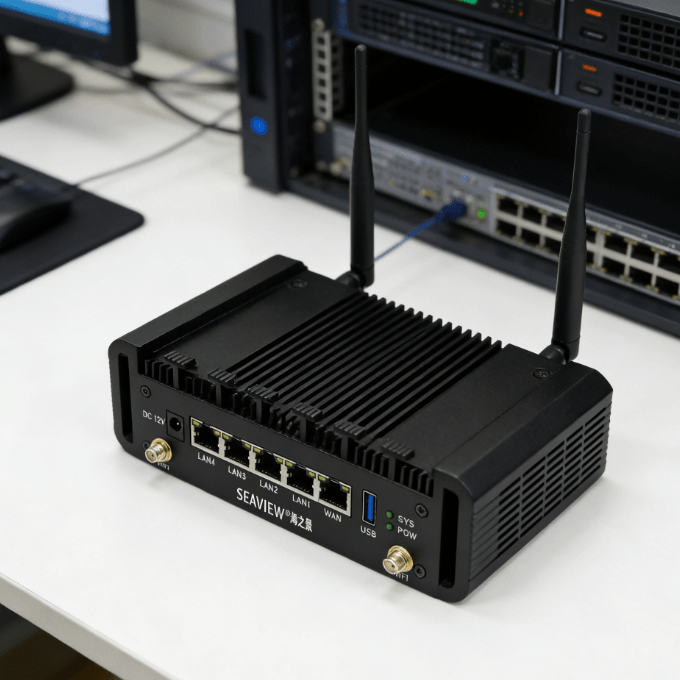
How to Evaluate and Select an IoT Gateway Device?
Choosing from the list of top industrial iot gateways requires a detailed analysis of your specific application needs. Not all gateways are created equal, and an overpowered device is as wasteful as an underpowered one. You must judge a device based on its ability to scale as your network grows.
Assessing Protocol Interoperability
Your chosen iot gateway device must be able to “speak” the language of your existing machinery. Most factories use a mix of PLC brands and sensor types that utilize different communication protocols. A high-quality gateway acts as a universal translator, converting Modbus or Profibus signals into MQTT for cloud integration. A gateway that supports over 300 industrial protocols is standard for top-tier IIoT projects.
Scalability and Remote Management
Managing a fleet of gateways across multiple sites requires a centralized management platform. Professional industrial grade iot gateway support includes cloud-based tools for bulk configuration and firmware updates. This remote capability allows technicians to troubleshoot issues without visiting the physical site. Scalability ensures that you can add hundreds of new devices to your network with a single click.
Choosing the Right Support for Your Industrial Infrastructure
The ultimate judgment standard for an industrial grade iot gateway is its ability to integrate into a modern, high-speed network environment. You should look for devices that offer future-proof technologies like 5G and high-performance operating systems. A reliable gateway serves as a long-term investment that protects your data integrity.
The HarmonyOS 5G Industrial Router Model SIE2000HL5 is an exemplary solution for these requirements. It features the latest HarmonyOS (OpenHarmony) for superior stability and security. With its high-performance 800MHz processor and 512MB of RAM, it can handle the most demanding edge computing tasks. This model supports both 5G and 4G networks, ensuring consistent connectivity in any geographical location.
Furthermore, the SIE2000HL5 includes essential industrial interfaces like RS485 and RS232, making it compatible with a wide range of legacy hardware. Its wide operating temperature range and robust electrical protection make it suitable for the harshest environments. When you select a device like the SIE2000HL5, you are choosing a foundation for a scalable and secure IIoT architecture. Investing in high-performance hardware reduces the “hidden costs” of maintenance and system downtime over the product’s lifecycle.
Summary
In summary, an industrial grade iot gateway is essential for stable, secure, and efficient IIoT operations. By focusing on industrial iot gateway development and choosing an industrial iot edge gateway, businesses can achieve real-time insights and cost savings. Utilizing an advanced iot gateway device like the SIE2000HL5 ensures your infrastructure is ready for the high-speed future of 5G and Industry 4.0. Proper selection based on ruggedness, processing power, and protocol support is the key to long-term success.
FAQ
1. What is the difference between a commercial router and an industrial grade iot gateway?
An industrial grade iot gateway is built with rugged components to withstand extreme temperatures, vibrations, and electrical interference. Unlike commercial routers, it supports industrial communication protocols like Modbus and features advanced security tunnels for industrial data. It also typically offers a much longer service life and higher MTBF ratings.
2. Why is 5G important for an industrial iot edge gateway?
5G provides the high bandwidth and low latency required for real-time industrial applications such as remote robotics and high-definition video inspection. An industrial iot edge gateway with 5G can connect thousands of devices per square kilometer, making it ideal for large-scale “smart factory” environments.
3. Can an industrial grade iot gateway work with old machines?
Yes, most top industrial iot gateways include serial ports (RS232/RS485) and software drivers for legacy protocols. This allows them to collect data from older PLCs and CNC machines and convert it into modern cloud-ready formats like MQTT or JSON.
4. How does HarmonyOS improve an iot gateway device?
HarmonyOS (or OpenHarmony) provides a highly stable, secure, and modular environment for industrial iot gateway development. It allows for distributed task handling and faster communication between devices on the same network. Its lightweight nature ensures that the gateway remains responsive even under heavy processing loads.
5. Is edge computing necessary for every industrial project?
While not mandatory for every simple monitoring task, edge computing is highly recommended for projects requiring real-time decision-making or low bandwidth costs. An industrial iot edge gateway reduces the reliance on cloud connectivity, allowing the local system to function safely even if the internet connection is lost.
Reference Sources
Research on Edge Computing and Gateway Architectures for Industry 4.0
Specifications for 5G Connectivity in Industrial Environments