
What fits your iot gateway industrial?

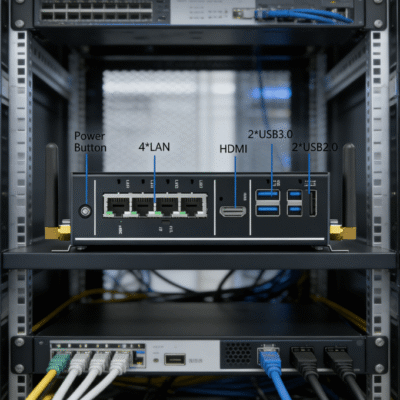
Selecting the right iot gateway industrial device is critical for the success of any Industry 4.0 project. These devices act as a bridge between operational technology and information technology systems. They collect data from sensors and translate it into cloud-compatible formats. A high-quality industrial iot gateway ensures that critical data flows without interruption.
The ideal fit for your application depends on several technical factors. You must consider the environment, the number of connected devices, and the required data speed. Most industrial iot gateways must handle extreme temperatures and fluctuating power supplies. Reliability is the most important judgment standard in this sector.
Beyond simple connectivity, modern iot gateway industrial solutions now include edge computing capabilities. This allows the device to process data locally before sending it to the cloud. Local processing reduces bandwidth costs and improves response times for critical alerts. Choosing a device with enough processing power is essential for future-proofing your network.
Key Features of a High-Performance Industrial IoT Gateway
An effective industrial iot gateway must be more than just a simple router. It needs to manage complex communication tasks while maintaining high security. The hardware and software must work in perfect harmony to support massive data loads.
Robust Hardware for Harsh Environments
Factories and outdoor sites present difficult conditions for electronics. A standard iot gateway industrial must operate within a temperature range of -40°C to 80°C. Metal housings provide better protection against electromagnetic interference and physical impact. Wide voltage inputs, such as 9-36V DC, help the device stay online during power spikes.
Versatile Communication Protocols
Industrial machines often use old or proprietary communication languages. A versatile iot industrial gateway supports Modbus RTU, Modbus TCP, and MQTT. It should feature multiple ports like RS485, RS232, and Ethernet. Wireless options like 4G LTE and WiFi provide flexibility for remote installations. This versatility allows you to connect a wide variety of sensors and PLCs.
Why You Need an Industrial IoT Gateway in Modern Factories
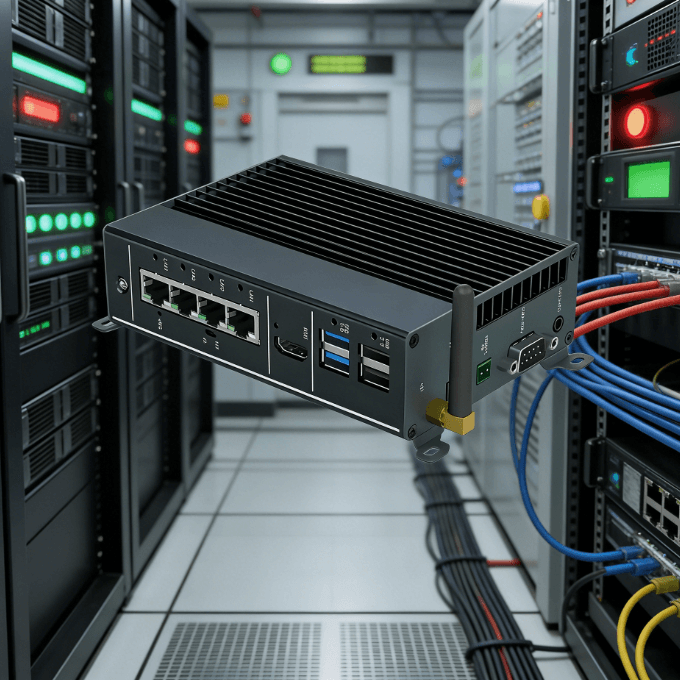
The transition to a smart factory requires seamless data integration across all departments. Without a gateway iot industrial device, your data remains trapped in silos. These gateways enable real-time monitoring and predictive maintenance strategies.
Real-Time Data Processing and Edge Computing
Processing data at the source is the hallmark of a smart industrial gateway iot. By filtering unnecessary data locally, the gateway saves significant cloud storage costs. It can trigger local alarms even if the internet connection fails. This ensures that safety systems remain operational at all times. Edge computing makes your iot gateway industrial setup much more efficient.
Centralized Device Management and Security
Managing hundreds of distributed devices is a major challenge for IT teams. A professional industry iot gateway supports remote configuration and bulk firmware updates. Security features like VPN tunnels and firewall protection are mandatory for data privacy. These tools prevent unauthorized access to your sensitive industrial network. Centralized management simplifies the scaling of your IoT project.
- Edge Intelligence: Look for Python-programmable environments for custom logic.
- Connectivity Failover: Ensure the gateway can switch between 4G and Ethernet.
- Data Buffering: High-capacity local storage prevents data loss during outages.
- Cloud Compatibility: The device should support Azure, AWS, and private clouds.
- Secure Tunnels: Look for OpenVPN or IPsec support to encrypt all traffic.
- I/O Flexibility: Digital and analog inputs allow for direct sensor connection.
Choosing the Right Industrial Gateway IoT for Your Project
Identifying the specific needs of your facility is the first step in the selection process. Not every project requires the most expensive industrial gateway iot on the market. However, cutting costs on hardware often leads to higher maintenance expenses later.
Technical specifications should match your data throughput requirements. If you are only monitoring temperature, a basic industry iot gateway might suffice. For high-definition video or vibration analysis, you need a high-speed processor. Always check the RAM and storage capacity of the device before purchasing.
The ability to program the device is another vital consideration. Many engineers prefer an iot gateway industrial that supports Python or Node-RED. This allows for the creation of custom data filters and automation scripts. Programmable gateways offer much more flexibility than “fixed-function” devices.
Judgment standards for these devices include the longevity of the manufacturer’s support. Industrial equipment should last at least five to ten years in the field. Choose an industrial iot gateway that receives regular security patches. This protects your investment from evolving cyber threats.
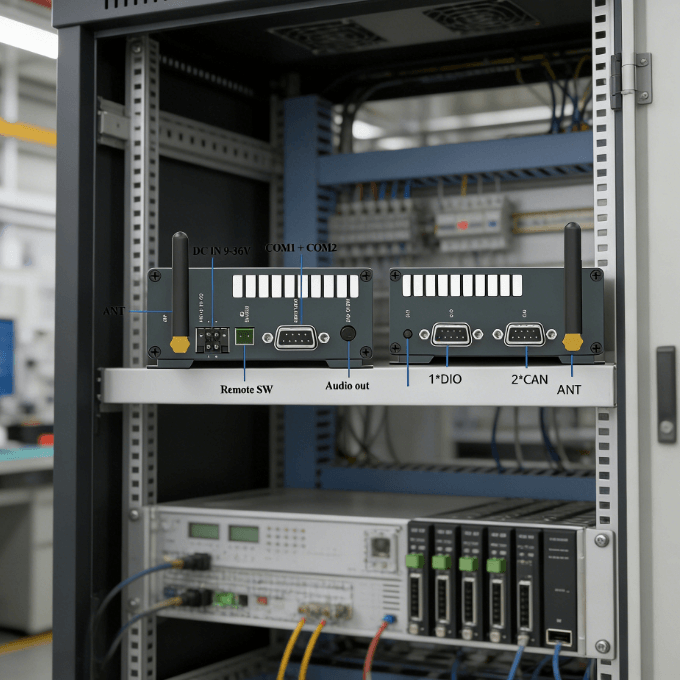
If you require a device that combines high-speed processing with extensive I/O, the Industrial Intelligent Controller Model SIE2000K4 is an excellent candidate. It features an ARM Cortex processor and supports 4G LTE for stable remote connections. This model provides the ruggedness needed for industrial sites while offering the software flexibility of a programmable controller. It fits perfectly into projects where edge computing and high-purity data are required.
Summary
In summary, the best iot gateway industrial for your project must offer rugged hardware and edge computing power. It should support various industrial protocols like Modbus and MQTT to ensure machine compatibility. By prioritizing security and remote management, you can build a scalable and reliable IoT network. Selecting the right industrial iot gateway is the foundation of your digital transformation journey.
FAQ
1. What is the difference between a consumer gateway and an iot gateway industrial?
An iot gateway industrial is designed for extreme environments and has a higher MTBF (Mean Time Between Failures). It supports industrial protocols like RS485 and Modbus, which are rare in consumer products. These devices also feature more robust security and remote management tools.
2. Can an industrial iot gateway operate without an internet connection?
Yes, a high-quality industrial iot gateway with edge computing can process data locally. It can store data and trigger local actions even when the cloud connection is lost. Once the connection is restored, it can synchronize the stored data with the server.
3. How many sensors can a single industrial iot gateway support?
The number of sensors depends on the communication protocol and the gateway’s processing power. A typical iot industrial gateway using RS485 can support up to 32 devices per port. With Ethernet and WiFi, it can potentially manage hundreds of nodes.
4. Why is Python programming important for an industrial gateway iot?
Python allows engineers to write custom scripts for data processing and filtering. This makes the gateway iot industrial more than just a data pipe. You can perform complex calculations and local decision-making without needing a separate computer.
5. What security protocols are essential for an industry iot gateway?
Essential security includes VPN support (OpenVPN, IPsec), firewalling, and encrypted data transmission (SSL/TLS). Additionally, the industry iot gateway should have password protection and support for secure remote updates. These layers prevent data breaches and unauthorized control of industrial equipment.
Reference Sources
Research on Edge Computing Architecture for Industrial IoT Gateways
Guidelines on Securing the Internet of Things (IoT) in Industrial Environments