
Is Your Gateway Ready for High Performance?

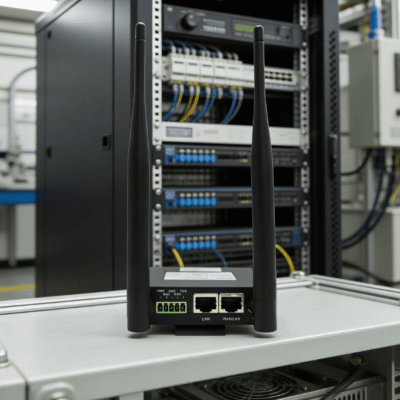
A High Performance Gateway is no longer a luxury for industrial environments. It is a fundamental necessity for stable operations. Determining if your gateway is ready involves checking its ability to handle massive data throughput. Most standard routers fail when managing hundreds of connected sensors simultaneously.
A gateway is truly ready when it integrates industrial-grade hardware with advanced software protocols. This hardware must support high-speed 4G connectivity to ensure uninterrupted data flow. It must also feature low-latency processing to handle real-time decision-making. If your current equipment frequently drops connections, it is time for an upgrade.
In the following sections, we will explore the technical benchmarks of a high-performance system. We will focus on how an Industrial IoT Router maintains 99.99% uptime. You will learn the specific hardware requirements for a 4G high performance router for smart city infrastructure. These insights will help you evaluate your current network health.
What Defines a High Performance Gateway?
A High Performance Gateway serves as the central nervous system of an industrial network. It must do more than just relay data packets. It acts as a security firewall, a protocol converter, and a high-speed data processor. Without these capabilities, the gateway becomes a bottleneck for the entire operation.
Processing Power and Memory
Industrial environments generate millions of data points every hour. A High Performance Gateway requires a powerful CPU to encrypt and route this information. Sufficient RAM is also critical for maintaining multiple VPN tunnels without slowing down. High-end models often feature dedicated hardware watchdogs to prevent system freezes.
Multi-Network Compatibility (4G/LTE)
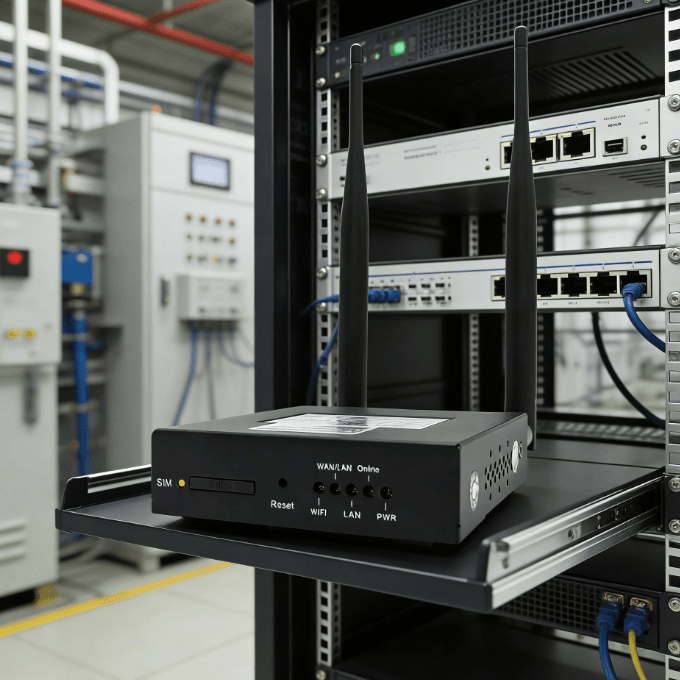
Reliability depends on the ability to switch between different network types. A high-performance unit should support 4G LTE, Wi-Fi, and Ethernet simultaneously. This redundancy ensures that if one path fails, the data finds another route. Dual-SIM slots are common in professional Industrial Wireless Router designs to provide carrier-level failover.
The Role of an Industrial IoT Router in Smart Cities
Smart city infrastructure demands a specific type of connectivity. Traffic lights, environmental sensors, and public Wi-Fi all rely on a 4G high performance router for smart city infrastructure. These devices must operate in harsh outdoor conditions while providing high bandwidth. They are the backbone of modern urban management.
Smart City Infrastructure Support
Infrastructure projects require long-distance wireless coverage and robust signal penetration. A 4G high performance router for smart city infrastructure utilizes high-gain antennas to achieve this. These routers manage data from thousands of streetlights and water meters. They ensure that city managers receive accurate, real-time reports on urban health.
Latency and Data Throughput
High-performance devices must maintain low latency, typically below 50 milliseconds. This speed is essential for applications like autonomous buses or emergency response systems. An Industrial IoT Router optimized for throughput can handle high-definition video feeds. This allows for real-time surveillance and traffic monitoring across the city.
Key Standards for an Industrial Wireless Router
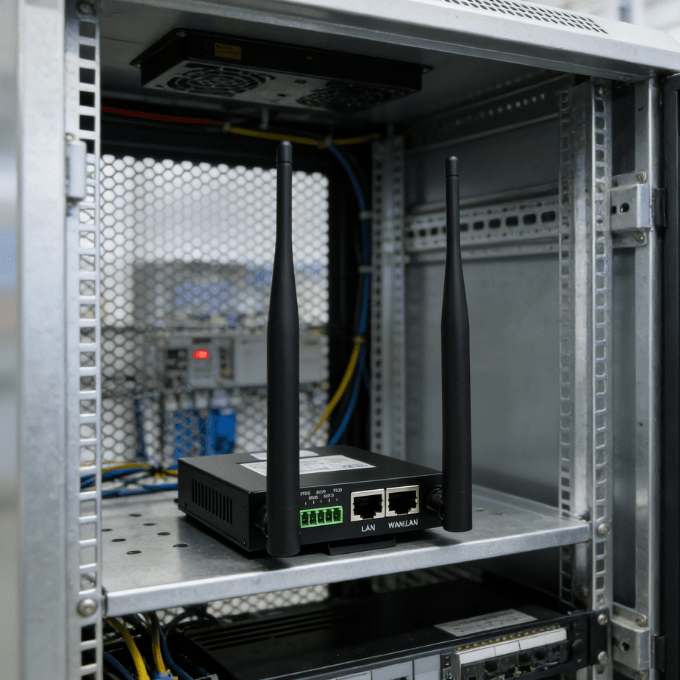
Not all routers are built for the rigors of a factory floor. An Industrial Wireless Router must meet specific international certifications for vibration and shock. It must also operate in temperatures ranging from -40°C to +85°C. These standards ensure that the device remains functional in extreme weather or heavy machinery zones.
The build quality is usually defined by an aluminum or steel chassis. This metal housing provides superior heat dissipation compared to plastic consumer models. It also offers electromagnetic interference (EMI) shielding to prevent data corruption. Most professional Industrial Router units carry IP30 or higher ratings for dust protection.
- Industrial Temperature Range: Operates consistently from -40°C to 85°C.
- Advanced Security Protocols: Supports IPsec, OpenVPN, and L2TP for encrypted data.
- Redundant Connectivity: Features dual-SIM failover and wired-to-wireless backup.
- Hardware Reliability: Includes a hardware watchdog to ensure 24/7 system uptime.
- Wide Voltage Input: Accepts power from 9V to 36V DC for various environments.
- DIN-Rail Mounting: Designed for easy installation in standard industrial cabinets.
Choosing the Right Industrial Router for Remote Assets
When managing remote assets, the cost of a site visit is high. Therefore, your Industrial Router must offer advanced remote management capabilities. You should be able to update firmware and change settings from a central office. This remote access reduces maintenance costs and improves system response times.
Reliability is the most important factor when choosing an Industrial Wireless Router. You should verify that the manufacturer provides a robust cloud management platform. This platform should offer real-time alerts if a device goes offline. Predictive maintenance starts with having a gateway that reports its own health.
Finally, consider the scalability of the solution. A high-performance system should easily integrate with future 5G or AI-driven technologies. It should have enough ports to expand as your IoT network grows. Choosing a future-proof Industrial Router saves significant capital expenditure in the long run.
How to Evaluate and Choose High-Performance Hardware
Selecting the right connectivity hardware is a critical decision for any project. You must judge a device based on its specific application requirements. For example, a router for a remote oil rig has different needs than one for a city bus. Always look for a balance between hardware durability and software flexibility.
The 4G High Performance Industrial-Grade Router is an excellent benchmark for these standards. It offers the high speed and reliability needed for complex smart city projects. When evaluating, check for features like RS232/RS485 ports for legacy equipment. This ensures that your modern gateway can still communicate with older industrial machines.
Furthermore, ensure the supplier provides local technical support. High-performance projects often encounter unique configuration challenges. Having a partner who understands the nuances of the Industrial IoT Router market is invaluable. A well-chosen gateway will serve as a stable foundation for years of technological growth.
Summary
In summary, a High Performance Gateway is essential for any modern smart city or industrial project. It provides the necessary speed, security, and durability to handle massive IoT data. By choosing a high-quality Industrial Router, you ensure long-term stability and reduce maintenance costs. Evaluate your hardware today to stay ahead of the digital transformation curve.
FAQ
1. What is the difference between a consumer router and an Industrial Router?
An Industrial Router is built with rugged metal housing to withstand extreme temperatures and vibration. Unlike consumer models, it supports industrial communication protocols and features advanced security tunnels. It also typically offers dual-SIM slots for cellular failover and longer lifespans.
2. Why is 4G better than Wi-Fi for smart city infrastructure?
4G LTE provides much wider coverage and better signal penetration through walls and buildings. A 4G high performance router for smart city infrastructure can connect to towers miles away. Wi-Fi is generally limited to short distances and is more prone to interference in urban environments.
3. Can an Industrial IoT Router handle legacy serial devices?
Yes, most high-performance models include RS232 and RS485 serial ports. This allows the router to collect data from older PLCs and sensors. It then converts this serial data into TCP/IP packets for transmission to the cloud.
4. How does a hardware watchdog improve reliability?
A hardware watchdog is a dedicated timer that monitors the router’s internal software. If the software crashes or hangs, the watchdog automatically resets the processor. This ensures the High Performance Gateway resumes operation without requiring a manual reboot.
5. What security protocols should I look for in an Industrial Wireless Router?
You should look for support for IPsec, OpenVPN, L2TP, and PPTP. Additionally, features like a built-in SPI firewall and MAC address filtering are essential. These protocols ensure that your industrial data remains private and secure from cyber threats.
Reference Sources
Research on High-Performance Gateway Architecture for Industrial IoT
LTE and 4G Standards for Industrial Wireless Communications
Security Guidelines for Industrial Control Systems (ICS)