
What is a Smart Grid Communication Network?

The global energy landscape is undergoing a massive digital transformation in 2026. Central to this evolution is the smart grid communication network, which serves as the nervous system of modern power systems. This network integrates advanced sensing and control technologies to bridge the gap between electricity providers and consumers.
Traditional grids relied on one-way flow for power distribution and manual monitoring. In contrast, the smart grid communication network enables a bidirectional flow of both electricity and information. This connectivity allows utilities to manage demand fluctuations in real-time. It also supports the seamless integration of renewable energy sources like wind and solar.
A robust communication infrastructure is essential for grid modernization. It ensures that data from smart meters reaches the utility control center without delay. Furthermore, it allows for automated fault detection and self-healing capabilities within the power distribution chain. By digitizing the grid, operators can significantly improve overall energy efficiency and reliability.
Why is the Smart Grid Communication Network Essential in 2026?
Modern power grids must handle complex loads and unpredictable renewable energy generation. A smart grid communication network provides the visibility required to maintain system stability under these conditions. Without reliable data transmission, utilities cannot respond quickly to sudden changes in voltage or frequency. This lack of visibility often leads to costly blackouts and equipment damage.
Improving Energy Efficiency and Reliability
Research indicates that smart grid implementations can reduce peak demand by up to 15% through automated response systems. This reduction lowers the need for expensive “peaker” plants that often rely on fossil fuels. Consequently, the smart grid communication network plays a vital role in global decarbonization efforts. It enables a more sustainable approach to energy consumption across industrial and residential sectors.
Additionally, the network enhances the security of the power supply. Advanced encryption and monitoring tools protect the grid from physical and cyber threats. Real-time data allows operators to isolate affected segments of the grid during an emergency. This rapid response minimizes the duration and impact of power outages for millions of end-users.
Digitalization also empowers consumers to make informed choices about their energy usage. Smart meters provide detailed insights into consumption patterns through the smart grid communication network. Users can then adjust their habits to take advantage of lower off-peak pricing. This synergy between the provider and the customer creates a more resilient energy ecosystem.
Supporting Renewable Energy Integration
The transition to green energy requires high-speed data exchange. In 2026, the smart grid communication network manages thousands of decentralized energy resources like rooftop solar panels. These resources must be synchronized perfectly to avoid destabilizing the local distribution lines. Communication networks provide the bandwidth needed for this complex coordination.
Furthermore, these networks facilitate the growth of electric vehicle (EV) charging infrastructure. Rapid charging stations demand significant power and must be managed to avoid local grid overloads. The smart grid communication network ensures that charging occurs when the grid has excess capacity. This intelligent management balances the load and reduces the need for expensive hardware upgrades.
Reliable data transmission also helps in predicting maintenance needs. Sensors attached to transformers and power lines transmit health data via the smart grid communication network. AI algorithms then analyze this data to identify potential failures before they occur. This predictive maintenance can reduce operational costs by nearly 25% for utility providers.
What Key Technologies Drive the Smart Grid Communication Network?
Building an effective smart grid communication network requires a blend of different transmission technologies. Each technology offers specific advantages based on the environment and the required data rate. Generally, these are categorized into wired and wireless solutions. Engineers must choose the right mix to ensure 99.999% network availability and low latency.
Wired Solutions: Fiber and PLC
Power Line Communication (PLC) is a widely used wired technology. It utilizes existing electrical cables to transmit data signals alongside the power flow. PLC is cost-effective because it does not require new infrastructure for data transmission. However, it can face interference issues from electrical noise generated by household appliances.
Fiber optic communication remains the gold standard for high-bandwidth requirements. It is often used in the core backbone of the smart grid communication network to connect substations. Fiber optics offer immunity to electromagnetic interference, which is common in high-voltage environments. While installation costs are higher, the speed and reliability are unmatched for critical grid operations.
In 2026, many utilities are upgrading their backbones to multi-gigabit fiber links. This expansion supports the massive influx of data from millions of IoT sensors. Fiber optics also provide a secure path for critical control signals. The implementation of fiber ensures that grid response times stay well below 10 milliseconds.
Wireless Solutions: 5G and LPWAN
Wireless technologies provide the flexibility needed for widespread device connectivity. Cellular networks, including LTE and 5G, are increasingly popular for connecting remote assets. These networks support high device density and low-latency communication. Low Power Wide Area Networks (LPWAN) are also used for simple sensor data transmission over long distances.
The emergence of 5G has revolutionized the smart grid communication network. With its high throughput, 5G can handle video surveillance at remote substations. It also supports network slicing, which prioritizes critical energy traffic over regular internet data. This prioritization is essential for maintaining grid stability during peak usage hours.
LPWAN technologies like LoRaWAN are perfect for monitoring assets in rural areas. These sensors require very little power and can run on batteries for years. They transmit small packets of data over distances up to 15 kilometers. This makes them ideal for monitoring water levels at hydro plants or soil conditions near underground cables.
| Technology Type | Key Advantage | Typical Application | Max Range |
| Fiber Optics | Ultra-high bandwidth | Substation backhaul | >100 km |
| PLC | Low infrastructure cost | Smart metering (AMI) | 1-3 km |
| 5G Cellular | Low latency (<10ms) | Distribution automation | Varies by cell |
| Zigbee/RF | Low power consumption | Home Area Networks | 10-100 m |
How Does Modern Hardware Ensure Network Resilience?
Reliability is the most critical metric for any smart grid communication network. Standard commercial networking equipment is often insufficient for the harsh environments found in power substations. These locations experience high levels of vibration, moisture, and extreme temperature fluctuations. Therefore, utilities must invest in industrial-grade hardware to ensure continuous operation in 2026.
The Role of Industrial Switching
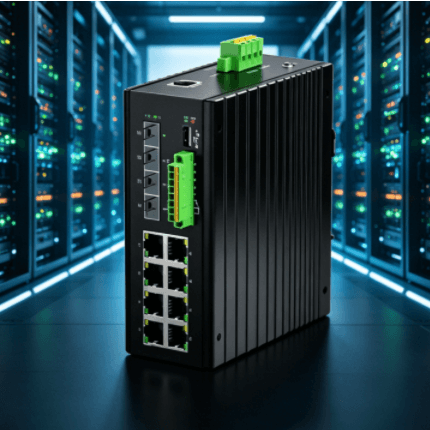
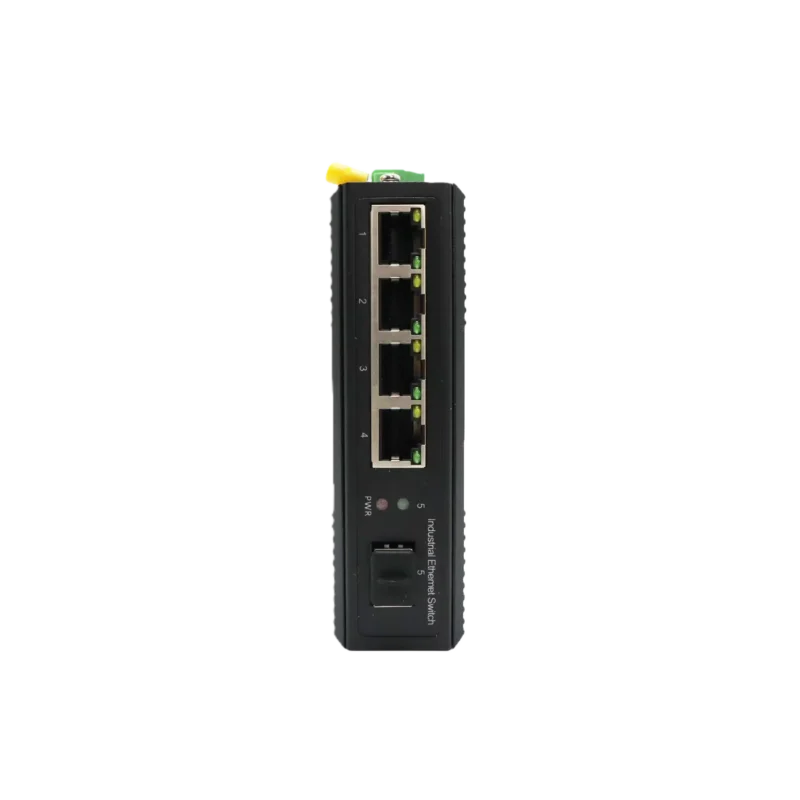
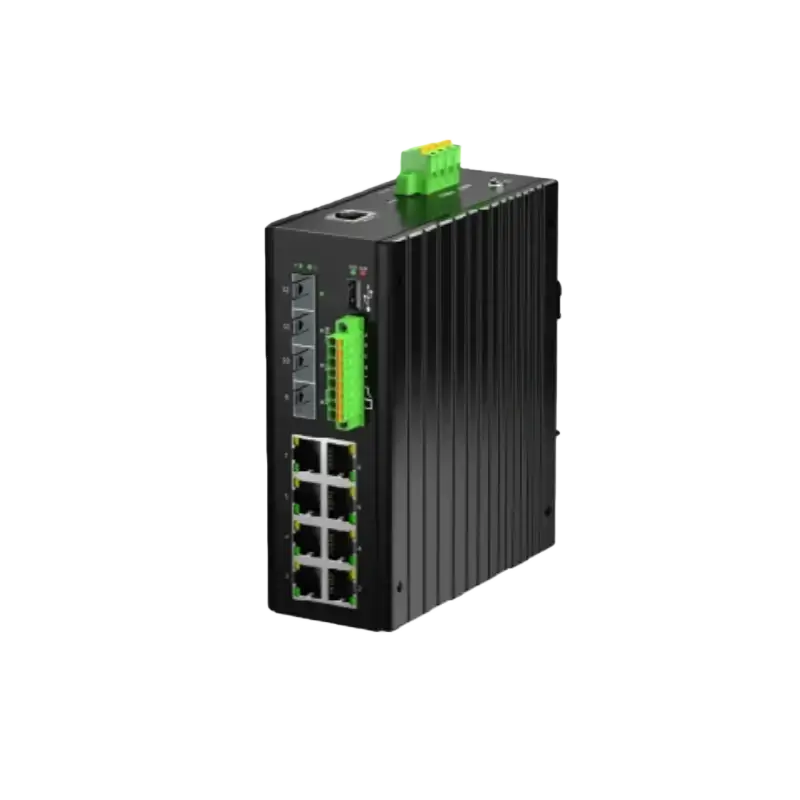
Substations require managed switches that support VLANs and advanced security features. Utilizing ruggedized industrial switches helps maintain data integrity across the network. These devices are designed to operate in temperatures ranging from -40°C to 85°C without failure. They also feature redundant power inputs to prevent shutdowns during localized power failures.
Managed switches allow network administrators to prioritize traffic using Quality of Service (QoS). This ensures that protective relaying signals are never delayed by lower-priority maintenance data. In 2026, industrial-grade hardware is the foundation of a resilient smart grid. Without these specialized components, the communication network would succumb to the electromagnetic noise inherent in power distribution.
Moreover, these switches often support the IEC 61850 protocol standard. This international standard ensures that devices from different manufacturers can communicate seamlessly. This interoperability is crucial for utilities that use a variety of legacy and modern equipment. Rugged switches also offer enhanced surge protection to survive lightning strikes on nearby power lines.
Edge Computing at the Grid Perimeter
The architecture of a smart grid communication network increasingly relies on processing data locally. By analyzing data at the edge, utilities can respond to faults in near real-time. High-performance 4G-5G edge computing gateways are ideal for these scenarios. They provide the necessary processing power to handle complex protocols while maintaining a stable wireless connection.
Edge gateways can filter out noise and only send relevant alerts to the central office. This significantly reduces the bandwidth required for the wide-area network. It also allows for localized decision-making, such as isolating a faulty transformer automatically. Edge computing is becoming a standard requirement for distribution automation in 2026.
Furthermore, these gateways support multiple communication interfaces, including RS485 and Ethernet. This allows them to connect to older industrial sensors while transmitting data over modern 5G networks. This bridge between the old and the new is vital for a cost-effective grid upgrade. Secure edge devices also prevent unauthorized access to the grid’s local control layer.
How to Choose the Right Hardware for Your Grid Network?
Selecting hardware for a smart grid communication network requires a deep understanding of environmental constraints. Decision-makers should first evaluate the “Ingress Protection” (IP) rating of the equipment. Devices used in outdoor cabinets should have at least an IP67 rating to protect against dust and water. This ensures that the hardware survives seasonal storms and high humidity.
Performance metrics like latency and throughput are equally important for 2026 operations. For mission-critical tasks like protective relaying, latency must stay below 20 milliseconds. In such cases, wired fiber connections or 5G solutions are the only viable options. For simpler tasks like meter reading, lower-speed technologies like NB-IoT may be more cost-effective.
Consider the power consumption of the communication devices themselves. Many remote sensors in a smart grid communication network operate on battery power or solar energy. Hardware with low-power modes can significantly extend the maintenance intervals for these remote sites. Additionally, look for devices that support “Power over Ethernet” (PoE) to simplify the wiring of cameras and sensors.
Security features should never be an afterthought in the selection process. Hardware should support hardware-based encryption and secure boot processes. This prevents unauthorized users from tampering with the device firmware. When evaluating vendors, check if their products comply with international cybersecurity standards for industrial control systems.
Finally, the ease of remote management is a major factor in operational costs. A smart grid communication network can consist of tens of thousands of individual nodes. Management software should allow for bulk configuration updates and remote troubleshooting. This reduces the need for expensive “truck rolls” to fix minor software issues in the field.
Summary
A smart grid communication network is the fundamental technology that transforms a static power grid into an intelligent system in 2026. It relies on a combination of fiber, cellular, and PLC to move data efficiently. By using high-quality industrial switches and 4G-5G edge computing gateways, utilities can ensure the reliability of the power supply.
FAQ
1. What is the main function of a smart grid communication network?
The main function is to enable two-way data transmission between utilities and consumers for real-time grid monitoring.
It ensures that the electricity supply matches demand while integrating renewable energy sources efficiently.
2. How does 5G impact the smart grid communication network in 2026?
5G provides the ultra-low latency and high device density required for real-time distribution automation.
It allows thousands of sensors to connect simultaneously without compromising the speed of critical safety signals.
3. What are the biggest challenges in grid communication today?
The biggest challenges include ensuring cybersecurity, maintaining interoperability, and managing communication in harsh environmental conditions.
Utilities must use ruggedized equipment to overcome physical reliability issues and potential cyber threats.
4. Why is edge computing important for smart grids?
Edge computing allows data to be processed at the local level rather than in a distant cloud server.
This reduces latency, which is vital for making split-second decisions during power surges or equipment failures.
Reference Sources
IEA (International Energy Agency) Digitalization and Energy Reports Official Website
U.S. Department of Energy (DOE) Grid Modernization Initiatives Official Website