
Industrial IoT Data Transmission Methods Guide

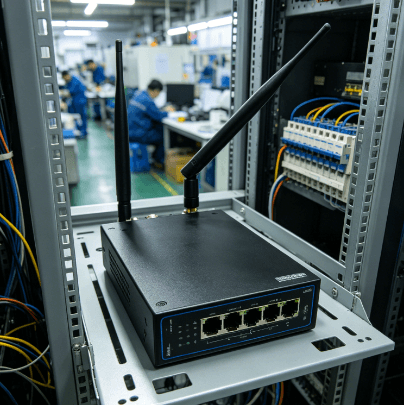
Industrial automation relies on the constant flow of information between devices. In 2026, the efficiency of these systems defines global manufacturing competitiveness. Choosing the right industrial iot data transmission methods is now a critical strategic decision. These methods determine how effectively a facility can monitor, control, and optimize its production.
Connectivity acts as the foundation for all digital transformation initiatives. Without a stable path for data, advanced analytics and artificial intelligence remain unreachable. Engineers must navigate a complex landscape of hardware and software standards today. This guide provides clarity on the technologies driving modern industrial networks.
Modern factories face harsher conditions than standard office environments. High temperatures, vibration, and electromagnetic interference are common daily challenges. Effective industrial iot data transmission methods must overcome these physical barriers consistently. Reliability ensures that critical signals arrive exactly when needed to prevent downtime.
What are the Most Reliable Industrial IoT Data Transmission Methods?
Reliability remains the top priority for any industrial network architecture. Industrial iot data transmission methods are broadly split into wired and wireless categories. Wired solutions like Industrial Ethernet continue to lead in mission-critical applications. These systems offer unmatched stability and predictable performance for high-speed machinery.
Industrial Ethernet protocols like PROFINET ensure data arrives with microsecond precision. This determinism is essential for synchronized motion control on production lines. In 2026, most facilities use fiber optics for long-distance data backbones. Fiber provides complete immunity to the electrical noise generated by heavy motors.
Wireless technologies have evolved to provide high levels of reliability as well. Private 5G networks offer dedicated bandwidth for mobile assets like autonomous vehicles. These systems use licensed spectrum to avoid the congestion found in public networks. They represent a significant shift in how mobile industrial iot data transmission methods are deployed.
| Transmission Method | Max Distance | Bandwidth | Typical Latency | 2026 Adoption Rate |
| Industrial Ethernet | 100 Meters | 10 Gbps | < 1 ms | 85% |
| Fiber Optics | 40 Kilometers | 100 Gbps | < 0.1 ms | 45% |
| Private 5G | 5 Kilometers | 20 Gbps | 1-5 ms | 30% |
| LPWAN (LoRa) | 15 Kilometers | 50 kbps | 1-2 Seconds | 60% |
Efficiency and Speed in Modern Industrial Networks
The speed of data movement directly impacts real-time decision-making capabilities. High-performance industrial iot data transmission methods allow for massive data collection. High-resolution cameras for quality inspection require gigabit speeds to function correctly. Low-latency connections enable robots to react instantly to changing environment conditions.
Bandwidth requirements continue to grow as digital twins become more common. These virtual models require a continuous stream of high-fidelity sensor data. Managing this volume requires robust infrastructure capable of handling bursty traffic. Most modern plants utilize a tiered approach to organize their data flow.
Edge computing has changed how we view transmission efficiency significantly. By processing data locally, the load on the primary network decreases. Only relevant insights or alerts are sent to the central cloud. This strategy optimizes the use of available industrial iot data transmission methods across the site.
The Role of Industrial Ethernet
Ethernet remains the dominant force in the wired connectivity market. It has adapted over decades to meet specialized industrial requirements for ruggedness. Modern cables feature shielding that protects signals from massive electrical surges. This physical protection is vital for maintaining data integrity in welding shops.
Standardization allows different brands of equipment to communicate seamlessly together. Most industrial iot data transmission methods based on Ethernet support standard internet protocols. This compatibility simplifies the integration of factory floors with corporate IT systems. It creates a unified architecture from the sensor to the boardroom.
Wireless Solutions for Mobile Assets
Wireless connectivity provides the flexibility needed for dynamic factory layouts. Automated Guided Vehicles (AGVs) rely on constant signals to navigate safely. In 2026, Wi-Fi 6E and Wi-Fi 7 provide reliable local coverage for handheld tools. These standards offer improved multi-user performance in high-density device environments.
Long-range sensors benefit from Low-Power Wide-Area Networks like LoRaWAN or Sigfox. These industrial iot data transmission methods prioritize battery life over data speed. They are perfect for monitoring tank levels or environmental conditions in remote areas. A single gateway can support thousands of low-power nodes simultaneously.
Comparing Wired and Wireless Industrial IoT Data Transmission Methods
A direct comparison reveals that no single method fits every scenario. Wired connections offer the highest security and lowest latency for fixed equipment. They are difficult to jam or intercept without physical access to the cables. For fixed production cells, wired industrial iot data transmission methods remain the preferred choice.
Wireless methods excel in scalability and rapid deployment situations. Installing new cables in a functioning plant is often expensive and disruptive. Wireless gateways allow for the quick addition of sensors without stopping production. This agility is a key driver for the adoption of wireless technologies.
Hybrid networks are becoming the standard for sophisticated manufacturing operations in 2026. These networks utilize the strengths of both wired and wireless architectures. A wired core handles the heavy data traffic between control rooms and machines. Wireless extensions connect the mobile workforce and distributed sensor arrays efficiently.
Environmental Challenges and Signal Integrity
Industrial environments are notoriously hostile to sensitive electronic signals. Metal structures reflect wireless waves, creating complex interference patterns or dead zones. Wired systems face physical stress from constant machine movement or vibrations. Specialized hardware is required to maintain industrial iot data transmission methods under these conditions.
Ruggedized connectors prevent moisture and dust from entering the communication ports. Vibration-resistant mounting ensures that network nodes remain connected during heavy operation. Without these protections, even the fastest transmission method will fail eventually. Hardware durability is just as important as software protocol efficiency.
Security Protocols in Data Transmission
Security is the most significant concern for modern connected industries. Every data transmission path represents a potential entry point for cyber threats. In 2026, end-to-end encryption is mandatory for all industrial iot data transmission methods. Advanced standards like TLS 1.3 protect data as it moves through the network.
Network segmentation limits the spread of potential infections between different zones. It ensures that a compromised sensor cannot affect the main control system. Robust authentication processes verify that only authorized devices can join the industrial network. Security must be built into the transmission layer, not added as an afterthought.
Key Factors in Selecting Connectivity Infrastructure
Selecting the right hardware is essential for implementing stable industrial iot data transmission methods. The choice depends on the specific layout and environmental stressors of your facility. You must evaluate whether your network requires a fixed backbone or mobile flexibility. Most successful deployments start with a comprehensive site survey to identify needs.
For wired infrastructures, the quality of the networking hardware is paramount. You should look for industrial grade switches that offer high port density and redundancy features. These devices provide the necessary switching capacity to handle thousands of data packets per second. They also include specialized software for managing industrial traffic priorities effectively.
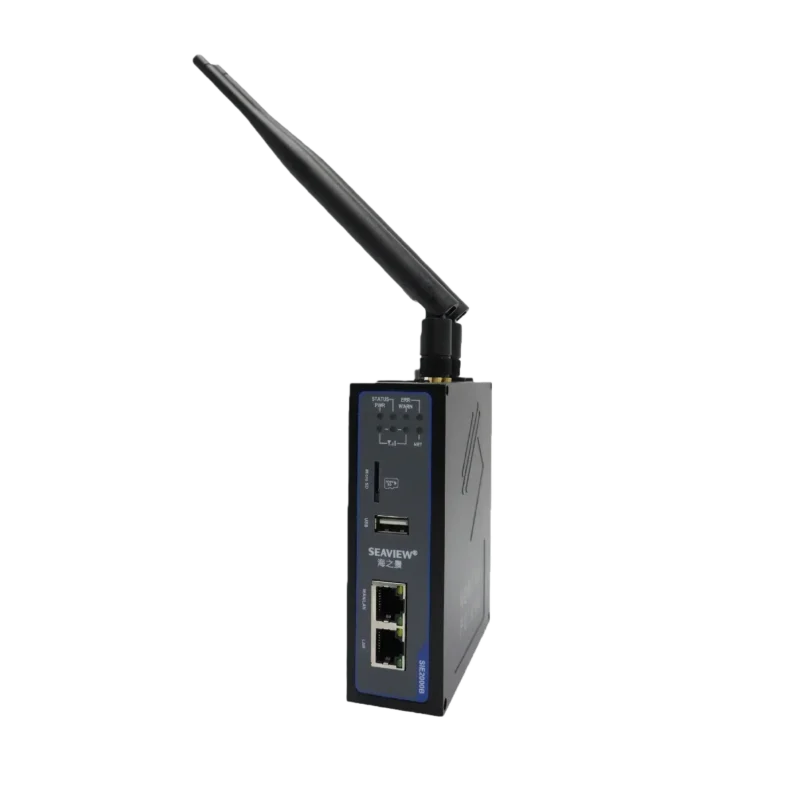
When dealing with remote sites or mobile equipment, wireless hardware becomes the focus. Utilizing 4G/5G industrial routers allows for reliable long-range connectivity over cellular networks. These routers often feature dual-SIM capabilities to ensure a backup connection is always available. They act as secure gateways, bridging the gap between local sensors and global management platforms.
Choosing hardware with a wide operating temperature range is vital for longevity. Standard office equipment often fails when exposed to the heat of a factory floor. Industrial-grade components are designed to dissipate heat without relying on fragile cooling fans. This design choice reduces maintenance needs and extends the life of the network.
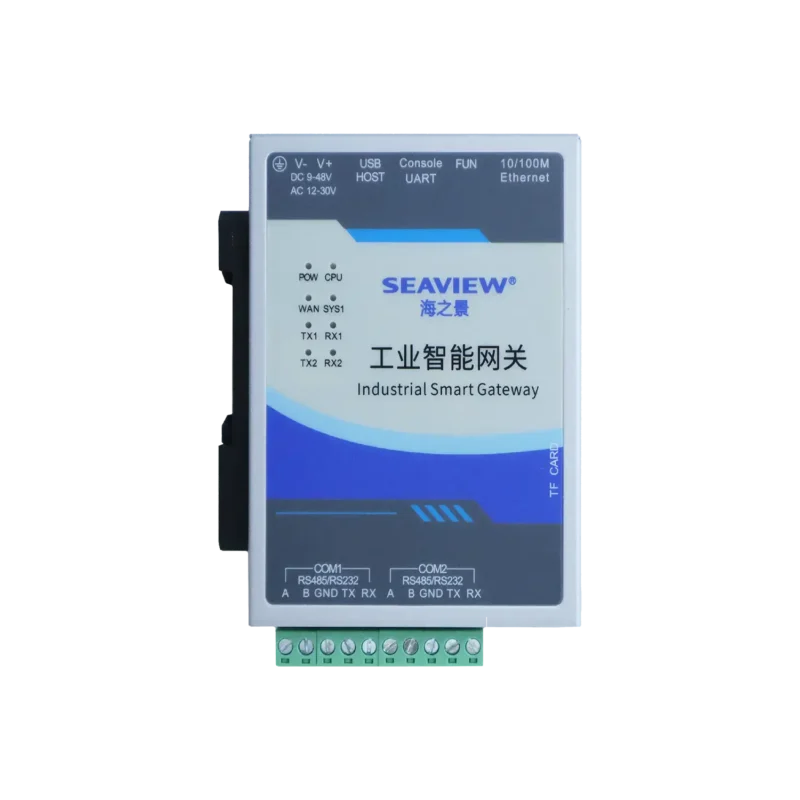
Compatibility with existing protocols is another major decision factor for engineers. Your chosen switches and routers must support the specific languages your machines speak. Modern hardware often includes protocol conversion features to help different systems talk to each other. This integration capability reduces the need for expensive third-party translation modules.
Finally, consider the ease of remote management for your networking fleet. Tools that allow for bulk configuration and firmware updates save hundreds of labor hours. In 2026, many systems include automated diagnostic tools to identify cable breaks or signal interference. Investing in manageable hardware ensures your industrial iot data transmission methods remain healthy and efficient.
Summary
The selection of industrial iot data transmission methods determines the future scalability of any smart factory. Wired Ethernet provides the essential stability for machine control, while wireless 5G and LPWAN offer needed mobility. By combining high-quality industrial switches and routers, companies can build a resilient, secure, and high-performance data ecosystem.
FAQ
1. Which industrial IoT data transmission method is the fastest?
Industrial Ethernet and Fiber Optics are currently the fastest methods available for industrial use. In 2026, fiber backbones can reach speeds exceeding 100 Gbps for large-scale data transfers. These speeds are necessary for high-definition video processing and complex digital twin simulations.
2. Is 5G more reliable than Wi-Fi for industrial use?
5G is generally more reliable than Wi-Fi in high-density environments due to its use of licensed spectrum. It provides better support for mobile devices and offers more consistent latency for critical applications. However, Wi-Fi 7 remains a cost-effective solution for less demanding local area connections.
3. How do I protect industrial data from interference?
Protecting data involves using shielded cables for wired connections and proper frequency planning for wireless systems. Utilizing fiber optics is the most effective way to eliminate electromagnetic interference completely. For wireless nodes, selecting hardware with advanced filtering capabilities can also reduce signal noise.
4. What is the benefit of LPWAN in industrial settings?
LPWAN technologies like LoRaWAN offer extreme battery efficiency and long-range coverage for simple sensors. They can transmit data over several kilometers while allowing sensors to run for years on a single charge. This makes them ideal for monitoring infrastructure in vast or hard-to-reach locations.
5. Why should I use industrial-grade routers instead of consumer ones?
Industrial-grade routers are built to withstand extreme temperatures, vibrations, and electrical surges common in factories. They include specialized security features and support industrial protocols that consumer hardware cannot handle. This ruggedization ensures continuous uptime, which is vital for maintaining production schedules.