
Industrial Device Connectivity Solutions Explained

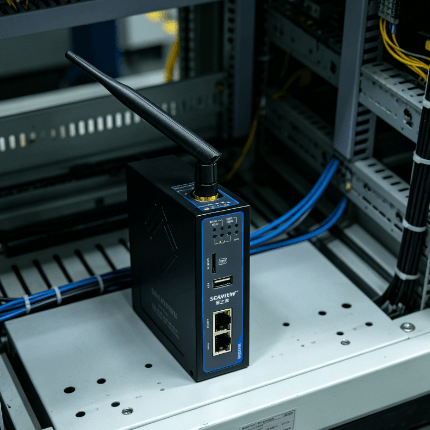
Modern manufacturing relies heavily on the seamless flow of data across the factory floor. Machines must communicate with each other and central management systems to ensure peak performance. Implementing a reliable industrial device connectivity solution is now a fundamental requirement for any competitive enterprise. These solutions bridge the gap between physical hardware and digital intelligence.
The transition to Industry 4.0 has introduced several complex technical obstacles for engineers. Legacy equipment often uses outdated protocols that are incompatible with modern cloud platforms. Physical environments in factories are frequently harsh, featuring extreme temperatures and electromagnetic interference. A robust industrial device connectivity solution addresses these specific environmental and technical hurdles effectively.
Achieving total visibility into production metrics requires more than just basic cables. It involves a strategic combination of hardware and software designed for high-stress environments. By integrating smart networking components, companies can transform raw data into actionable insights. This article explores the challenges of industrial networking and the technologies used to solve them in 2026.
What Are the Key Industrial Device Connectivity Challenges?
The primary driver for upgrading network infrastructure is the elimination of data silos. In many older facilities, machines operate in isolation, making it impossible to track overall equipment effectiveness. An industrial device connectivity solution allows these isolated units to share information in real-time. This connectivity is the backbone of predictive maintenance and automated resource planning.
Reducing operational downtime is another critical reason to prioritize advanced connectivity. Unplanned downtime can cost large industrial facilities thousands of dollars per minute. Reliable network hardware ensures that monitoring systems receive constant updates on machine health. This proactive approach prevents small technical glitches from escalating into major system failures.
Protocol Fragmentation and Interoperability
One of the most persistent challenges is the diversity of communication protocols. Different manufacturers often use proprietary languages for their controllers and sensors. An industrial device connectivity solution typically utilizes multi-protocol gateways to translate these languages. This allows a Modbus-based sensor to communicate seamlessly with an MQTT-based cloud platform.
Physical and Environmental Constraints
The physical layout of large industrial sites can also hinder stable communication. Long distances between workstations often lead to signal degradation and data loss. High-voltage machinery creates electromagnetic fields that disrupt standard copper wiring. Professional hardware is required to maintain signal integrity over extensive cable runs.
Data Security and Latency
High latency can disrupt time-sensitive operations in automated assembly lines. When data must travel to a distant server for processing, delays occur. These delays might cause safety systems to respond too late. Industrial operators also face increasing cyber threats from external actors targeting connected machines.
Implementing a Robust Industrial Device Connectivity Solution?
Global competition demands higher levels of efficiency and faster production cycles. Companies must be able to scale their operations quickly without rebuilding their entire infrastructure. A scalable industrial device connectivity solution provides the flexibility to add new sensors or machines easily. This adaptability ensures that the facility remains relevant as technology continues to evolve.
Data security has also become a top priority for industrial operators. As machines connect to the internet, they become potential targets for cyber threats. Modern connectivity solutions include built-in security features to protect sensitive operational data. Implementing these safeguards is necessary to maintain the integrity of the entire production process.
The Role of Industrial Switches in Network Reliability
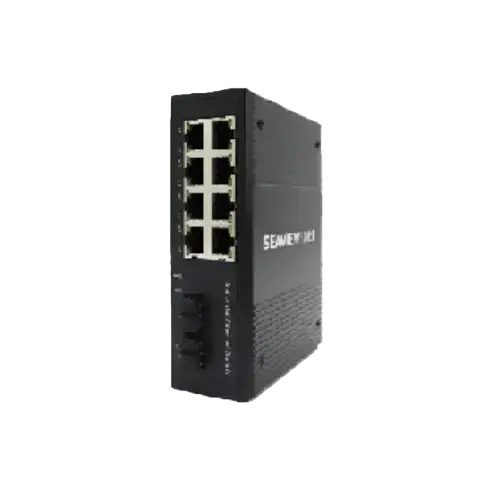
Industrial sites require hardware that can withstand vibration and dust. Standard commercial switches often fail under these rigorous conditions. Utilizing industrial grade switches ensures that the core network remains stable during heavy production. These devices feature redundant power inputs to prevent network outages during local electrical failures.
Effective traffic management is a key benefit of managed industrial networking gear. These switches allow administrators to segment the network using VLANs to isolate sensitive traffic. This prevents a broadcast storm in one section from crashing the entire plant network. Priority can be given to critical motion control data to ensure precision in robotics.
Leveraging Edge Computing for Real-Time Insights
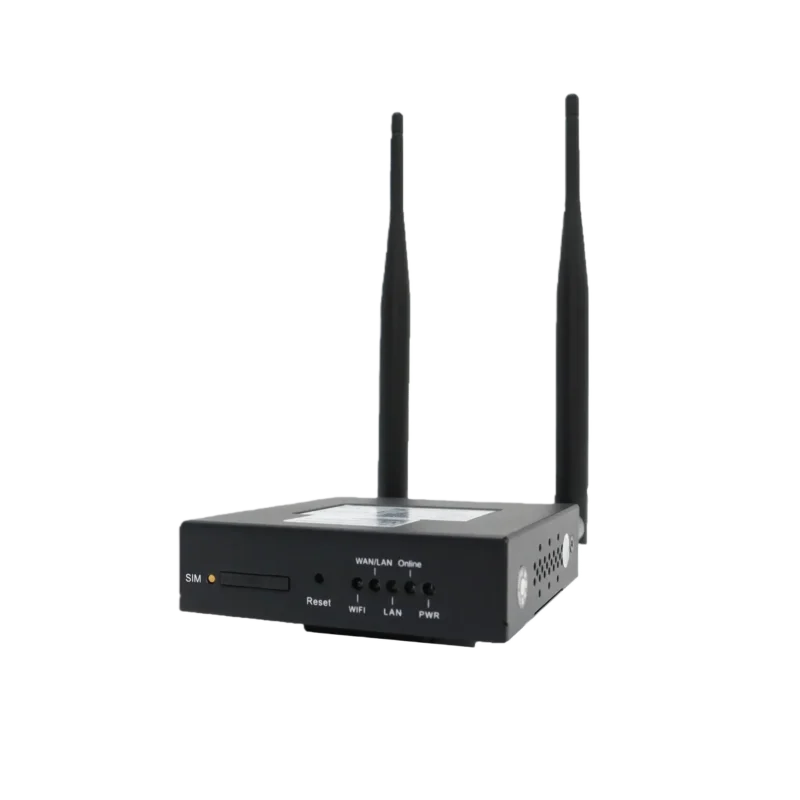
Processing data at the edge reduces the load on central servers and improves response times. Modern edge computing gateways can perform complex calculations right next to the machine. This allows for immediate local reactions to critical sensor triggers. Using these gateways also reduces the amount of bandwidth required for cloud communication.
These gateways often support high-speed cellular connections like 4G and 5G. This is particularly useful for remote monitoring in areas where laying fiber optic cables is too expensive. Cellular backhaul provides a reliable failover option if the primary wired connection is interrupted. Modern industrial device connectivity solution frameworks rely on this hybrid approach for maximum uptime.
Comparing Networking Hardware Performance
| Feature | Industrial Gateways | Industrial Switches |
| Primary Function | Protocol translation and data processing | Data distribution and network expansion |
| Connectivity | 4G, 5G, RS232, RS485, DI/DO | Ethernet, Fiber Optic, PoE |
| Intelligence | Edge computing and cloud integration | Traffic management and VLAN support |
| Durability | Ruggedized for extreme temperatures | Vibration and shock resistance |
Technical Requirements and Performance Metrics for Connectivity
Performance in industrial settings is measured by reliability and environmental resistance. Standard commercial networking gear often fails when exposed to temperatures exceeding 40 degrees Celsius. A professional industrial device connectivity solution requires hardware rated for -40 to +75 degrees Celsius. This ensures the network remains functional even in unconditioned environments like oil fields.
Power stability is another factor that distinguishes industrial equipment from consumer-grade alternatives. Industrial sites often experience voltage fluctuations or power surges. High-quality networking devices feature redundant power inputs to prevent single points of failure. These solutions also prioritize low power consumption to reduce heat generation within control cabinets.
Research indicates that the global industrial IoT market is growing at a significant rate in 2026. By the end of this year, it is estimated that over 35 billion devices will be connected worldwide. Statistics show that companies implementing smart connectivity reduce maintenance costs by up to 30%. Furthermore, digital integration can improve overall production throughput by nearly 20% on average.
Reliability is often quantified by Mean Time Between Failures (MTBF). Top-tier industrial networking hardware often boasts MTBF ratings of over 500,000 hours. This longevity is essential for critical infrastructure where replacement costs are high. Choosing an industrial device connectivity solution with high MTBF minimizes long-term operational expenses.
How to Select the Right Industrial Device Connectivity Solution?
Choosing the right hardware depends heavily on the specific requirements of your facility. You should first evaluate the types of physical interfaces your existing machines use. Many legacy devices rely on serial ports like RS232 or RS485 for communication. A versatile industrial device connectivity solution must include gateways that support these legacy interfaces.
Assess whether your application requires local intelligence or simple data forwarding. If you need to filter data before it reaches the cloud, look for edge computing capabilities. Advanced 4G-5G edge computing gateways are ideal for reducing bandwidth costs and improving response times. These units can run localized scripts to handle alarms and basic automation tasks.
The network topology of your plant will determine the type of switches you need. Unmanaged switches are suitable for simple, small-scale connections where plug-and-play functionality is preferred. However, larger networks benefit from industrial switches with management features like QoS. These tools allow administrators to prioritize critical traffic and improve overall network security.
Finally, consider the future scalability of your chosen technology for 2026 and beyond. Ensure that the solution can handle increased data loads as you add more sensors. It is wise to select hardware that supports modern cellular standards like 5G for high-speed wireless backhaul. Every industrial device connectivity solution should be viewed as a long-term investment in your facility’s digital future.
Summary
Implementing an effective industrial device connectivity solution is vital for modernizing manufacturing operations and ensuring data integrity. By combining rugged industrial switches with intelligent edge computing gateways, businesses can overcome protocol barriers and harsh environments. This integrated approach ultimately leads to increased operational efficiency, reduced downtime, and enhanced global competitiveness in 2026.
FAQ
1. What is the difference between a standard switch and an industrial switch?
Industrial switches are designed with rugged housings and wide temperature tolerances to survive factory environments. Unlike standard office switches, they often feature DIN-rail mounting and redundant power inputs for maximum reliability. They also include better protection against electromagnetic interference.
2. How does an industrial device connectivity solution improve security?
A professional industrial device connectivity solution uses encrypted protocols, firewalls, and secure VPN tunnels to protect assets. These features prevent unauthorized access to the local machine network from external internet connections. They also provide detailed logs for auditing and compliance purposes.
3. Can I connect old machines to a modern cloud system?
Yes, you can use specialized gateways that translate legacy serial data into modern protocols like MQTT. This allows older equipment to participate in advanced data analytics and remote monitoring programs. This process is often called retrofitting for digital transformation.
4. Why is edge computing important in industrial networking?
Edge computing allows for data processing right at the source, which significantly reduces network latency. This is crucial for applications that require immediate feedback or localized control without relying on a cloud connection. It also saves costs by reducing the amount of data sent to the cloud.
5. What role does 5G play in industrial connectivity in 2026?
5G provides high-bandwidth, low-latency wireless connections that are ideal for moving large amounts of sensor data. It enables the use of mobile robotics and high-definition video inspection in areas where wiring is difficult. This technology supports a higher density of connected devices per square meter.
Reference Sources
IEEE (Institute of Electrical and Electronics Engineers) – Industrial Communication Networks Standard
Industry IoT Consortium (IIC) – Connectivity Framework for Industrial Systems
International Society of Automation (ISA) – Standards for Industrial Automation and Control