
How Industrial Data Acquisition IoT Works

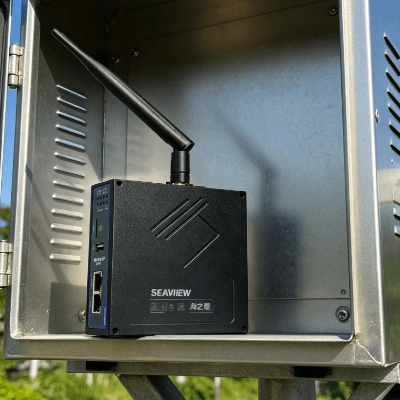
Modern manufacturing relies on precise information to maintain high efficiency and safety. Industrial data acquisition iot acts as the central nervous system of a smart factory. It bridges the gap between physical machine performance and digital analytical platforms. This technology captures raw physical signals and converts them into digital data streams. Engineers use these streams to monitor equipment health and optimize production cycles. The system ensures that every motor, valve, and sensor communicates effectively.
The primary function of industrial data acquisition iot involves continuous monitoring of critical parameters. These parameters include temperature, pressure, vibration, and energy consumption. High-speed data collection allows operators to detect anomalies before they cause failures. This proactive approach significantly reduces unplanned downtime in heavy industries. Modern systems are designed to operate in extreme conditions without losing connectivity. Reliability remains the top priority for any industrial digital transformation project.
By the start of 2026, the adoption of these systems has reached unprecedented levels. Industry reports suggest that over 80% of global manufacturers now utilize some form of digital monitoring. This shift is driven by the need for better resource management and sustainability. Companies integrating these technologies often see a 20% increase in overall equipment effectiveness. Understanding the underlying architecture is the first step toward successful implementation. The following sections will explore the components and processes that drive this evolution.
What is the Architecture of Industrial Data Acquisition IoT?
The architecture of industrial data acquisition iot follows a multi-layered structure for maximum efficiency. This design ensures that data moves smoothly from the factory floor to the management office. The perception layer is the bottom level where hardware interacts with the machinery. It consists of sensors that detect physical changes and output electrical signals. This layer provides the raw input required for any meaningful analysis.
Above the perception layer sits the network layer, which handles data transmission and routing. This layer utilizes various communication technologies like Wi-Fi, Ethernet, and cellular networks. Reliable hardware is essential here to prevent signal interference in noisy factory environments. Data must be packaged correctly to ensure it reaches its destination without errors. The network layer often bridges the gap between legacy machines and modern IT systems. It provides the connectivity backbone for the entire facility.
The top level is the application and analysis layer. This is where software transforms digital signals into visual dashboards and reports. Operators use this information to make informed decisions about maintenance and scheduling. Cloud platforms or local servers process the data to identify long-term patterns. This layer allows for the integration of artificial intelligence and machine learning tools. These tools help predict future trends based on historical performance data.
Key Hardware Components for Connectivity
The Role of Industrial Wireless Data Terminals (DTU)
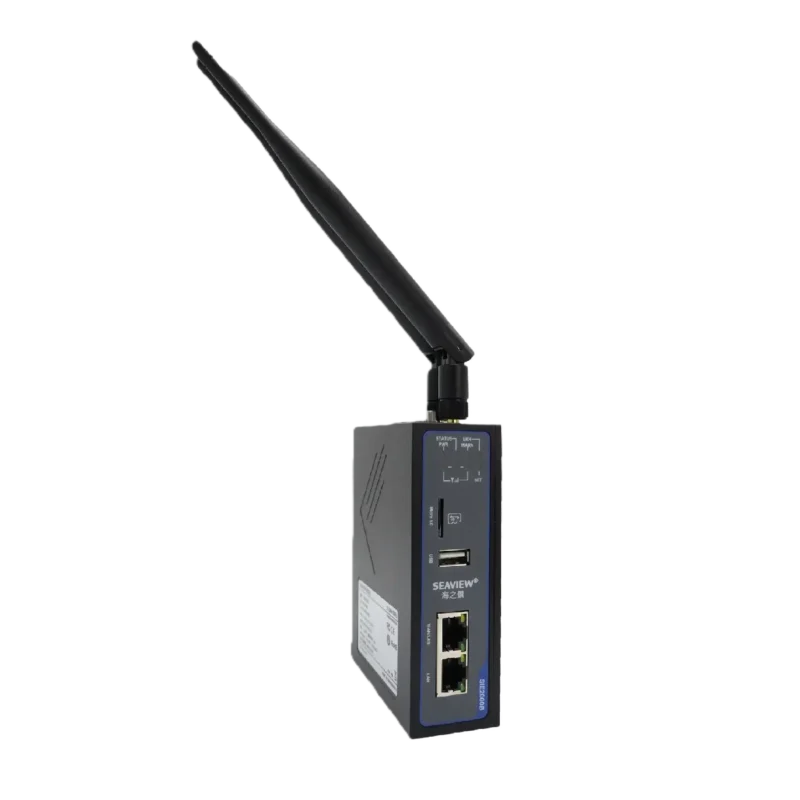
Specialized hardware is required to maintain stable connections over long distances. Many facilities utilize industrial wireless data terminals (DTU) to transmit serial data over cellular networks. These devices are particularly useful for remote equipment monitoring in sectors like oil and gas. They offer transparent transmission, meaning the data remains unchanged during the moving process. This simplifies the integration of older PLCs into a modern wireless ecosystem.
The durability of these terminals is a major factor in their selection for industrial sites. They are built to withstand high electromagnetic interference and extreme temperature fluctuations. Most units support wide voltage inputs to accommodate various power sources found on-site. They provide a cost-effective way to connect dispersed assets without expensive cabling. By 2026, the use of 5G-enabled terminals has become a standard for low-latency requirements. These devices ensure that critical alerts reach the supervisor instantly.
Understanding 4G/5G Edge Computing Gateways
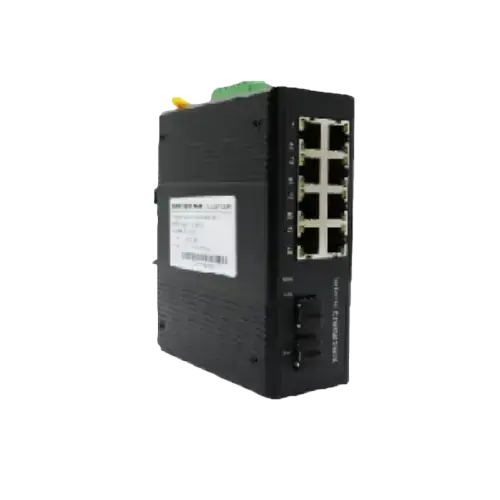
For more complex data tasks, factories deploy 4G/5G edge computing gateways to handle local processing. These gateways do more than just transmit data; they analyze it at the source. This reduces the amount of information that needs to be sent to the cloud. Local processing is vital for applications requiring immediate response times, such as safety shutdowns. Gateways also support multiple industrial protocols, allowing different machines to talk to each other.
These devices act as a secure barrier between the factory network and the public internet. They often include built-in firewalls and encryption protocols to protect sensitive production data. The ability to run local scripts allows for customized logic at the edge. This means the gateway can filter out noise and only upload significant events. Modern gateways are designed for easy mounting on DIN rails within existing control cabinets. They represent the intelligence core of the industrial data acquisition iot system.
| Feature | Industrial Wireless DTU | 4G/5G Edge Gateway |
| Primary Task | Transparent serial data transfer | Protocol conversion & processing |
| Connectivity | Cellular (LTE/NB-IoT) | High-speed 5G, WAN/LAN, Wi-Fi |
| Computing | Low (Focus on data flow) | High (Supports local applications) |
| Security | Basic VPN and APN support | Advanced Firewall, TLS, VPN |
| Best For | Remote sensors, simple monitoring | Smart factories, complex automation |
How to Optimize Data Transmission and Security?
Optimizing the flow of information is critical for the success of industrial data acquisition iot. High-frequency data collection can quickly overwhelm a standard office network. Therefore, engineers use specialized protocols like MQTT or Modbus to manage the traffic. MQTT is particularly popular due to its low overhead and publish-subscribe model. It allows thousands of sensors to share data without clogging the bandwidth. Efficient data management ensures that the system remains responsive even during peak loads.
Transmission speed is another factor that impacts the effectiveness of the system. In 2026, the integration of 5G technology has reduced network latency to below 10 milliseconds. This speed is necessary for high-precision motion control and robotic synchronization. If the connection is slow, the data may be irrelevant by the time it arrives. Real-time acquisition requires a perfect balance between hardware speed and software efficiency. Fast transmission allows for immediate visual feedback on the production floor.
Security remains the most significant challenge in the world of industrial connectivity. Every connected device is a potential entry point for unauthorized access. To mitigate this, developers implement end-to-end encryption for all data packets. Secure boot processes ensure that only verified software runs on the terminals and gateways. Regular firmware updates are necessary to patch vulnerabilities and improve performance. A secure system protects both the physical assets and the intellectual property of the company.
Implementation Strategies for Smart Factories
Successfully deploying industrial data acquisition iot requires a clear strategic roadmap. The first step is to identify the most critical assets that require monitoring. Focusing on high-value machinery provides the fastest return on investment. Engineers must then select the appropriate sensors for the specific environment. For example, high-temperature sensors are needed for furnaces, while moisture sensors are for food processing. Proper sensor selection ensures the accuracy of the collected data.
The next step involves choosing the right connectivity hardware to bridge the gap. You must decide between simple transmission devices or more advanced computing units. Factors like distance, data volume, and local power availability will influence this choice. It is often beneficial to start with a pilot program on a single production line. This allows the team to troubleshoot issues before a full-scale rollout across the plant. Testing ensures that the hardware integrates well with existing software systems.
Finally, the focus shifts to data visualization and staff training. The collected information is only valuable if the workers know how to use it. Intuitive dashboards help operators understand complex trends at a glance. Training programs should cover how to respond to automated alerts and system notifications. Over time, the data can be used to refine operational procedures and reduce waste. Continuous improvement is a core benefit of a well-implemented acquisition system.
How to Choose the Right Device for Your Facility?
Choosing the ideal hardware for industrial data acquisition iot depends on your specific operational needs. If your goal is simply to collect data from remote water meters or weather stations, a DTU is often sufficient. These devices excel at sending small packets of data over long distances with minimal power consumption. They are easy to install and require very little configuration for basic tasks. Reliability in harsh outdoor environments makes them a preferred choice for utility companies.
For facilities that require real-time automation and machine learning, an edge gateway is essential. These devices provide the processing power needed to handle high-resolution video or complex vibration analysis. If you need to connect multiple machines using different protocols, the gateway acts as the universal translator. It allows a Modbus-based machine to communicate with a modern cloud database seamlessly. This flexibility is crucial for factories with a mix of old and new equipment.
Budget considerations also play a role in the hardware selection process. While gateways offer more features, they also come at a higher price point. It is important to calculate the total cost of ownership, including installation and maintenance. Sometimes, a hybrid approach using both DTUs and gateways provides the best balance. This allows you to monitor simple assets cheaply while investing in intelligence for critical systems. Selecting a reputable hardware provider ensures you receive long-term support and reliable components.
Summary
Industrial data acquisition iot enables factories to transform physical signals into valuable digital insights for better performance. By utilizing sensors, wireless terminals, and edge gateways, businesses can monitor operations in real-time. In 2026, this technology is essential for maintaining a competitive edge through improved efficiency and predictive maintenance. Selecting the right hardware architecture is the key to a successful digital transformation.
FAQ
1. What are the main benefits of using a DTU in industrial monitoring?
A DTU provides a reliable and cost-effective way to transmit serial data over long distances wirelessly. It is ideal for remote locations where installing cables is impossible or too expensive. These devices are rugged and designed to operate continuously in harsh industrial environments.
2. Why is edge computing becoming more common in industrial data acquisition iot?
Edge computing allows for data to be processed locally on the gateway rather than in the cloud. This reduces latency, saves bandwidth, and allows for immediate automated responses to critical events. It also increases security by keeping sensitive data within the local network.
3. How does 5G technology improve industrial data acquisition systems?
5G offers significantly higher speeds and lower latency compared to previous cellular generations. It supports a higher density of connected devices, which is necessary for modern smart factories. This technology enables real-time control of robotics and high-definition monitoring.
4. What should I consider when selecting a gateway for my factory?
You should evaluate the number of supported protocols, the processing power, and the security features. It is also important to check the physical durability and the operating temperature range. Ensure the gateway is compatible with your existing sensors and cloud management platforms.
Reference Sources
IEEE – The World’s Largest Technical Professional Organization
International Society of Automation (ISA)