
An Overview of Smart City Technology Solutions

The rapid expansion of global urban populations necessitates more intelligent ways to manage infrastructure. Smart city technology has emerged as the definitive solution for modernizing public services through digital integration. By leveraging a network of sensors and data analytics, municipalities can significantly enhance the efficiency of energy, transport, and safety systems.
Modern urban centers require a resilient digital backbone to handle the massive influx of real-time information. This transformation involves more than just installing software; it requires a physical layer of connected devices that communicate seamlessly. The ultimate objective is to create a responsive urban environment that adapts to the needs of its citizens in real time.
Implementing these solutions effectively depends on the quality of the underlying hardware and the speed of the network. High-performance communication systems ensure that data collected from the streets reaches decision-makers without delay. Understanding the specific components that drive this innovation is the first step toward building a sustainable future.
What are the core components of smart city technology?
A successful smart city operates through a structured architecture of sensors, connectivity, and analytical power. At the foundational level, the sensing layer consists of millions of Internet of Things (IoT) devices. These sensors monitor diverse metrics including traffic flow, air quality, and energy consumption across the electrical grid.
The transmission of this data occurs at the network layer, which requires high-speed and reliable communication protocols. Urban environments often deploy fiber optics and advanced wireless networks to ensure wide-scale coverage. Data gathered from the field is then moved to centralized platforms where it is processed using Artificial Intelligence and Machine Learning.
Finally, the application layer translates these insights into tangible public services, such as smart parking or automated waste management. According to industry research, the deployment of integrated data platforms can improve emergency response times by up to 35%. This structured approach ensures that every piece of information contributes to a safer and more efficient city.
| Component Category | Primary Function | Typical Examples |
| Sensing & IoT | Data collection from physical environment | Smart meters, CCTV, air quality sensors |
| Connectivity | High-speed data transmission | Fiber optics, 5G, network routers |
| Data Analytics | Processing and decision making | AI algorithms, cloud platforms, digital twins |
| Public Interface | Interaction with citizens | Mobile apps, smart kiosks, e-government portals |
How connectivity drives urban innovation and efficiency
The reliability of smart city technology is deeply tied to the quality of its networking infrastructure. Without constant and stable connections, even the most advanced sensors cannot provide value to the city. High-speed communication allows for the synchronization of traffic lights, reducing congestion by approximately 15% in major metropolitan areas.

Because urban hardware is often installed in outdoor or harsh environments, the durability of the network is a major concern. Standard consumer equipment often fails when exposed to extreme temperatures or high levels of electromagnetic interference. Therefore, utilizing hardware specifically designed for long-term reliability is essential for preventing system-wide outages.
Global investment in smart urban infrastructure is projected to reach hundreds of billions of dollars by the end of the decade. This funding is primarily directed toward creating a seamless web of communication that supports everything from public Wi-Fi to autonomous vehicle navigation. Robust connectivity remains the single most important factor in the successful scaling of smart initiatives.
Essential Criteria for Selecting Smart City Infrastructure
Determining the right hardware for durability
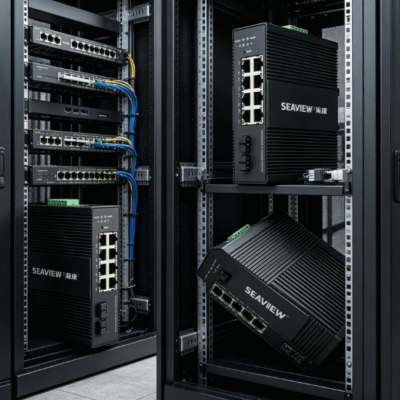
When selecting components for urban projects, engineers must prioritize equipment that can survive the rigors of industrial environments. In many cases, standard networking tools are replaced with industrial-grade switches to ensure that data flows stay uninterrupted during power surges or temperature spikes. These devices provide the high-density connectivity needed for surveillance and traffic monitoring systems.
Prioritizing long-term network scalability
Building a smart city is a multi-year process that requires infrastructure capable of growing with the population. Decision-makers should look for solutions that offer versatile digital connectivity to accommodate future technologies like 6G or advanced edge computing. Choosing modular systems allows cities to add new services without needing to overhaul their entire existing network.
Ensuring data security and integration
Compatibility between different software platforms and hardware brands is vital for preventing data silos. Open standards allow different city departments to share information, leading to more holistic management of urban resources. Additionally, every connected device must meet strict security protocols to protect the privacy and safety of the local community.

Summary
Smart city technology integrates IoT sensors, robust data networks, and advanced analytics to create more efficient and sustainable urban environments. By focusing on durable infrastructure and high-speed communication, cities can optimize resource management and improve public safety for all residents. These solutions provide the necessary framework for future-proofing metropolitan areas against the challenges of rapid urbanization.
FAQ
1. What is the primary purpose of implementing smart city technology?
The primary purpose is to use data-driven insights to improve the efficiency of city operations and enhance the quality of life for residents. This includes reducing resource waste and improving public services.
2. Why is specialized hardware needed for urban environments?
Urban environments subject equipment to dust, moisture, and extreme temperature changes, which can cause standard electronics to fail. Specialized hardware is built to maintain continuous operation under these challenging physical conditions.
3. How does smart city technology contribute to environmental sustainability?
It helps the environment by optimizing energy consumption through smart grids and reducing carbon emissions by managing traffic flow more effectively. Intelligent systems can also identify water leaks instantly to prevent resource loss.
4. What role does data analytics play in a smart city?
Data analytics converts raw information from sensors into actionable strategies, such as predicting when a bridge needs maintenance or adjusting public transit routes based on real-time demand.
Reference Sources
International Data Corporation (IDC) Worldwide Smart Cities Spending Guide
Institute of Electrical and Electronics Engineers (IEEE) Smart Cities Information and Standards
Smart Cities Council Smart City Readiness Guide and Resources