
Edge vs Cloud Computing in IoT: Key Differences

The evolution of industrial automation has sparked a critical debate regarding data architecture. Organizations must choose between centralized processing and localized intelligence. This decision centers on the comparison of edge computing vs cloud computing iot frameworks.
Cloud computing serves as a massive, centralized reservoir for data storage and complex computation. It offers unparalleled scalability for businesses managing global operations. However, the physical distance between sensors and cloud servers often introduces significant communication delays.
Edge computing solves this by shifting workloads to the network periphery. By processing data at the source, companies can achieve near-instantaneous response times. This decentralized approach is becoming the standard for high-stakes industrial environments where every millisecond counts.
Understanding the Core Architecture of Edge vs Cloud Computing IoT
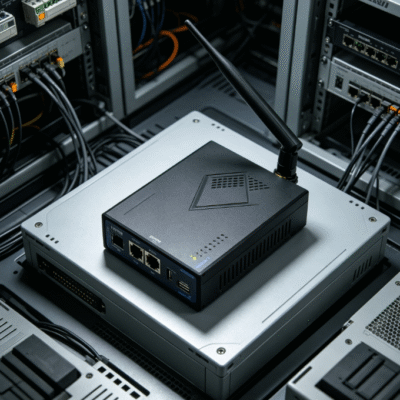
The primary distinction involves where the “brain” of the operation resides. Cloud computing utilizes remote data centers managed by providers like Amazon or Microsoft. Conversely, edge computing uses local hardware, such as 4G/5G edge computing gateways, to handle tasks on-site.
Latency and Real-Time Responsiveness
Latency is the time required for data to travel from a sensor to a processor and back. In a typical cloud setup, this round-trip can take 100 to 200 milliseconds. While this seems fast, it is often too slow for high-speed machinery.
Edge computing reduces latency to less than 10 milliseconds in most industrial applications. This speed allows for immediate safety shut-offs or precision adjustments in robotics. Without this local speed, automated systems cannot react to environmental changes in real time.
Bandwidth Optimization and Cost Control
Modern IoT sensors generate immense amounts of raw data every second. Streaming all this information to the cloud consumes massive network bandwidth. High bandwidth usage leads to increased operational costs and potential network congestion.
Edge devices act as a filter for this data flood. They process raw signals locally and only transmit vital “summary” data to the cloud. Research indicates that edge filtering can reduce data transmission costs by over 50% for large-scale deployments.
Why Industrial Environments Prefer Edge-Based Solutions
Industrial settings present unique challenges that standard cloud models struggle to meet. Reliability is a major concern because factory floors cannot stop due to internet outages. Edge architecture ensures that local logic remains functional even when external links fail.
Enhanced Data Security and Privacy
Sending sensitive industrial secrets over the public internet creates significant risks. Edge computing improves security by keeping the most sensitive data within the local firewall. This minimizes the risk of interception during transit to a remote server.
Centralized cloud databases are prime targets for large-scale cyberattacks. A distributed edge model spreads data across many nodes, making a single catastrophic breach less likely. This localized control is essential for industries dealing with proprietary manufacturing processes.
Data Sovereignty and Compliance
Many countries now enforce strict laws regarding where data can be stored. Edge computing allows companies to comply with these regulations by keeping raw data on-site. Only processed, non-sensitive reports are moved across borders to global cloud instances.
| Metric | Edge Computing | Cloud Computing |
| Processing Speed | Ultra-fast (Real-time) | Moderate (Delayed) |
| Primary Goal | Immediate Action | Long-term Analysis |
| Data Privacy | High (Local Storage) | Variable (External Storage) |
| Network Dependency | Low (Works Offline) | High (Requires Internet) |
Selecting the Right Hardware for Your IoT Infrastructure
The success of an IoT project depends heavily on the interface between machines and the network. Choosing the right gateway is the most critical step in building a resilient edge layer. You must consider the specific protocols your existing equipment uses.
Integrating 4G and 5G Connectivity
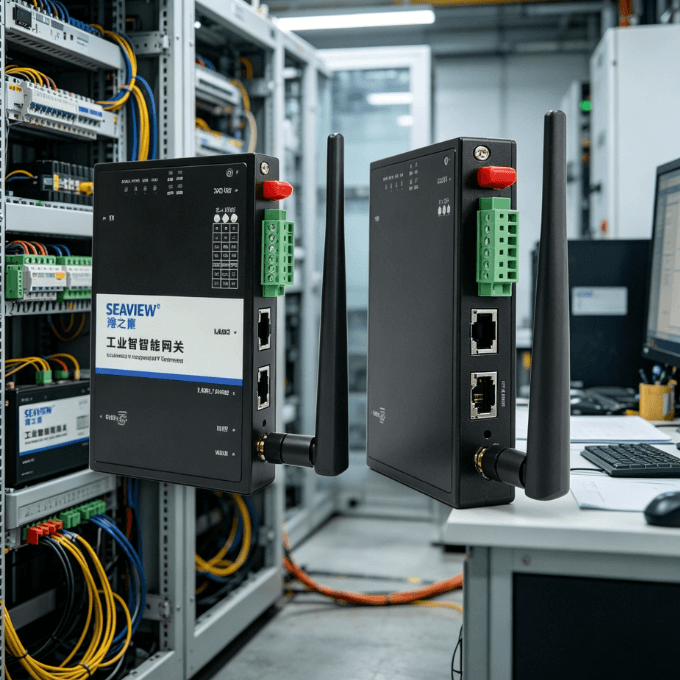
In many remote or mobile industrial sites, wired internet is not an option. 5G edge computing gateways provide the high-speed wireless link necessary for data-heavy applications. These devices bridge the gap between local sensors and the broader corporate network.
The right hardware should support a variety of industrial protocols like Modbus and MQTT. This ensures that the edge node can communicate with both old legacy machines and new smart sensors. Versatile hardware reduces the complexity of your digital transformation.
Identifying the Need for Hybrid Models
Most modern enterprises do not choose only one technology. They use a hybrid approach where edge and cloud work together. The edge handles the “tactical” needs of the factory floor, while the cloud handles “strategic” global planning.
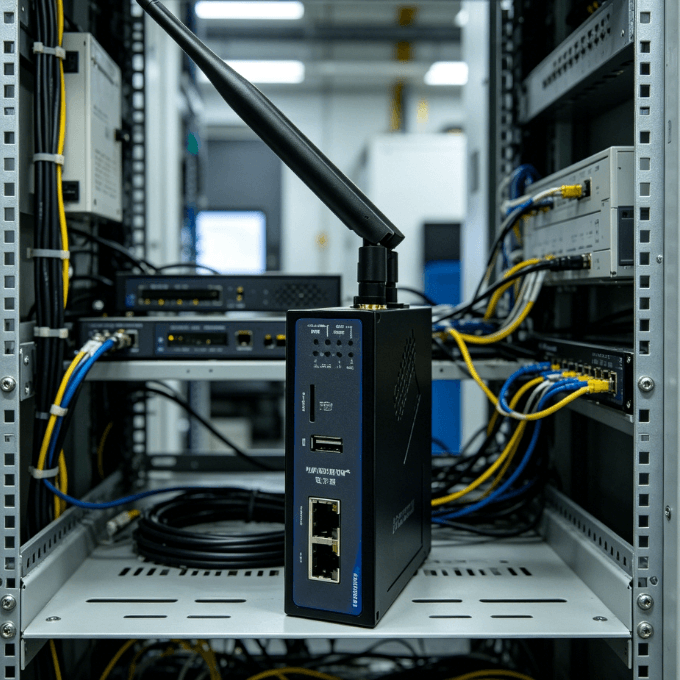
When determining if your site needs an upgrade, evaluate your current downtime and data costs. If your systems lag or your data bills are soaring, it is likely time to implement localized processing. You can find specialized 4G/5G edge computing gateways that are designed to handle these specific industrial burdens.
Summary
The choice between edge computing vs cloud computing iot depends on your need for speed and data volume. Edge computing provides the immediate response and security required for local operations. Cloud computing offers the deep analytical power needed for long-term business intelligence and global scaling.
FAQ
1. What is the main advantage of edge computing over cloud computing in IoT?
The main advantage is significantly lower latency and improved real-time performance. Because data is processed locally, the system can react to changes in milliseconds without waiting for a remote server response.
2. Can edge computing function without an internet connection?
Yes, edge computing can perform critical control functions and data processing offline. It only requires a connection when it needs to sync summarized data or receive updates from the central cloud management system.
3. Is edge computing more expensive to implement than cloud computing?
Initially, edge computing requires an investment in local hardware like gateways. However, it often reduces long-term costs by lowering bandwidth fees and preventing expensive downtime caused by network instability.
4. How do edge and cloud computing work together in a hybrid model?
In a hybrid model, the edge collects and filters raw data for immediate local action. It then sends the most important data subsets to the cloud for deep learning, historical archiving, and enterprise-wide reporting.
Reference Sources
IEEE (Institute of Electrical and Electronics Engineers): Edge Computing Vision and Challenges
AWS (Amazon Web Services): Cloud vs Edge Computing Explained
International Electrotechnical Commission (IEC): IoT and Edge Standards for Industry