
How to Choose a Real Time Industrial Monitoring System

Industrial automation has transformed how factories operate across the globe in 2026. Modern production lines now rely on constant data streams to maintain peak efficiency. Selecting a real time industrial monitoring system is the most critical decision for any digital transformation project.
These systems provide the visibility needed to prevent downtime. They also optimize resource allocation throughout the factory. Without accurate monitoring, industrial assets remain vulnerable to unexpected failures.
The shift toward Industry 4.0 requires a robust infrastructure. This infrastructure must support high-speed communication across all levels. A real time industrial monitoring system acts as the central nervous system of a smart factory.
Why Real-Time Visibility is Vital for Modern Factories?
Real-time visibility significantly reduces operational risks in high-stakes environments. Traditional periodic inspections often miss subtle signs of equipment fatigue. A real time industrial monitoring system tracks performance metrics every second.
This continuous oversight allows engineers to identify anomalies quickly. They can fix issues before they escalate into major breakdowns. Predictive maintenance strategies depend entirely on this constant data flow.
According to industry research in 2026, predictive maintenance reduces maintenance costs by 30%. Implementing a real time industrial monitoring system facilitates this transition. Companies using these systems often see a 20% increase in overall equipment effectiveness.
Enhancing Operational Safety through Data
Real-time data improves safety protocols within hazardous industrial zones. Automated alerts can trigger emergency shutdowns if limits are exceeded. This protects both human workers and expensive physical assets.
Data-driven insights ensure that machinery operates within optimal parameters. Immediate response capability is the primary benefit of modern monitoring. Choosing a reliable monitoring system is a direct investment in operational safety.
How to Choose a Real Time Industrial Monitoring System Based on Connectivity?
Connectivity serves as the backbone of any automated industrial environment. You must first determine the specific networking requirements of your facility. A real time industrial monitoring system requires stable connections to function.
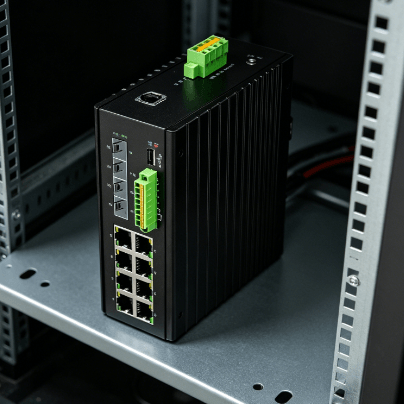
Many facilities operate in environments with significant electromagnetic interference. Choosing the right industrial-grade switches is essential for maintaining network integrity. These switches must support specialized protocols like Profinet or EtherNet/IP.
Standard commercial switches often fail under vibration and temperature fluctuations. Robust networking hardware provides the low-latency pathways needed for data. Industrial switches provide the backbone for reliable real-time data transmission.
Evaluating Network Topology and Redundancy
You should evaluate whether your system needs wired or wireless connectivity. Large-scale deployments often benefit from a hybrid approach. This might include fiber optics and cellular networks.
Ensure the hardware supports managed features to prioritize critical traffic. This prevents data bottlenecks during peak production hours. Redundant ring topologies are vital for ensuring zero-packet loss during network failures.
Reliable connectivity reduces the risk of data gaps. Gaps in data can lead to incorrect analytical conclusions. Always prioritize hardware that offers high mean time between failures.
Essential Hardware Features for Harsh Industrial Environments
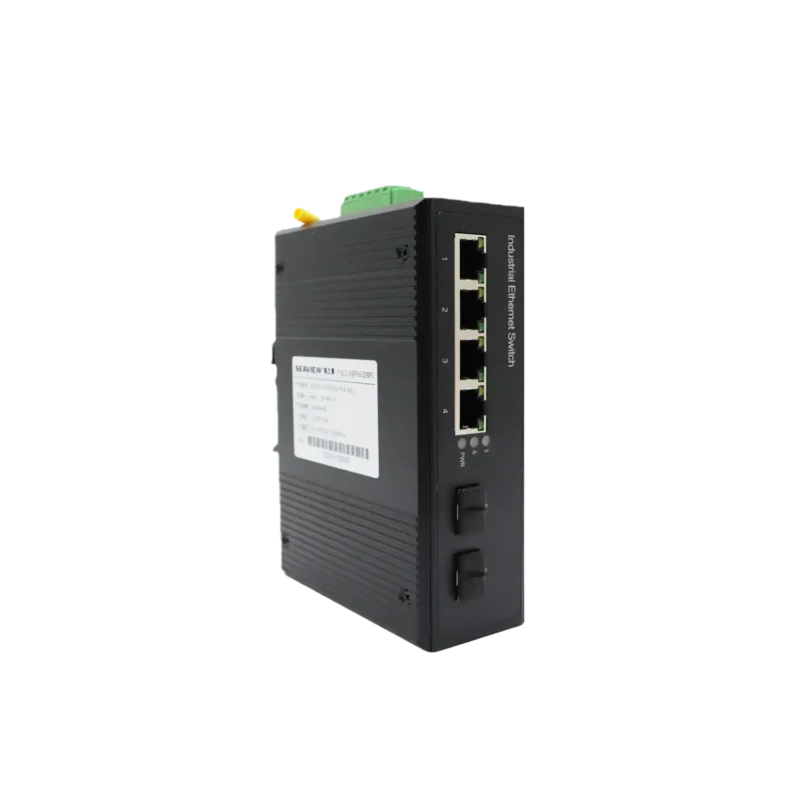
Industrial environments are notoriously difficult for standard electronic components. Dust, moisture, and extreme temperatures can quickly degrade sensitive hardware. When selecting a real time industrial monitoring system, verify the ingress protection ratings.
Equipment with an IP67 rating offers complete protection against dust. It also protects against temporary water immersion in wet environments. Operating temperature ranges are another critical factor for hardware selection.
Reliable components should function between -40°C and +75°C without loss. Metal enclosures provide better heat dissipation and mechanical protection. Ruggedized hardware ensures the longevity of your real-time monitoring investment.
| Feature | 2026 Standard Requirement | Operational Benefit |
| Temperature Range | -40°C to +75°C | Continuous operation in extreme climates |
| IP Rating | IP30 to IP67 | Protection against dust and moisture |
| Power Redundancy | Dual DC Inputs | Prevents downtime during power failure |
| MTBF | >100,000 Hours | Reduced long-term replacement costs |
Power Supply Stability and Protection
Power supply stability impacts the reliability of your monitoring infrastructure. Look for devices that offer wide-range DC power inputs. Redundant power terminals prevent outages caused by local power fluctuations.
High-quality industrial hardware must resist electrical surges. It should also withstand electrostatic discharges common in factory settings. These features prevent permanent damage to the monitoring electronics.
A stable power foundation ensures consistent data reporting. This consistency is vital for long-term trend analysis. Stable power design is a prerequisite for any real-time industrial application.
Data Processing: Edge Computing vs. Cloud Integration?
The location of data processing affects system response times significantly. Processing data at the “edge” reduces the need for remote servers. This is crucial for a real time industrial monitoring system where milliseconds matter.
Using advanced 4G/5G edge computing gateways allows for rapid local decision-making. These devices handle local data filtering and analysis directly on-site. They can trigger local alarms without relying on an internet connection.
This architecture minimizes latency and preserves expensive bandwidth. It also ensures that critical operations remain functional during outages. Edge gateways provide a bridge between local sensor networks and global cloud platforms.
The Role of Cloud Platforms in 2026
Cloud integration remains important for long-term data storage. It allows for multi-site benchmarking across different geographic locations. However, a system should not rely solely on the cloud.
A hybrid architecture offers the best combination of speed and depth. This allows for both immediate reactions and historical analysis. 2026 trends show a move toward decentralized data management.
Effective data management requires software that can scale with the business. It must handle increasing data volumes without performance degradation. The right balance of edge and cloud determines the system’s overall agility.
How to Identify the Best Management Software Platforms?
Software is the interface through which users interact with their data. The ideal real time industrial monitoring system platform must be intuitive. It should support various data visualization tools like heat maps.
Interoperability is a major concern when selecting an IoT business platform for your facility. The software must integrate with existing ERP and SCADA systems. It should also support multiple communication protocols to avoid vendor lock-in.
Customization allows different departments to view relevant metrics easily. This improves the speed of cross-departmental collaboration. A flexible software platform evolves alongside your growing industrial infrastructure.
Security Features and Data Privacy
Security features within the platform are non-negotiable in 2026. Ensure the software provides role-based access control for all users. End-to-end data encryption protects sensitive production information from cyber threats.
Detailed audit logs help track changes and identify potential breaches. These logs are essential for regulatory compliance in many industries. Reliable monitoring platforms must prioritize data privacy and system integrity.
Cybersecurity in 2026 is a top priority for factory managers. A breach can lead to massive financial and physical losses. Robust security protocols are the foundation of trust in digital monitoring.
Criteria for Selecting High-Performance Industrial Hardware
Selecting the right components requires a deep understanding of your goals. You should prioritize hardware that simplifies the complexity of data acquisition. A successful real time industrial monitoring system depends on synergy.
Evaluation begins by checking the compatibility of all three layers. This includes the switches, the gateways, and the management software. Cohesive hardware and software integration lead to a more resilient ecosystem.
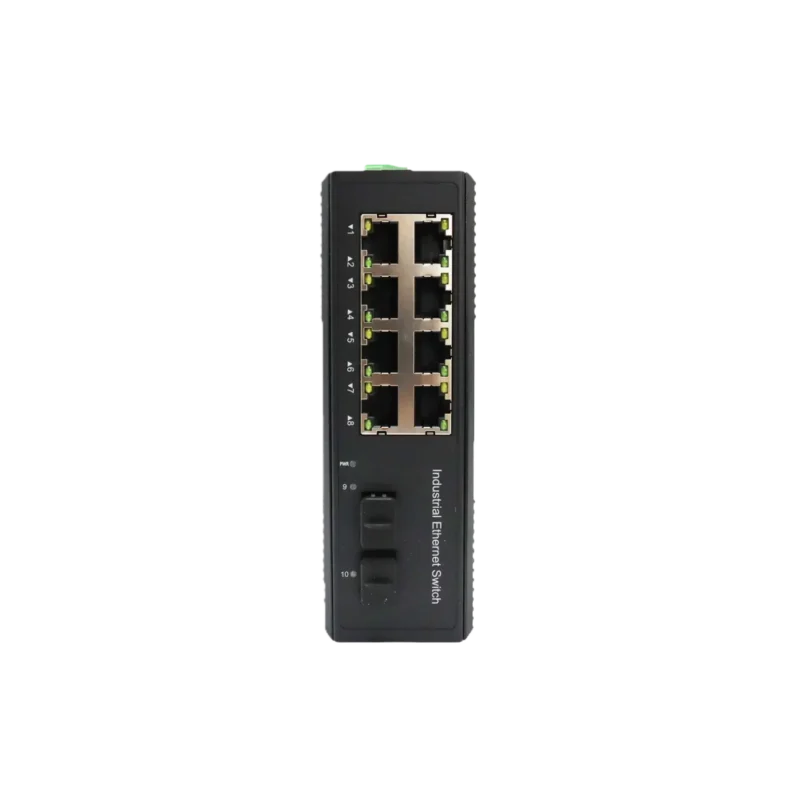
When choosing networking components, look for high port density and PoE. This allows you to power sensors directly through the data cable. Coordinated hardware selection reduces the total cost of ownership over time.
Standardizing Protocols for Future Growth
Standardization is key to a scalable monitoring solution in 2026. Avoid proprietary systems that limit your future hardware choices. Open standards ensure that you can add new sensors easily.
Test the hardware in a pilot environment before a full-scale rollout. This identifies potential bottlenecks in the network or data processing. A well-planned pilot phase saves time and money during the final implementation.
The integration of artificial intelligence is also a factor in 2026 hardware. Ensure your gateways have enough processing power for AI workloads. This future-proofs your investment against rapid technological changes.
Summary
Choosing a real time industrial monitoring system in 2026 requires balancing durability and speed. Prioritize ruggedized hardware and edge computing for maximum reliability. By selecting interoperable platforms and secure gateways, you ensure a scalable foundation for automation success. The right system choice drives long-term efficiency and safety.
FAQ
1. How does a real time industrial monitoring system improve efficiency?
It provides immediate data on machine performance and environmental conditions. This allows for instant adjustments to production cycles. These systems also reduce wasted energy and materials by 15% on average.
2. What is the role of edge gateways in industrial monitoring?
Edge gateways process data close to the source to reduce latency. They allow the real time industrial monitoring system to react to critical events. This happens without the need for a constant cloud connection.
3. Can I integrate new monitoring systems with old machinery in 2026?
Yes, most modern systems use universal protocols to bridge the gap. Specialized converters allow the real time industrial monitoring system to read legacy data. This process is common in brownfield digital transformation projects.
4. Why is an industrial switch better than a home switch for factories?
Industrial switches feature hardened casings and fanless cooling for reliability. They are designed for 24/7 operation in high-vibration environments. Standard switches often fail within weeks in a factory setting.
5. What security measures should I look for in a monitoring system?
Focus on hardware-based encryption and secure boot processes. Multi-factor authentication is also essential for all user access points. A secure real time industrial monitoring system protects data throughout its lifecycle.
Reference Sources
International Society of Automation (ISA) Standards for Industrial Communication and Control
IEEE Xplore Digital Library Research on Real-Time Monitoring and Edge Computing 2026
Deloitte Insights on the Future of the Smart Factory and Digital Manufacturing
International Electrotechnical Commission (IEC) Global Standards for Electronic Technologies