
How to Design High Availability Network Transport

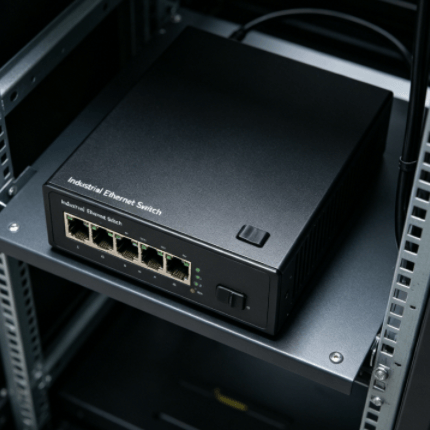
Smart transportation systems demand 24/7 reliability to ensure public safety and operational efficiency. A high availability network transportation framework prevents data loss during critical hardware or link failures. Modern cities in 2026 rely on these networks for traffic management and emergency response. Designing such a system requires a deep understanding of hardware durability and network redundancy.
Network availability is often measured by the “five nines” standard, or 99.999% uptime. This level of performance translates to less than six minutes of downtime per year. Achieving this in a harsh outdoor environment is a significant engineering challenge. Engineers must select components that withstand extreme temperatures and electromagnetic interference.
The foundation of a resilient system lies in the physical and logical layers of the network. High-speed fiber optics combined with robust hardware create a stable backbone. These components must support advanced recovery protocols to maintain seamless communication. This guide details the essential steps to achieve a high-performance, fail-safe transport network.
Why High Availability is Critical for Modern Transit Systems in 2026?
As urban populations grow, the demand for intelligent traffic management reaches new heights. By 2026, the integration of autonomous vehicles and real-time sensors will be standard. These technologies require a high availability network transportation infrastructure to prevent accidents. Any network latency could lead to catastrophic failures in vehicle-to-infrastructure communication.
Modern transit systems generate massive amounts of data every second. This data includes high-definition video feeds, sensor telemetry, and signaling information. A resilient network ensures that this data flows without interruption even during hardware failures. High availability is no longer a luxury but a fundamental safety requirement.
Furthermore, the economic impact of network downtime is substantial. Delayed traffic signals or failed tolling systems can cost cities millions in lost productivity. Building a network with 99.999% uptime mitigates these risks effectively. Reliable connectivity supports the overall economic health of a smart city.
Addressing Environmental Challenges
Roadside environments are notoriously difficult for electronic equipment. Devices must endure extreme heat, freezing temperatures, and high humidity levels. Vibrations from heavy vehicles can also damage internal circuitry over time. High availability network transportation designs must prioritize ruggedized physical components.
Dust and moisture ingress are common causes of premature hardware failure. Protective enclosures and fanless designs help maintain internal stability. Engineers often specify equipment with IP67 or higher ingress protection ratings. These standards ensure the network remains functional during severe weather events in 2026.
Achieving the Five Nines Standard
Uptime is the most critical metric for any transportation authority. Achieving 99.999% availability means the system is nearly always operational. This requires redundant links between every major node in the city. A dual-core architecture provides the necessary failover capabilities for critical transit hubs.
Hardware maintenance must also be possible without disrupting the entire network. Hot-swappable modules and remote management tools are essential for 2026 operations. These features allow technicians to replace parts while traffic data continues to flow. This proactive maintenance strategy is key to long-term reliability.
Core Strategies to Design High Availability Network Transport
To design high availability network transport, engineers must implement a tiered architecture. This usually involves an access layer, a distribution layer, and a core layer. Each layer serves a specific purpose in moving data efficiently across the city. This separation of duties prevents local issues from affecting the entire network.
The access layer connects sensors and cameras directly to the grid. The distribution layer aggregates this traffic and provides initial redundancy. Finally, the core layer handles high-speed routing between data centers and control rooms. Using a structured approach simplifies troubleshooting and enhances overall system scalability.
| System Metric | Performance Standard | Reliability Impact |
| Network Recovery | < 50ms (ERPS) | Prevents video streaming lag |
| MTBF | > 350,000 Hours | Extends hardware replacement cycles |
| Power Supply | Dual 12-48V DC | Protects against electrical surges |
| Latency | < 5ms | Supports real-time vehicle safety |
Redundancy must be built into both the hardware and the software logic. This includes using multiple internet service providers for the core backbone. If one provider experiences an outage, the network shifts traffic to the alternative path. Redundancy is the primary defense against unforeseen external connectivity failures.
Implementing Ring Topologies
Ring topologies are highly effective for linear transportation routes like highways. In a ring setup, each switch connects to two neighbors, forming a circle. This design ensures that a single fiber break does not isolate any device. Data simply reverses direction to reach its destination through the secondary path.
Modern ring networks utilize the ITU-T G.8032 ERPS protocol for rapid recovery. This protocol can restore a broken link in less than 50 milliseconds. Such speed is crucial for 2026 applications like automated incident detection. Users will not experience any perceptible loss of service during the switchover.
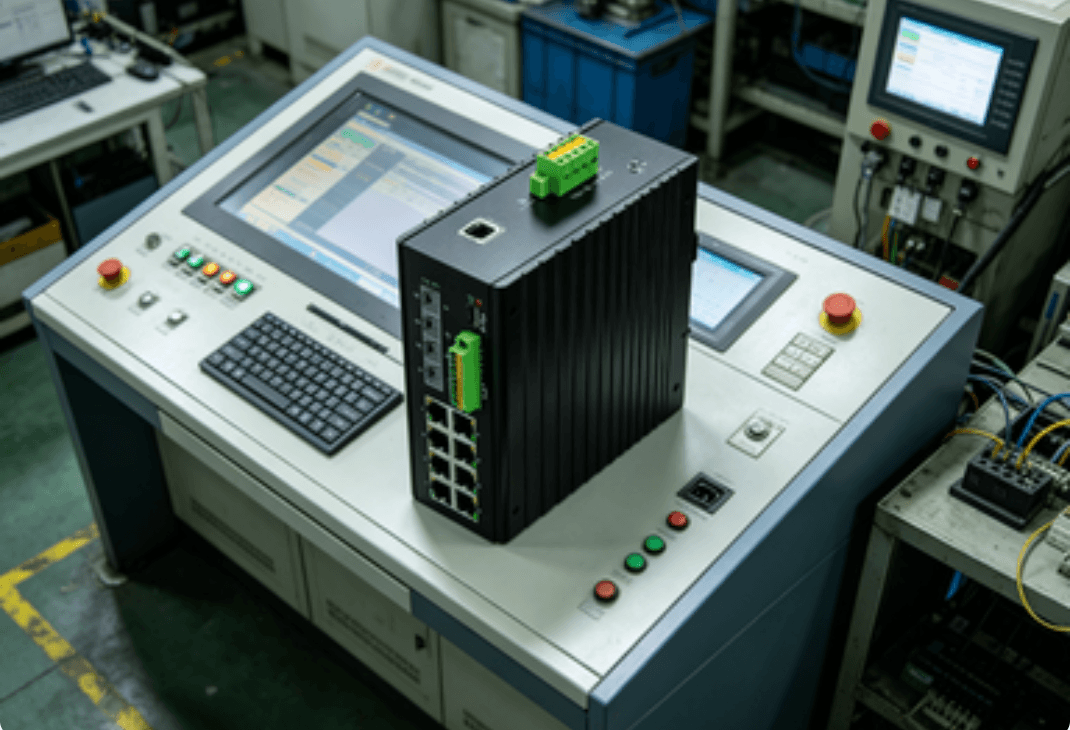
Power Redundancy Protocols
Power failures are a frequent cause of network downtime in urban areas. High availability designs incorporate dual power inputs for all critical networking devices. These inputs should ideally come from two different electrical circuits or battery backups. Constant power availability is just as important as data path redundancy.
Power over Ethernet (PoE) management also plays a vital role. Smart switches can prioritize power to critical devices like emergency intercoms during a shortage. They can also reboot frozen cameras remotely, reducing the need for manual site visits. This automated power management enhances the self-healing capabilities of the network.
Integrating Smart Infrastructure with Industrial Networking
The hardware used in smart transportation must be specifically designed for industrial use. Standard office switches often fail within months when placed in a traffic cabinet. Therefore, selecting high-quality industrial switches is the most important hardware decision. These devices offer the durability and protocols needed for a high availability network transportation system.
Industrial hardware features enhanced protection against electromagnetic interference (EMI). This is critical when equipment is located near power lines or electric bus charging stations. These switches also support extended operating temperatures from -40°C to +75°C. Ruggedized hardware ensures that the network survives the harshest 2026 climate conditions.
Smart cities are also deploying versatile nodes to house their networking equipment. Modern smart light pole solutions provide an ideal platform for edge computing and connectivity. These poles integrate lighting, surveillance, and networking into a single, aesthetic structure. They act as the “nervous system” of a 2026 smart transportation network.
The Role of Specialized Switches
Managed switches allow administrators to segment traffic using Virtual LANs (VLANs). This ensures that critical signaling data is separated from public Wi-Fi traffic. Priority is always given to safety-related information to prevent congestion. Traffic segmentation is a key component of a secure and available network.
Quality of Service (QoS) settings further refine how data is handled. In a 2026 transit network, emergency alerts receive the highest priority level. Video surveillance might receive the second-highest priority to ensure clear evidence collection. This hierarchy ensures that the most important data always gets through.
Connectivity via Smart Hubs
Smart poles simplify the deployment of 5G small cells and IoT sensors. They provide the necessary fiber backhaul and power infrastructure in a compact footprint. By using these poles, cities can achieve better network coverage with less visual clutter. The integration of networking hardware into street furniture is a major trend for 2026.
These poles also facilitate easy access for maintenance crews without blocking traffic. They often include built-in sensors to monitor the health of the networking hardware. If a switch inside the pole overheats, an alert is sent to the control center immediately. This real-time feedback loop is essential for maintaining high availability network transportation.
How to Choose the Right Infrastructure for Your Project?
Determining the best hardware depends on the scale and environment of your project. You must first evaluate the bandwidth requirements of your sensors and cameras. For high-density video surveillance, 10G fiber uplinks are becoming the 2026 standard. Selecting hardware with future-proof bandwidth prevents costly rip-and-replace upgrades later.
The number of PoE ports required is another critical consideration for designers. Ensure that the total power budget of the switch can handle all connected devices simultaneously. Some high-power PTZ cameras in 2026 require up to 90W of power. Verifying PoE standards compatibility ensures all your roadside devices stay powered.
Consider the technical support and longevity of the vendor you choose. Smart transportation infrastructure is intended to last for ten to fifteen years. Choose a partner that offers long-term warranties and firmware updates for 2026 security compliance. Reliable vendors provide the stability needed for critical public infrastructure projects.
Finally, look for hardware that supports open standards like G.8032 ERPS. Proprietary protocols can lock you into a single vendor for the entire life of the project. Open standards allow you to mix and match hardware from different manufacturers. This flexibility is vital for the evolving needs of a high availability network transportation system.
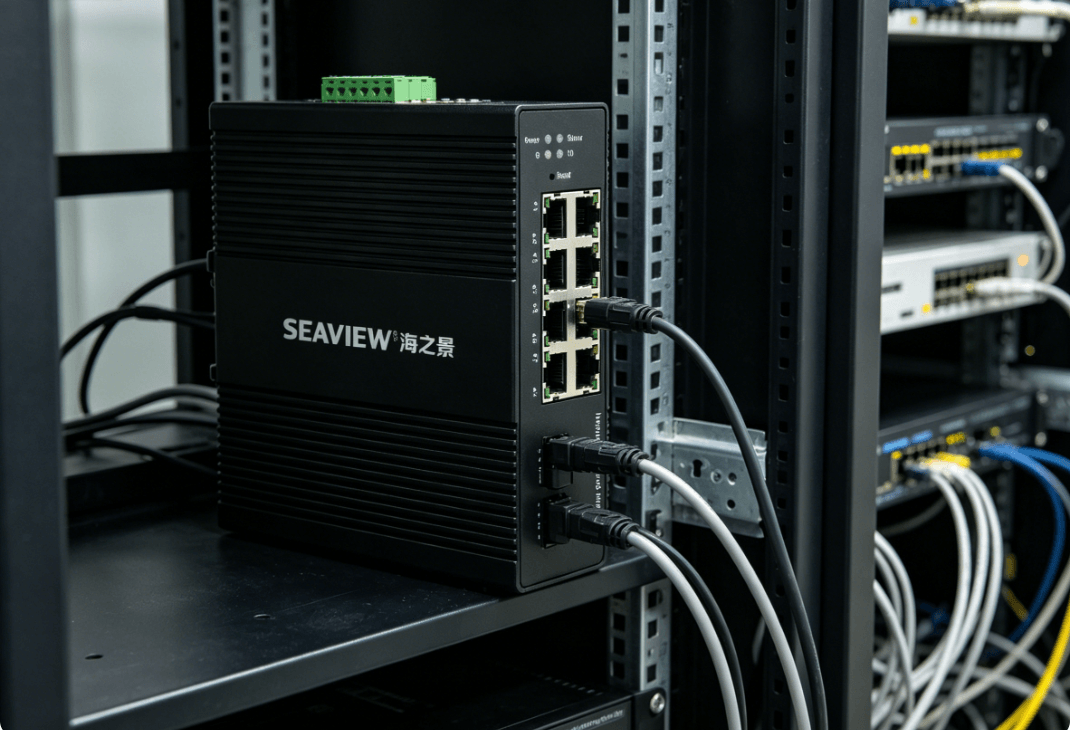
Summary
Designing a high availability network transportation system requires a focus on redundancy, rugged hardware, and smart integration. By using industrial-grade components and rapid recovery protocols, cities can achieve 99.999% uptime. This ensures that the 2026 smart transportation grid remains safe, efficient, and ready for future technological growth.
FAQ
1. What is the most reliable topology for a transportation network?
The ring topology is considered the most reliable for modern transit systems. It provides two paths for data to travel, ensuring that a single cable break does not cause an outage. When combined with ERPS protocols, it allows the network to recover in less than 50 milliseconds.
2. Why are industrial-grade components necessary for smart cities?
Industrial components are built to withstand extreme environmental conditions that would destroy standard hardware. They handle temperature fluctuations from -40°C to +75°C and offer superior protection against electrical surges. Using these parts reduces long-term maintenance costs and prevents unexpected network failures in 2026.
3. How does PoE improve network availability?
PoE allows for centralized power management of all edge devices like cameras and sensors. This means you can use a single Uninterruptible Power Supply (UPS) at the switch level to keep multiple devices running. It also enables remote power cycling of devices, which fixes 90% of common hardware glitches without a site visit.
4. What role do smart light poles play in 2026 network design?
Smart light poles act as integrated hubs for both connectivity and urban services. They house the switches and sensors needed for a high availability network transportation system while providing public lighting. This multifunctional approach saves space and reduces the cost of installing separate infrastructure for each technology.
5. How can I ensure my network is secure from cyber threats?
Security must be integrated into the high availability design through VLANs and port security. Encrypting management traffic and using strong authentication protocols are mandatory steps for 2026 networks. A secure network is a more available network, as it is protected from malicious disruptions.
Reference Sources
International Telecommunication Union (ITU)