
Why Choose an AI Gateway for Industrial IoT Edge?

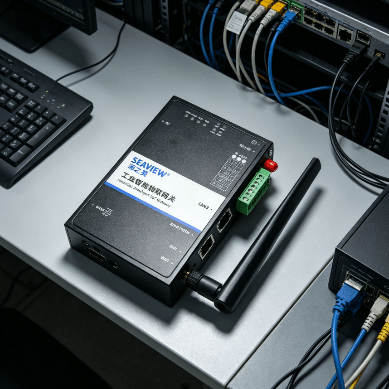
The global industrial sector is facing a massive transformation in 2026. Data generation at the edge is reaching unprecedented levels every single day. Traditional cloud systems often struggle to process this influx of information quickly. An AI gateway for industrial IoT solves these critical bottlenecks efficiently.
These devices bring advanced computational power directly to the factory floor. They process complex algorithms without needing a constant cloud connection. This shift improves operational speed and enhances data privacy simultaneously. Using an AI gateway for industrial IoT is now a standard requirement.
Modern production lines require immediate responses to avoid costly errors. Local intelligence allows machines to react to sensor data in microseconds. This capability reduces the reliance on distant data centers significantly. Smart factories thrive by implementing these intelligent edge solutions today.
Why is an AI Gateway Essential for Modern Industrial IoT?
Legacy hardware often lacks the processing power for modern deep learning. An AI gateway for industrial IoT provides the necessary neural processing capabilities. It acts as a local brain for connected industrial machines. This setup ensures that critical decisions happen where the data originates.
Bandwidth consumption is a major concern for large-scale industrial operations. Sending raw video or vibration data to the cloud is expensive. An AI gateway for industrial IoT filters and analyzes data locally. It only transmits essential alerts or summarized reports to management.
Research in 2026 shows that edge AI can reduce bandwidth costs by 92%. This massive saving allows companies to scale their IoT deployments faster. Managers can monitor hundreds of assets without overwhelming their network infrastructure. Efficiency is the primary driver for adopting these intelligent gateways.
Data security is another vital reason to choose edge intelligence. Keeping sensitive operational data on-site reduces the risk of external intercepts. An AI gateway for industrial IoT keeps your intellectual property safe. You maintain full control over your information at all times.
| Performance Metric | Standard Edge Gateway | AI Gateway for Industrial IoT |
| Inference Speed | Slow (CPU-based) | Ultra-fast (NPU-accelerated) |
| Local Analytics | Basic math | Deep learning models |
| Latency | 100ms – 500ms | < 10ms |
| Data Reduction | Minimal | Up to 95% |
| Model Support | None | TensorFlow, PyTorch, etc. |
How Do AI Gateways Enhance Factory Floor Intelligence?
Real-time monitoring is the heartbeat of a successful smart factory. An AI gateway for industrial IoT monitors equipment health using acoustic sensors. It detects tiny changes in machine sounds that indicate wear. This allows for maintenance before a breakdown occurs in 2026.
Predictive maintenance programs can increase machine uptime by nearly 35%. They also reduce overall maintenance costs by 25% in most cases. These financial benefits make the AI gateway for industrial IoT a wise investment. Reliable hardware ensures that production schedules remain strictly on track.
Safety is also greatly improved through intelligent computer vision applications. Gateways can identify if workers are wearing proper safety gear instantly. They can also detect if a person enters a dangerous zone. The AI gateway for industrial IoT triggers alarms faster than human observers.
High-Performance Neural Processing Units
The core of these gateways is the specialized AI chip. These chips are optimized for matrix multiplication and tensor operations. They deliver high TOPS (Tera Operations Per Second) at very low power. This efficiency is critical for fanless industrial computing environments.
Most modern gateways in 2026 offer between 20 and 100 TOPS. This power allows for multiple AI models to run simultaneously. One AI gateway for industrial IoT can handle several camera feeds. It provides a centralized hub for localized artificial intelligence tasks.
Real-Time Protocol Conversion and Data Security
Industrial environments use many different communication languages like Modbus and MQTT. An AI gateway for industrial IoT translates these protocols seamlessly. It ensures that old machines can talk to modern software platforms. This bridge is essential for comprehensive digital transformation projects.
Security features are built into the hardware level of these devices. Secure boot and hardware encryption protect against malicious firmware updates. An AI gateway for industrial IoT creates a trusted environment for data. This protection is mandatory for critical infrastructure in 2026.
Core Technologies Powering an AI Gateway for Industrial IoT
Edge computing relies on robust connectivity and high-speed internal buses. These gateways often feature 5G modules for ultra-reliable low-latency communication. This allows the AI gateway for industrial IoT to share insights rapidly. Fast data transfer is a requirement for coordinated robotic fleets.
Industrial-grade components ensure these devices last for many years. They are built to withstand extreme temperatures and high humidity levels. An AI gateway for industrial IoT often features a rugged aluminum housing. This design dissipates heat without the need for vulnerable cooling fans.
Internal storage options like NVMe SSDs provide fast data logging. This is crucial if the network connection is temporarily lost. The AI gateway for industrial IoT stores data locally until reconnected. No information is lost during unexpected network outages or maintenance.
Advanced Connectivity Options
Modern gateways support both wired and wireless networking standards. This includes Gigabit Ethernet, Wi-Fi 6, and cellular backup options. An AI gateway for industrial IoT provides redundant paths for data. This ensures that your facility remains connected regardless of external factors.
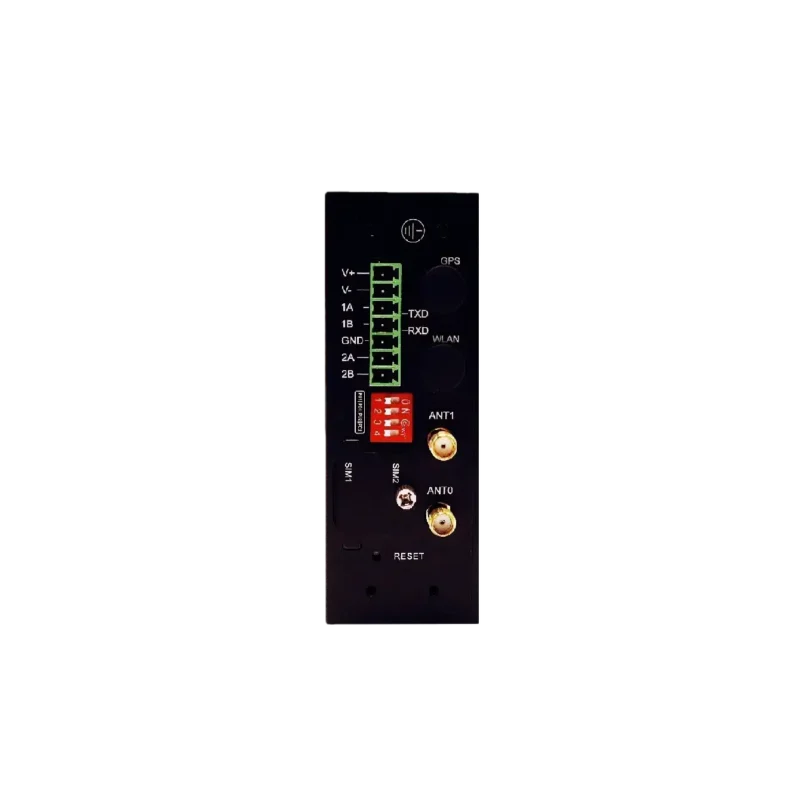
Dual-SIM capabilities are common in high-end industrial edge devices. They allow for automatic switching between different cellular providers. This feature is vital for remote sites or mobile industrial assets. Reliability is a cornerstone of the AI gateway for industrial IoT design.
Software Integration and Flexibility
Compatibility with Linux-based operating systems provides great flexibility for developers. They can use standard tools to build and deploy AI models. An AI gateway for industrial IoT supports containerization for easy updates. This keeps your edge intelligence current with the latest algorithms.
Open-source frameworks allow for rapid prototyping of new industrial solutions. Engineers can test and refine their models in simulated environments first. Then, they deploy to the AI gateway for industrial IoT with confidence. This workflow accelerates the pace of innovation in 2026.
Real-World Applications of AI Gateways in 2026
In the automotive sector, gateways inspect vehicle parts on assembly lines. They use high-resolution cameras to find microscopic cracks or defects. The AI gateway for industrial IoT ensures 100% inspection accuracy. This eliminates the need for manual sampling and reduces waste.
Energy companies use edge AI to manage smart grid distributions. These devices analyze power consumption patterns across large geographical areas. An AI gateway for industrial IoT balances the load automatically. This prevents blackouts and optimizes the use of renewable energy sources.
The food and beverage industry uses AI for sorting raw ingredients. Gateways identify and remove contaminants at very high speeds. Using an AI gateway for industrial IoT ensures the highest safety standards. Consumer trust is maintained through consistent and automated quality control.
Smart Warehousing and Logistics
Automated Guided Vehicles (AGVs) rely on edge intelligence for navigation. The AI gateway for industrial IoT processes LIDAR data to avoid obstacles. It calculates the most efficient paths through a busy warehouse. This automation triples the throughput of modern fulfillment centers.
Inventory tracking is also simplified with intelligent camera systems. Gateways count items and identify stock levels in real-time. An AI gateway for industrial IoT updates the central database instantly. This reduces errors and prevents the loss of valuable products.
Environmental Monitoring in Heavy Industry
Mining and chemical plants use gateways to monitor hazardous gases. Sensors feed data into the AI gateway for industrial IoT continuously. The system predicts potential leaks based on historical pressure trends. This proactive approach saves lives and protects the environment.
Ruggedized gateways operate in the harshest conditions on Earth. They function perfectly in deep mines or on offshore oil rigs. The AI gateway for industrial IoT is built for extreme durability. It provides reliable data where standard computers would fail quickly.
How to Select High-Performance Edge Hardware?
Choosing the right device requires a deep understanding of your needs. You must evaluate the number of sensors and cameras involved. A powerful AI artificial intelligence gateways solution is needed for video analytics. These devices provide the high TOPS ratings required for vision.
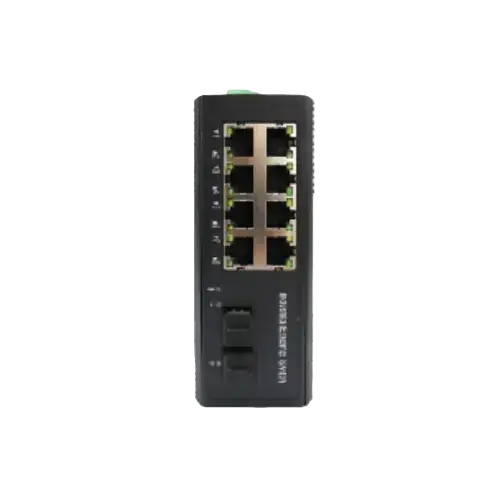
If your primary need is data routing, consider connectivity-focused units. Reliable 4G/5G edge computing gateways are excellent for remote monitoring. These provide the bridge between your sensors and your management software. Always prioritize hardware that supports your specific industrial protocols.
Check the environmental specifications of every potential gateway carefully. Ensure it has the correct IP rating for your facility’s conditions. An AI gateway for industrial IoT should offer wide voltage input ranges. This protects the internal circuitry from unstable industrial power supplies.
Software support is another critical factor in your final decision. Ensure the manufacturer provides regular security patches and firmware updates. A well-supported AI gateway for industrial IoT lasts much longer. It adapts to new threats and technological changes throughout 2026.
Consider the scalability of the hardware platform for future growth. You may need to add more complex models as your project evolves. Choosing a high-performance AI gateway for industrial IoT now prevents future upgrades. Investing in quality today saves significant money in the long term.
Summary
An AI gateway for industrial IoT is the foundation of 2026 smart manufacturing. It delivers low latency, reduced costs, and enhanced data security for enterprises. By moving intelligence to the edge, companies unlock unprecedented operational efficiency. This technology is essential for staying competitive in a data-driven world.
FAQ
1. What is the primary function of an AI gateway?
An AI gateway for industrial IoT processes data locally using integrated neural processors. It performs complex tasks like object detection and anomaly prediction at the source. This reduces the need for cloud-based analysis and speeds up response times.
2. How does an AI gateway reduce industrial operating costs?
These devices lower costs by reducing bandwidth usage and preventing machine downtime. An AI gateway for industrial IoT only sends critical data to the cloud. It also predicts when a machine needs repair, avoiding expensive emergency failures.
3. Are AI gateways difficult to integrate with old machinery?
Most intelligent gateways support a wide range of legacy industrial protocols. They can translate data from older PLC systems into modern web formats easily. This makes an AI gateway for industrial IoT a perfect tool for brownfield projects.
4. Can these gateways operate in extreme weather conditions?
Industrial AI gateways are designed with ruggedized components and fanless cooling systems. They typically operate in temperatures ranging from -40°C to +75°C reliably. This durability allows the AI gateway for industrial IoT to work anywhere.
5. Why is edge AI better than cloud AI for safety?
Edge AI provides nearly instantaneous processing of sensor data for safety-critical tasks. An AI gateway for industrial IoT does not depend on an internet connection. This ensures that safety protocols always trigger, even if the network fails.
Reference Sources
IEEE Xplore Edge Computing Vision and Challenges 2026
Gartner Top Strategic Technology Trends for Industrial AI