
How to Use LED Poster Screens for Retail Advertising

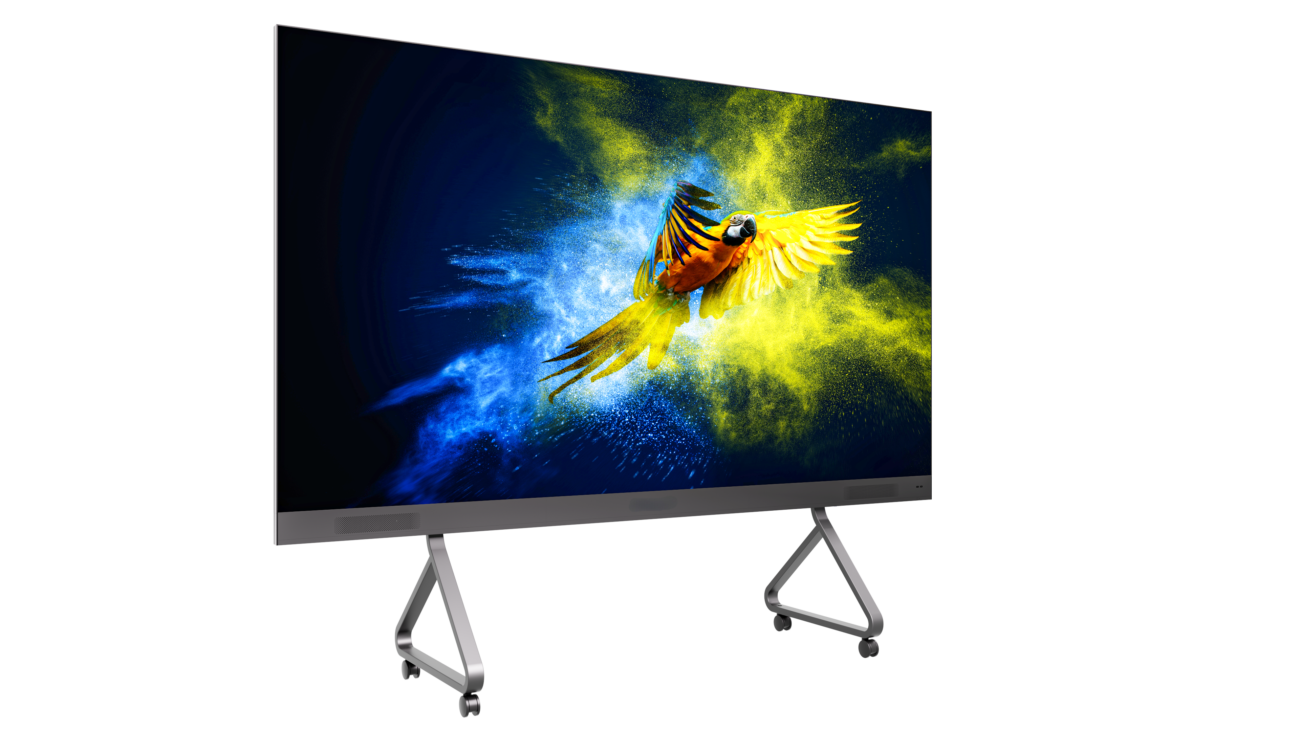
Modern retail environments in 2026 require dynamic solutions to capture customer attention effectively. An LED poster screen for retail offers a vibrant and versatile alternative to traditional static signage. These digital displays allow brands to showcase high-definition videos and images in real-time. By implementing this technology, store owners can create an immersive shopping experience.
Digital signage has fundamentally changed the way physical stores communicate with passersby. A high-quality LED poster screen for retail provides superior brightness and color accuracy. This ensures that your marketing messages remain visible even under direct sunlight or bright mall lighting. Choosing the right display is the first step toward a successful digital transformation.
Many businesses now prioritize digital displays to stay competitive in a fast-paced market. These screens are not just for showing prices; they tell a brand’s story. With the right strategy, these tools can significantly increase foot traffic and brand recall. Investing in digital posters is a proven way to modernize a storefront.
Why Should Retailers Choose LED Poster Screens in 2026?
The primary reason to use an LED poster screen for retail is its high engagement rate. Research in 2026 suggests that digital displays capture 400% more views than static posters. Movement and light naturally draw the human eye toward the screen. This makes them ideal for promoting flash sales or new arrivals.
Retailers often struggle with the costs of printing and installing paper posters. An LED poster screen for retail eliminates these recurring expenses almost entirely. You can update your content instantly through a centralized software system. This flexibility allows for time-sensitive promotions that respond to local events.
Furthermore, these screens contribute to a more modern and premium brand image. Customers often perceive stores with digital technology as more innovative and trustworthy. By replacing cluttered paper signs, you create a cleaner and more professional environment. A digital-first approach enhances the overall customer perception of quality.
| Feature | Static Poster | LED Poster Screen |
| Visibility | Low (needs external light) | High (self-emitting light) |
| Content Type | Single Image | Video, Animation, Multiple Images |
| Update Speed | Days (printing/shipping) | Instant (via cloud or USB) |
| Long-term Cost | High (recurring printing) | Low (initial investment + energy) |
| Engagement | Passive | Active and Dynamic |
Boosting Store Visibility and Foot Traffic
High-brightness screens are essential for attracting customers from a distance. In 2026, top-tier displays reach up to 5,000 nits for outdoor-facing windows. This level of brightness cuts through the glare of mid-day sun. Increased visibility directly correlates to higher foot traffic for retail stores.
Strategic movement in your digital content also plays a significant role. Humans are biologically programmed to notice motion in their peripheral vision. By using subtle animations, you can guide potential shoppers toward your entrance. This method is far more effective than traditional window dressing.
Enhancing the Customer In-Store Experience
Once customers enter, an LED poster screen for retail can guide their journey. Screens placed at key decision points help reduce perceived wait times. For instance, displaying brand stories at the checkout can entertain waiting shoppers. This makes the overall shopping process feel faster and more enjoyable.
Interactive digital posters can also provide detailed product information on demand. Many displays in 2026 feature touch capabilities or QR code integration. This allows shoppers to browse extended catalogs or check stock levels instantly. Self-service digital touchpoints improve customer satisfaction and operational efficiency.
How to Deploy an LED Poster Screen for Retail Effectively?
Placement is the most critical factor when deploying an LED poster screen for retail. Window displays are the most common location to attract potential customers from the street. Ensure the screen is positioned at eye level to maximize impact. Avoid placing screens too high where they might be ignored.
Content strategy determines whether a viewer stops or keeps walking. Keep your messages concise and use high-contrast colors for better readability. Studies show that people only look at a digital sign for 3 to 5 seconds. Therefore, your core offer must be visible within the first few seconds.
Technical specifications also play a huge role in the visual quality of your advertisements. Most retail environments benefit from a pixel pitch between 1.9mm and 2.5mm. This range provides a clear image even when customers stand very close. High refresh rates are also necessary to prevent flickering on smartphone cameras.
Crafting High-Impact Digital Content
Video content is significantly more effective than static images on digital posters. Aim for loops that are 10 to 15 seconds long. This duration matches the average walking speed of shoppers passing your store. Every content loop should include a clear and bold call to action.
Color theory plays a vital role in retail psychology and digital display performance. Bright, warm colors like red and orange can create a sense of urgency. Cooler tones like blue and green are often used for luxury products. Always test how your brand colors look on a backlit LED screen.
Maintaining Technical Performance and Longevity
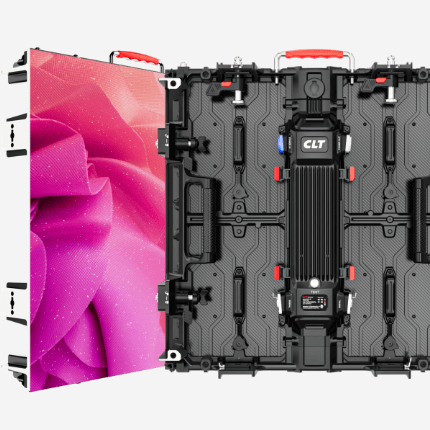
When selecting an LED poster screen for retail, consider the heat dissipation. Quality screens feature aluminum frames that act as efficient heat sinks. Overheating can lead to “dead pixels” or color shifting over time. Proper thermal management ensures your display lasts for over 100,000 hours.
Connectivity options allow you to manage multiple screens from a single location. Most modern units support Wi-Fi, Ethernet, and 5G connections in 2026. This allows for remote troubleshooting and content scheduling without visiting the store. A stable connection ensures your advertising remains synchronized across all branches.
Strategic Placement for Maximum Advertising ROI
The entrance of a store serves as a transition zone for the customer. Placing an LED poster screen for retail here helps set the tone. Use this space to highlight your most attractive current promotion. It helps guide the customer’s mindset toward specific product categories.
Point-of-sale (POS) areas are excellent for driving impulse purchases through digital signage. While customers wait in line, they are a captive audience for your messaging. Showcasing small, high-margin items can increase the average basket size. Digital posters at checkout can boost impulse sales by up to 20%.
Specific product aisles can use smaller digital screens to provide deeper information. For example, a screen in the electronics section can show a product in action. This helps overcome “analysis paralysis” by providing the facts customers need. It essentially acts as a silent salesperson that never gets tired.
Creating a Visual Path Through the Store
Digital posters can act as wayfinding tools in larger retail spaces. Use them to point the way to new collections or seasonal departments. This keeps the customer moving through the store and increases product exposure. Effective wayfinding leads to longer dwell times and higher sales.
Synchronized screens across the store can create a powerful brand atmosphere. When all screens display a unified theme, it reinforces the marketing message. This is particularly effective during holiday sales or major product launches. Unified visuals create a professional and high-end environment for shoppers.
Using Data to Refine Screen Placement
In 2026, many retailers use heat-mapping technology to find the best screen locations. These tools track where customers spend the most time standing still. Placing an LED poster screen for retail in these “hot zones” maximizes views. Data-driven placement ensures that your advertising budget is never wasted.
Analyzing sales data before and after screen installation is also vital. This helps you understand which locations drive the most conversions. If a screen in the back of the store isn’t performing, move it. Flexibility is one of the greatest advantages of portable LED posters.
Choosing the Right Digital Connectivity for Your Screens
Choosing the right hardware is only half the battle for a successful retail campaign. To truly scale your advertising, you must consider how these screens connect to your broader infrastructure. This is where the integration of IoT business platforms becomes essential for modern retailers. These platforms allow for the seamless management of hundreds of digital touchpoints.
An effective management system should provide real-time data on screen health and content playback. You need to know if a screen in a remote branch is offline instantly. Advanced platforms even offer audience analytics to track how many people looked at an ad. Centralized management is the key to maintaining a consistent global brand identity.
When determining if a system is right for you, look for “plug-and-play” compatibility. The system should integrate easily with your existing network security protocols. It should also offer a user-friendly interface for your marketing team to upload content. Reliable connectivity ensures your advertising is always displaying the right message.
Summary
An LED poster screen for retail is a powerful tool to modernize advertising and boost engagement in 2026. By focusing on strategic placement, high-quality technical specs, and integrated IoT management, retailers can drive significant growth. These dynamic displays offer the flexibility and visual appeal necessary to thrive in a competitive market. The shift to digital is no longer optional for successful retailers.
FAQ
1. How difficult is it to install an LED poster screen in a retail store?
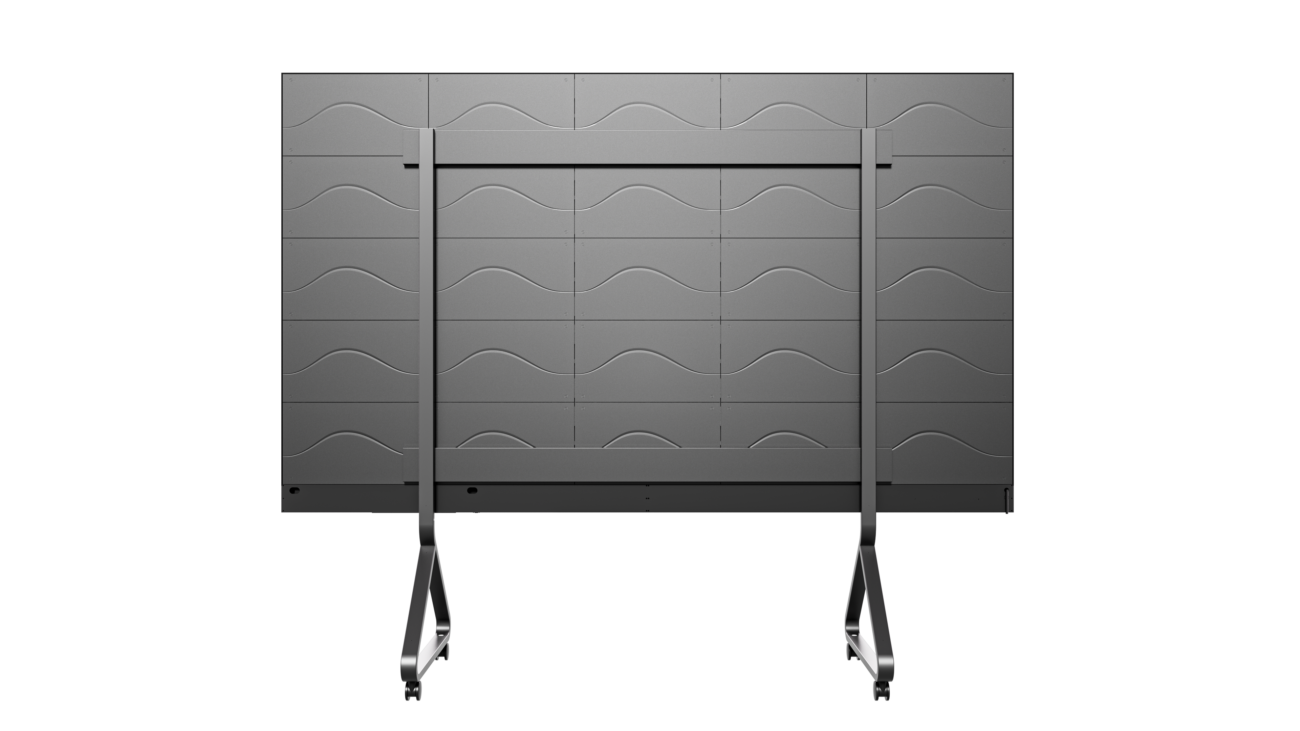
Most units are designed for quick and easy setup without professional help. A modern LED poster screen for retail usually features a “plug-and-play” design with floor stands. They can be moved around the shop floor as easily as a traditional mannequin.
2. What is the expected lifespan of a digital LED poster in 2026?
High-quality LED screens are built to last between 50,000 and 100,000 hours of continuous use. For a standard retail store, this translates to over a decade of reliable service. Regular software updates and proper ventilation help maintain the unit’s performance over time.
3. Can I manage multiple screens in different cities at once?
Yes, remote management is a standard feature for professional-grade digital signage. By utilizing cloud-based IoT platforms, you can update content across all your stores simultaneously. This ensures that every branch is running the same promotion at the same time.
4. Are these screens energy efficient enough for 24/7 operation?
LED technology in 2026 is highly efficient and consumes minimal power compared to older displays. Many models include automatic brightness sensors that dim the screen during closing hours. This reduces electricity costs while still keeping the store front looking active.
Reference Sources
Digital Signage Federation. The Global Impact of Digital Displays on Retail Sales.
IEEE Xplore. IoT Solutions for Integrated Digital Signage Networks.
Grand View Research. LED Display Market Size, Share, and Industry Analysis.