
Industrial IoT Connectivity Solutions: A Full Guide

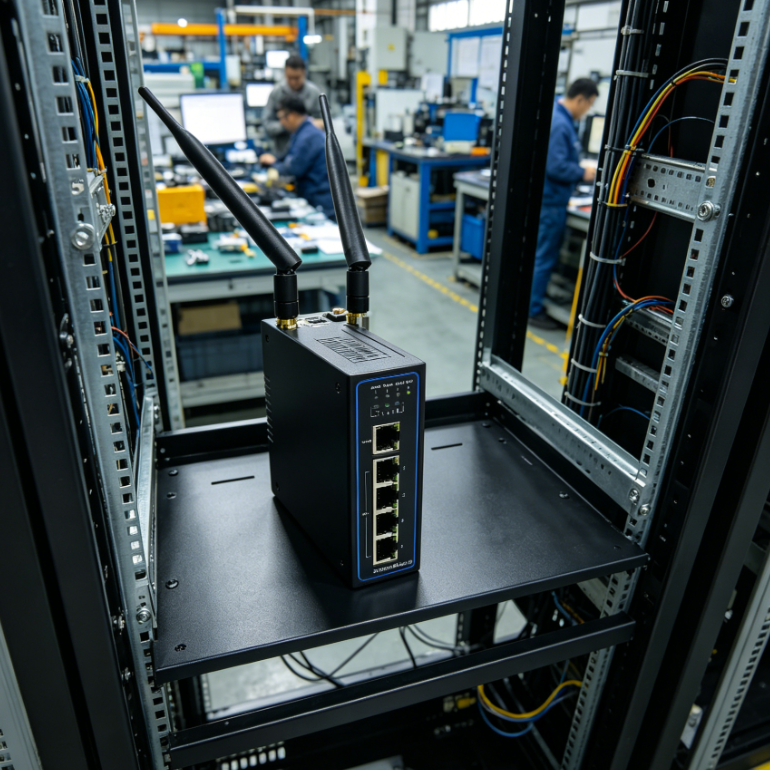
The manufacturing landscape is changing rapidly in 2026. Traditional factories are evolving into highly integrated smart environments. Central to this evolution are industrial IoT connectivity solutions. These systems allow machines to exchange data without human intervention.
Smart factories rely on these connections to optimize production lines. Real-time data transmission ensures that every component functions perfectly. Without a stable network, automation becomes impossible to manage.
Today, industrial IoT connectivity solutions serve as the nervous system of modern industry. They bridge the gap between physical hardware and digital control systems. This integration is vital for achieving high operational efficiency.
What are the benefits of industrial IoT connectivity solutions for smart factories?
The primary advantage is the ability to achieve total visibility. Industrial IoT connectivity solutions provide real-time monitoring of all assets. This allows managers to identify bottlenecks before they cause delays.
Predictive maintenance is another significant benefit in 2026. Connected sensors track the vibration and temperature of critical motors. This data helps schedule repairs before a breakdown occurs.
By 2026, smart factories using these solutions have reported a 20% increase in productivity. Lowering operational costs is a direct result of better data flow. Automation thrives when connectivity remains consistent and fast.
Safety is also enhanced through high-speed data exchange. Emergency stop systems respond in milliseconds across the entire network. This protects workers and expensive machinery from unexpected accidents.
Energy efficiency improves when machines communicate their power needs. Smart grids within the factory can balance loads based on real-time demand. This reduces waste and lowers the overall carbon footprint of the facility.
Key hardware for robust industrial IoT connectivity solutions
The hardware layer is the physical basis of any network. It includes specialized devices like industrial switches and robust gateways. These devices must endure extreme heat and electromagnetic noise.
Switching hardware directs data packets to their correct destinations. It prevents network congestion during peak production hours. Quality of service settings ensure that critical signals always arrive first.
The role of managed industrial switches
Managed industrial switches provide granular control over the network. Administrators can prioritize traffic for sensitive motion control applications. This ensures that safety data is never delayed by routine software updates.
In 2026, most smart factories prefer managed solutions for their advanced security features. These switches support virtual local area networks to isolate sensitive data. This reduces the risk of unauthorized access to production lines.
You can explore high-performance industrial switches to build a more resilient infrastructure. These devices are designed for long-term operation in dusty and humid conditions. They offer the reliability required for mission-critical industrial applications.
Industrial gateways and protocol conversion
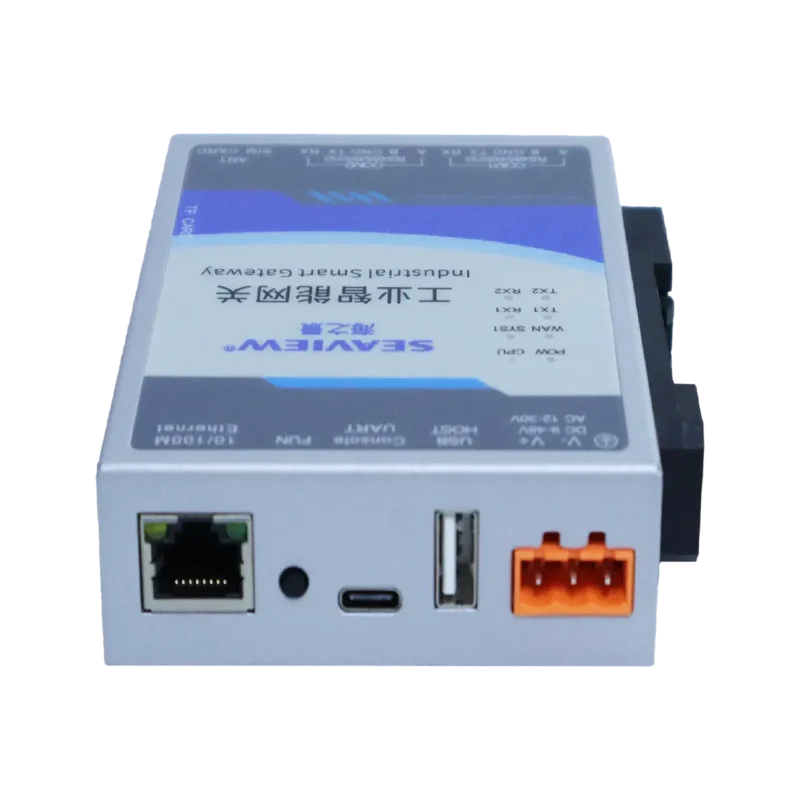
Gateways translate different communication languages between machines. They allow legacy equipment to talk to modern cloud platforms. This enables a unified view of the entire production process.
Modern gateways in 2026 often include edge computing capabilities. They process data locally to reduce latency and save bandwidth. This is essential for high-speed manufacturing environments.
Reliable gateways ensure that data from various sensors is standardized. This makes it easier for AI algorithms to analyze production trends. Connectivity is only useful if the data is readable and consistent.
Technical standards and protocols for 2026 networks
Protocols define the rules for data exchange in industrial IoT connectivity solutions. Common standards include EtherNet/IP, PROFINET, and Modbus TCP. Each protocol serves specific needs within the factory ecosystem.
Deterministic protocols are required for high-speed motion control. They guarantee that messages arrive at precise time intervals. This prevents mechanical errors in robotic assembly lines.
MQTT and OPC UA are popular for cloud-based data analysis. These protocols are efficient and highly secure. They allow for easy scaling as more devices join the network.
| Protocol | Typical Latency | Best Use Case | Industry Standard |
| PROFINET | < 1 ms | Motion Control | High |
| EtherNet/IP | 1-10 ms | Discrete Mfg | Very High |
| Modbus TCP | 10-50 ms | Process Control | Legacy |
| OPC UA | Varies | Cloud Integration | Universal |
Time sensitive networking in 2026
Time Sensitive Networking (TSN) is a breakthrough for industrial networks. It allows standard Ethernet to support real-time data delivery. This eliminates the need for expensive proprietary hardware.
In 2026, TSN is becoming the standard for unified factory communication. It enables different types of traffic to coexist on the same wire. This reduces cabling costs and simplifies network management.
TSN provides the synchronization needed for complex robotic tasks. Multiple robots can work together on a single workpiece with perfect timing. This level of precision is the hallmark of modern smart factories.
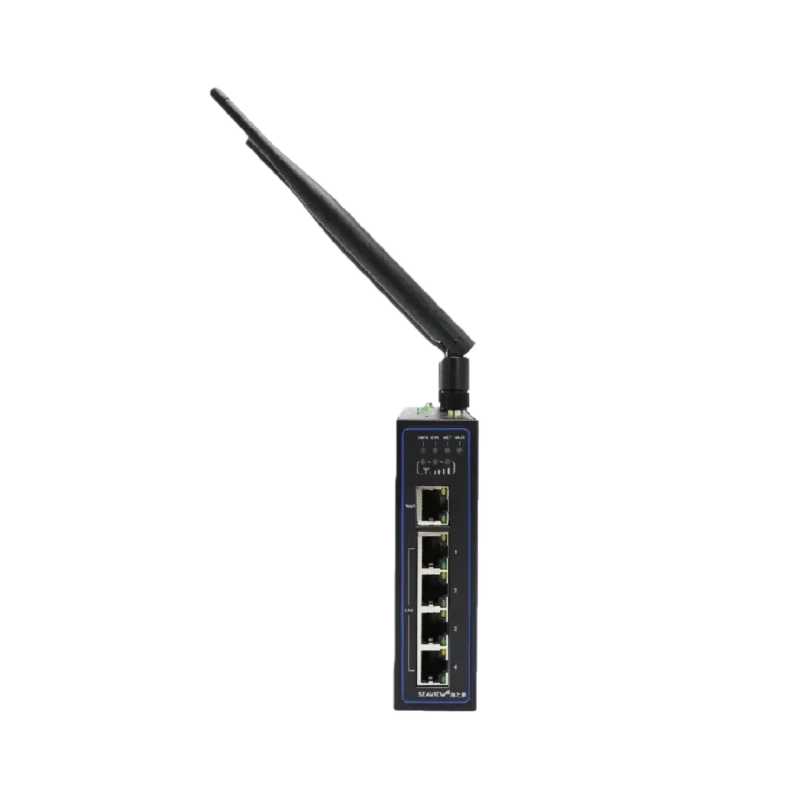
Designing scalable industrial IoT connectivity solutions
Growth is a primary goal for any manufacturing business. Your industrial IoT connectivity solutions must be able to scale easily. Modular hardware designs allow you to add ports as needed.
Consider the bandwidth limits of your current backbone infrastructure. Upgrading to 10-gigabit speeds provides a cushion for future data growth. This prevents the network from becoming a bottleneck.
Cloud-native management tools simplify the oversight of multiple sites. You can monitor factories in different countries from one location. This centralized control is essential for global manufacturing leaders.
Environmental hardening for maximum uptime
Factories are harsh environments for sensitive electronic equipment. Dust, moisture, and high temperatures are common challenges. Industrial IoT connectivity solutions use ruggedized enclosures to protect internal components.
IP67-rated devices can even withstand temporary submersion in water. Fanless cooling designs prevent dust from entering the circuitry. This extends the lifespan of the hardware significantly.
Solid-state components are preferred for their vibration resistance. Moving parts like cooling fans are prone to failure. Rugged hardware ensures continuous operation in heavy industrial zones.
Redundancy protocols and network recovery
Network failure can cost a factory thousands of dollars per minute. Therefore, industrial IoT connectivity solutions must include redundant paths. If one cable breaks, the system reroutes data instantly.
Ring topologies are frequently used in industrial settings. They provide a reliable way to connect multiple devices in a loop. Recovery times are often measured in milliseconds.
The use of high-quality industrial switches supports rapid recovery protocols like MRP. These protocols ensure that production never stops due to a single cable fault. Stability is the foundation of every successful smart factory.
How to choose the right connectivity infrastructure for your facility?
Choosing the right industrial IoT connectivity solutions requires careful planning. You must evaluate the physical constraints of your facility first. Consider the distance between your devices and the control center.
Fiber optic connections are ideal for long-range data transmission. They are also immune to electromagnetic interference from large motors. Copper wiring is more cost-effective for short distances within cabinets.
Port density is another important factor to consider. Ensure your switches have enough capacity for future growth. Scalability is essential for long-term success in smart manufacturing.
Look for devices with high Mean Time Between Failures ratings. This metric indicates the expected reliability of the hardware. Reliable hardware reduces the total cost of ownership over time.
Managed switches offer more control than unmanaged options. They allow you to create virtual networks for different departments. This improves both security and performance across the factory.
Always verify that the hardware supports the protocols you use. Compatibility is the key to a seamless integration process. Consult technical datasheets to confirm all specific feature requirements.
Selecting the best industrial-grade switches involves matching technical specs to your environment. Focus on temperature ratings and power redundancy features. This ensures your network stays online during power surges or extreme weather.
Power over Ethernet in modern connectivity
Power over Ethernet simplifies the installation of IIoT devices. It delivers electricity and data through a single copper cable. This reduces the need for complex electrical wiring.
Modern PoE standards can provide up to 90 watts per port. This is enough to power cameras, sensors, and wireless access points. It lowers overall installation costs by nearly 25% in 2026.
Using PoE also allows for centralized power management. Administrators can reboot remote devices through the network interface. This saves time and improves maintenance efficiency.
Summary
Industrial IoT connectivity solutions are the essential framework for 2026 smart factories. By integrating rugged industrial-grade switches and advanced protocols, manufacturers achieve unmatched reliability. These systems ensure that data flows securely and efficiently, supporting the next generation of industrial automation and growth.
FAQ
1. Why are industrial IoT connectivity solutions different from home Wi-Fi?
Industrial solutions are built for extreme durability and deterministic performance. They must handle high electrical interference and physical stress that would destroy home equipment. Furthermore, they prioritize reliability over simple ease of use.
2. Can I mix different brands of hardware in one network?
Yes, as long as the devices support standard communication protocols. Open standards like OPC UA ensure that different brands can work together seamlessly. However, using a single ecosystem can sometimes simplify the management software.
3. What is the impact of 5G on industrial IoT connectivity solutions?
5G provides the high speed and low latency needed for mobile robotics and massive sensor arrays. It allows for greater flexibility on the factory floor by reducing the need for cables. It complements wired Ethernet rather than replacing it entirely in 2026.
4. How do I protect my factory network from hackers?
You should use managed switches with built-in security features like access control lists. Implementing a strong firewall and keeping all firmware updated is also critical. Physical security for network cabinets is equally important to prevent unauthorized access.
5. Is fiber optic better than copper for industrial environments?
Fiber optic is superior for long distances and environments with high electrical noise. It provides much higher bandwidth and cannot be affected by electromagnetic interference. Copper is typically used for shorter runs due to its lower cost and easier installation.
Reference Sources
IEEE – Institute of Electrical and Electronics Engineers
International Society of Automation (ISA)