
What is a Smart Grid Communication Network?

The global transition to sustainable energy has accelerated rapidly by 2026. A smart grid communication network serves as the digital backbone of this transformation. It enables the bidirectional flow of both electricity and real-time information. This connectivity allows utility providers to monitor grid health with unprecedented precision.
Traditional electrical grids relied on one-way power delivery from central plants. Modern systems require more dynamic interaction between producers and consumers. A smart grid communication network facilitates this by integrating advanced digital technologies. It transforms a passive infrastructure into an intelligent, responsive ecosystem.
Reliability is the most critical attribute of any energy communication system. Data must move quickly to prevent outages and manage peak loads. By 2026, these networks have become essential for national energy security. They support the complex balancing acts required by volatile renewable energy sources.
How Does a Smart Grid Communication Network Function?
A smart grid communication network functions through a hierarchical architecture. This structure ensures that data travels efficiently from individual homes to central control rooms. Each layer of the network handles specific tasks and geographic areas. This modular approach allows for easier maintenance and system upgrades.
The first layer is the Home Area Network, which connects smart appliances. These devices provide granular data about energy consumption patterns. Users can adjust their habits based on real-time pricing signals. This transparency empowers consumers to reduce their overall electricity costs.
The middle layer is the Neighborhood Area Network, connecting multiple homes. This layer aggregates data from thousands of smart meters. It then transmits this information to local substations for further processing. High-speed links are necessary here to prevent data bottlenecks.
The top layer is the Wide Area Network, which spans entire cities. This layer handles long-distance data transmission to the utility’s headquarters. It requires robust infrastructure to maintain uptime during extreme weather events. By 2026, most wide-area links utilize high-capacity fiber or satellite systems.
Key Technologies for Smart Grid Communication Networks
Several technologies enable the high-speed data flow required by modern utilities. Fiber optics remain a primary choice for backbone connectivity due to their bandwidth. They provide a stable connection that is immune to electrical interference. This makes them perfect for the high-voltage environment of power plants.
Wireless technologies have seen massive growth in grid applications by 2026. Cellular standards like 5G offer low latency and high device density. This allows utilities to connect thousands of sensors without laying cables. Wireless solutions are particularly effective for monitoring remote assets in rural areas.
Power Line Communication technology is also widely used for residential metering. It utilizes the existing copper wires to carry digital information signals. While slower than fiber, it is cost-effective for large-scale deployments. It remains a staple for urban smart meter rollouts globally.
Why is Edge Intelligence Important?
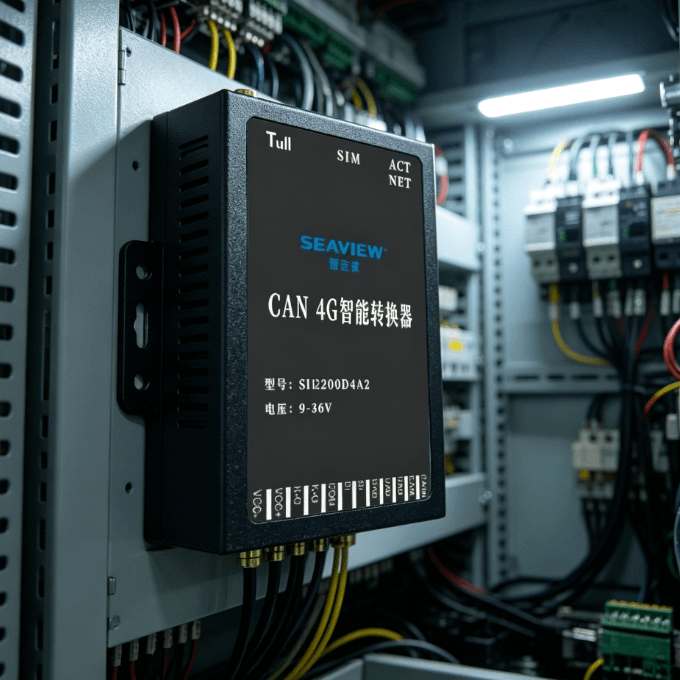
Data volume from millions of sensors can overwhelm central servers quickly. To solve this, utilities move processing power closer to the data source. Integrating 4G/5G edge computing gateways allows for localized decision-making and data filtering. This reduces the amount of raw data sent over the network.
Edge gateways can detect anomalies in local circuits within milliseconds. They can trigger protective relays before a minor fault becomes a blackout. This capability is vital for maintaining grid stability in 2026. Decentralized intelligence makes the smart grid communication network more resilient to failures.
These gateways also support protocol conversion for various industrial devices. They translate older legacy signals into modern, internet-compatible data formats. This ensures that even decades-old equipment can participate in the smart grid. Such flexibility is essential for the phased modernization of energy assets.
How Does Wireless Data Transmission Benefit Utilities?
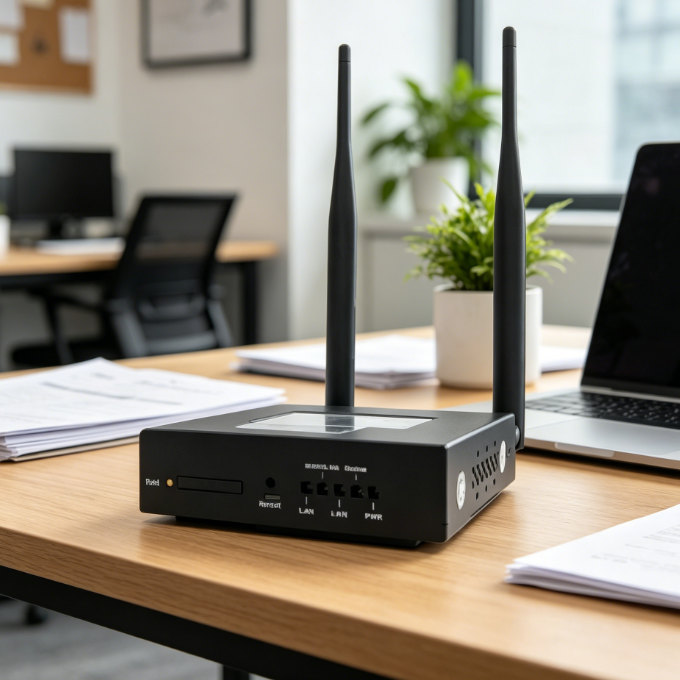
Remote monitoring of transformers and switches requires consistent connectivity. Using industrial wireless data terminals (DTU) simplifies the process of data collection from isolated sites. These terminals offer a transparent bridge between the equipment and the control center. They are designed to survive the harsh outdoor conditions of the utility sector.
Modern data terminals support multiple frequency bands for global compatibility. They often include dual-SIM functionality to provide network redundancy in 2026. If one carrier fails, the device automatically switches to a backup. This ensures that critical monitoring data is never lost.
Low power consumption is another advantage of specialized wireless terminals. Many units can operate on solar power or small batteries for years. This makes them ideal for monitoring environmental sensors or rural distribution lines. They provide the reach needed for a truly comprehensive smart grid communication network.
Hardware Requirements for Robust Smart Grid Communication
The electrical environment is uniquely challenging for standard networking hardware. High-voltage equipment creates significant electromagnetic interference that can disrupt signals. Therefore, a smart grid communication network requires specialized, ruggedized components. These devices must operate reliably across a wide range of temperatures.
Substation environments demand hardware that meets the IEC 61850-3 standard. This certification ensures the equipment can withstand surges and vibrations. Standard commercial routers would likely fail within weeks in such settings. Investing in industrial-grade hardware is a prerequisite for long-term grid stability.
Security is another pillar of hardware requirements in 2026. Every device must support hardware-level encryption to protect sensitive energy data. Unauthorized access to the network could lead to catastrophic physical damage. Robust authentication protocols are mandatory for every node in the system.
The Role of High-Speed Industrial Switching?
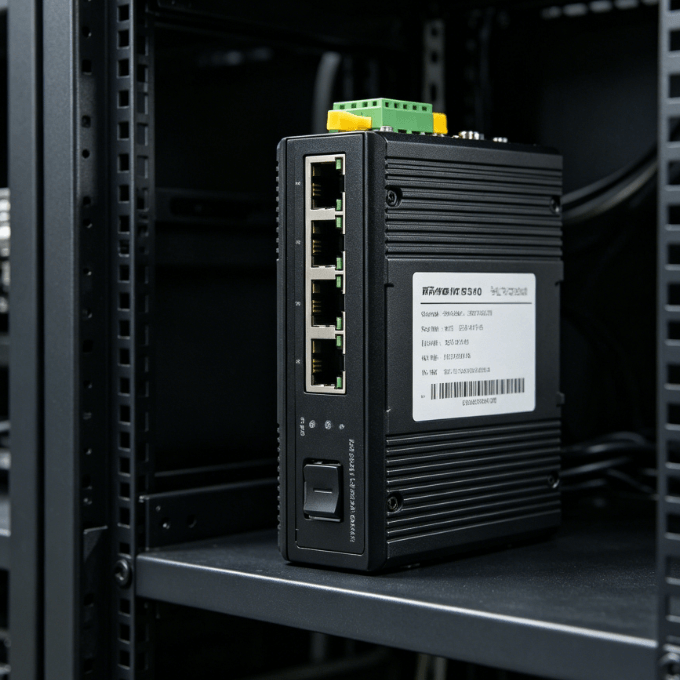
Internal substation communications require extremely high reliability and low jitter. Implementing industrial switches ensures that data packets reach their destination on time. These switches prioritize critical protection traffic over routine monitoring data. This prioritization is essential for the safety of high-voltage systems.
Industrial switches feature fanless designs to prevent dust accumulation and failure. They are housed in metal enclosures that dissipate heat efficiently. Most models support DIN-rail mounting for easy installation in standard control cabinets. This physical durability matches the long lifecycles expected in the power industry.
Redundancy protocols like RSTP or ERPS are standard in these devices. They allow the network to recover from a broken link in milliseconds. This self-healing capability prevents a single point of failure from causing a blackout. A well-designed smart grid communication network relies on these switches for internal coordination.
| Technology Type | Key Function in 2026 | Deployment Level | Typical Latency |
| Fiber Optics | Backbone WAN | National / Regional | < 5 ms |
| 5G Wireless | NAN / Distribution | Local Neighborhoods | 10 – 20 ms |
| Industrial DTU | Remote Monitoring | Rural / Isolated Assets | 50 – 100 ms |
| Edge Gateways | Local Automation | Substation / Industrial | < 10 ms |
Challenges in Implementing Smart Grid Communication
Interoperability remains a significant hurdle for many utility providers in 2026. Different manufacturers often use proprietary protocols that do not communicate easily. Establishing common standards is necessary for a truly integrated energy network. Global organizations are working to harmonize these protocols for better compatibility.
The cost of upgrading legacy infrastructure is another major challenge. Many parts of the existing grid were built decades before the internet. Retrofitting these assets requires careful planning and significant capital investment. Utilities must balance the need for modernization with the cost to consumers.
Cybersecurity threats are evolving faster than many defensive measures. A smart grid communication network creates a larger attack surface for hackers. Protecting millions of connected devices requires constant vigilance and frequent software updates. Security must be integrated into every layer of the network design.
How to Select Hardware for Your Smart Grid Architecture?
Choosing the right equipment depends on the specific environmental stressors present. For high-interference areas, prioritize devices with superior shielding and isolation. Ensure that any industrial switches you select carry the necessary utility-grade certifications. This prevents premature hardware failure and reduces long-term maintenance costs.
Consider the scalability of your communication hardware for future growth. By 2026, data traffic is expected to grow by 25% annually in many regions. Selecting 4G/5G edge computing gateways with modular ports allows for easier expansions. This approach protects your initial investment as technology continues to evolve.
Remote sites require hardware that can operate autonomously for long periods. Look for industrial wireless data terminals (DTU) that offer robust remote management features. The ability to update firmware over-the-air is essential for large-scale deployments. This eliminates the need for expensive technician visits to remote or dangerous locations.
Finally, evaluate the software ecosystem provided by the hardware manufacturer. Robust management platforms help monitor the health of the entire network. Integrated security features like firewalls and VPN support should be standard. A holistic hardware and software strategy ensures a resilient and secure grid.
Summary
A smart grid communication network is the essential infrastructure that enables modern energy management. It combines high-speed industrial switches with intelligent 4G/5G edge computing gateways to ensure reliable data flow. These technologies allow utilities to integrate renewables and improve efficiency by 2026. Successful implementation provides the stability and security required for the future of global power.
FAQ
1. What are the primary benefits of a smart grid communication network?
A smart grid communication network improves energy efficiency and reduces operational costs. It enables utilities to detect faults automatically and restore power faster. Consumers benefit from more accurate billing and the ability to track their usage. Ultimately, it supports the integration of clean energy sources into the existing power system.
2. How does 5G technology impact the smart grid in 2026?
5G provides the ultra-low latency required for real-time grid control and automation. It supports a high density of connected sensors, which is necessary for smart cities. By 2026, 5G has become the preferred wireless standard for connecting distributed energy resources. It allows for faster response times during sudden changes in electricity demand.
3. What is the difference between a DTU and a gateway in a smart grid?
A DTU focuses on transparent data transmission from remote sensors to a central server. It acts as a simple bridge for data without performing complex local processing. In contrast, a gateway often includes edge computing capabilities to analyze data locally. Gateways are more suitable for applications that require localized decision-making and protocol translation.
4. How do industrial switches differ from standard office switches?
Industrial switches are built with ruggedized components to withstand extreme temperatures and electrical noise. They lack internal fans to prevent mechanical failure in dusty or humid environments. These switches also support specialized redundancy protocols that ensure zero-packet loss during link failures. They are essential for the high-reliability requirements of power substations.
Reference Sources
National Institute of Standards and Technology – NIST Smart Grid Framework 4.0
International Energy Agency – Smart Grids Tracking Report 2026