
What is 5G Edge Computing in Industrial Automation?

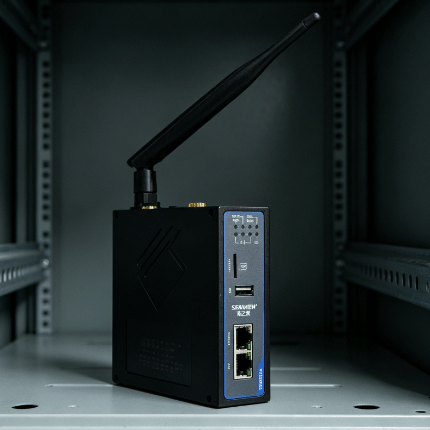
The global manufacturing landscape is undergoing a massive digital shift in 2026. Traditional networking solutions often struggle with the high demands of modern smart factories. 5G edge computing industrial automation represents the convergence of high-speed wireless connectivity and localized data processing.
In a typical industrial setting, thousands of sensors generate massive amounts of data every second. Relying solely on centralized cloud systems creates significant latency issues for critical tasks. 5G edge computing industrial automation solves this by moving computational power closer to the data source.
This ensures that critical industrial processes remain responsive and highly efficient at all times. Businesses can now implement advanced robotics and autonomous systems with unprecedented precision. The technology provides a scalable foundation for future technological growth and operational excellence.
What is the Role of 5G Edge Computing in Industrial Automation?
The integration of 5G technology provides the necessary bandwidth for massive device connectivity. Edge computing adds the intelligence required to filter and analyze this data locally. Together, they form the backbone of the next industrial revolution in 2026.
How does 5G Enhance Connectivity?
5G networks offer ultra-reliable low-latency communication that is essential for machine-to-machine interaction. This allows for the seamless transfer of large data packets across the factory floor. It supports a density of up to one million devices per square kilometer.
Why is Edge Computing Necessary?
Edge computing reduces the physical distance that data must travel for processing. By handling data at the network edge, systems avoid the delays of long-distance transmission. This setup is crucial for applications requiring sub-10 millisecond response times.
How do They Work Together?
The 5G network acts as a high-speed highway for raw industrial data. The edge node acts as a local processing center that makes immediate decisions. This combination allows for a fully synchronized and autonomous production environment.
Key Benefits of 5G Edge Computing for Industrial Automation?
The most significant advantage of 5G edge computing industrial automation is the drastic reduction in latency. In high-speed assembly lines, a delay of even 50 milliseconds can cause errors. 5G networks in 2026 are designed to support latencies as low as 1 millisecond.
| Performance Metric | Traditional Cloud Systems | 5G Edge Computing (2026) |
| Data Latency | 50ms – 200ms | 1ms – 10ms |
| Connection Density | 10k devices / km² | 1M devices / km² |
| Bandwidth Efficiency | Lower (Raw data overhead) | Higher (Local filtering) |
| Reliability Rate | 99.9% | 99.999% |
| Energy Consumption | High (Continuous transmission) | Low (Optimized duty cycles) |
How does it Improve Real-Time Control?
Low latency allows for the near-instantaneous synchronization of multi-axis robots. Operators can control machinery remotely with zero perceived lag in the feedback loop. This capability is vital for maintaining worker safety and equipment integrity.
What are the Security Advantages?
Data security is a critical benefit for modern industrial facilities in 2026. Storing and processing sensitive operational data locally reduces the attack surface for cyber threats. Data does not have to travel across the public internet to reach a distant center.
How does it Impact Operational Costs?
By processing data locally, companies significantly reduce their backhaul bandwidth costs. Not every piece of raw sensor data needs to reach the main cloud. The edge node filters out noise and only sends important summaries to management.
Use Cases Reshaping the Manufacturing Landscape in 2026?
Autonomous Mobile Robots (AMRs) are a prime example of this technology in action today. These robots require constant updates on their environment to navigate safely and efficiently. 5G edge computing industrial automation provides the low latency needed for obstacle avoidance.
How are AMRs Transformed?
Centralized edge controllers can manage a fleet of dozens of robots simultaneously. This ensures smooth logistics without the risk of collisions or traffic jams. Robots can now adapt to floor changes in real-time without manual reprogramming.
What is the Role of Augmented Reality?
Augmented Reality (AR) for maintenance is another transformative use case in 2026. Technicians wear AR glasses that overlay digital instructions onto physical machinery. This requires high bandwidth to stream high-resolution 3D models without any lag.
How is Quality Inspection Improved?
High-resolution cameras capture images of products moving at high speeds on belts. The edge gateway uses AI models to identify defects in real-time. Only images of defective parts are sent to the cloud for further training.
How to Select the Right Edge Computing Gateways?
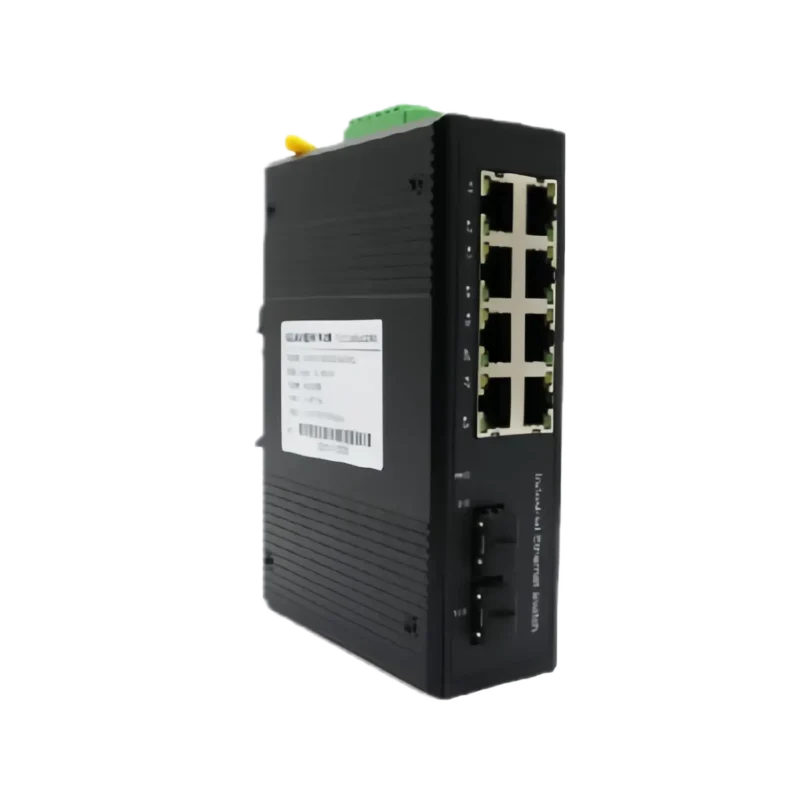
Choosing the correct hardware is vital for a successful 5G edge computing industrial automation strategy. The gateway acts as the bridge between your industrial equipment and the network. It must support various industrial protocols like Modbus, MQTT, and OPC UA.
Environmental durability is another factor that determines the success of your deployment. Industrial environments are often harsh, involving extreme temperatures and electromagnetic interference. You must look for gateways with industrial-grade certifications and ruggedized enclosures.
The processing power at the edge is the final piece of the puzzle. The gateway must have enough CPU and memory to run local analytics. When evaluating your infrastructure, consider high-performance 4G/5G edge computing gateways for reliable connectivity. These devices ensure your factory remains competitive in an increasingly digital world.
Summary
5G edge computing industrial automation is the essential fusion of high-speed connectivity and local intelligence. It solves the critical challenges of latency, bandwidth, and security in 2026 manufacturing. By implementing these technologies, businesses achieve higher efficiency, better safety, and data-driven insights for long-term growth.
FAQ
3. What is the difference between 5G and Edge Computing?
5G is the communication standard that provides high-speed wireless connectivity. Edge computing is the architecture that processes data locally near the source. Together, they enable 5G edge computing industrial automation for smart factories.
4. Why is low latency critical for automation in 2026?
Latency refers to the time delay in data transmission and processing. In high-speed automation, even a tiny delay can lead to desynchronization. 5G edge computing reduces this delay to ensure real-time response and precision.
5. Can I use 5G edge computing with legacy factory machines?
Yes, you can use industrial edge gateways to bridge the gap. These gateways collect data from older machines using traditional serial or Ethernet protocols. They then transmit this data over a modern 5G network.
6. Is edge computing more secure than traditional cloud methods?
It is generally considered more secure because sensitive data remains on-site. This reduces the need to transmit data across the public internet. Localized processing gives manufacturers greater control over their proprietary information.
7. How does this technology support predictive maintenance?
It allows for the continuous monitoring of machine health through high-frequency sensors. The edge system analyzes this data in real-time to detect wear patterns. It notifies operators before a breakdown occurs, saving significant repair costs.
Reference Sources
GSMA (Global System for Mobile Communications Association). 5G and the Future of Manufacturing.
Gartner. Top Strategic Technology Trends in Edge Computing.
5G-ACIA (5G Alliance for Connected Industries and Automation). 5G for Connected Industries.