
Why Industrial Ethernet Switches Matter in Smart Mfg

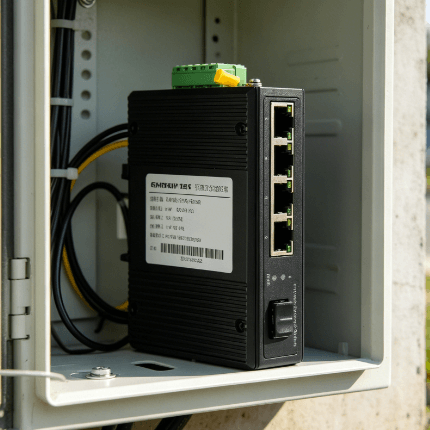
Smart manufacturing is the primary driver of production efficiency in 2026. It relies on a continuous stream of data from every corner of the factory. At the heart of this digital ecosystem is the industrial ethernet switch.
This device manages the massive traffic generated by modern automation systems. It ensures that sensors, controllers, and robots communicate without interruption. Without a robust industrial network switch, the promise of Industry 4.0 remains out of reach.
Standard networking gear cannot survive the rigors of a factory floor. Heat, dust, and electrical noise destroy consumer-grade equipment within months. In 2026, manufacturers prioritize specialized hardware built for extreme conditions.
What defines an industrial ethernet switch?
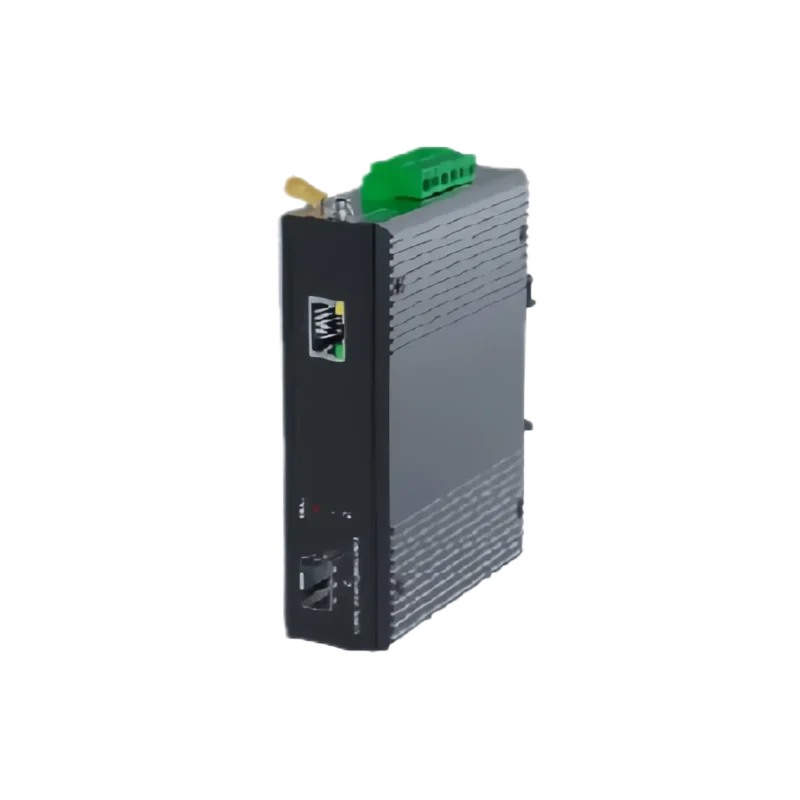
An industrial ethernet switch is a specialized device designed for harsh industrial environments. It connects multiple ethernet-enabled devices together into a single, cohesive network. These units are built to much higher standards than typical office switches.
Most of these devices feature rugged metal enclosures rather than plastic. This choice of material helps with heat dissipation in warm factory settings. It also protects the internal electronics from physical impacts or falling debris.
An industrial network switch typically lacks internal cooling fans. Fans are often the first component to fail due to dust or grease. By using passive cooling, these switches achieve much higher reliability and longer service lives.
How does hardware durability differ in 2026?
Modern switches utilize high-grade components that resist thermal stress. They often operate in temperatures ranging from -40°C to 75°C. This allows them to function in unconditioned warehouses or outdoor utility cabinets.
Vibration resistance is also a key design priority for these devices. Factory floors often experience constant mechanical movement from heavy machinery. An industrial ethernet switch uses reinforced internal connections to prevent data loss.
Many models include IP30 or higher ingress protection ratings. These ratings prove the device can resist solid objects or moisture. Such protection is vital for maintaining uptime in 2026 manufacturing plants.
What are the software capabilities of these switches?
Beyond physical toughness, these switches offer advanced traffic management features. They support specialized industrial protocols like PROFINET, EtherNet/IP, and Modbus TCP. This ensures seamless integration with programmable logic controllers and human-machine interfaces.
Managed switches allow administrators to prioritize critical control traffic. This prevents low-priority data from slowing down essential safety signals. It ensures that emergency stop commands always reach their destination instantly.
Security is another major focus for the 2026 industrial network switch. They include features like port security and access control lists. These tools help prevent unauthorized personnel from interfering with production lines.
Key benefits of an industrial network switch in 2026?
The primary benefit of using this hardware is the elimination of unplanned downtime. Research shows that unexpected outages can cost manufacturers over $22,000 per minute. An industrial ethernet switch provides the stability needed to avoid these losses.
Data integrity is another significant advantage for modern smart factories. Electrical noise from large motors often corrupts signals in standard cables. Industrial network switches feature enhanced shielding to maintain clear communication channels.
These devices also facilitate the rapid growth of the Industrial Internet of Things. They provide the bandwidth necessary for thousands of connected sensors. This scalability allows factories to expand their digital capabilities without replacing infrastructure.
| Feature | Commercial Switch | Industrial Network Switch |
| Operating Temp | 0°C to 40°C | -40°C to 75°C |
| Casing | Plastic | Rugged Metal |
| Redundancy | Limited (STP) | Advanced (ERPS, Ring) |
| Power Input | Single AC | Dual Redundant DC |
| Cooling | Internal Fans | Fanless Convection |
| Mounting | Desktop | DIN-Rail/Wall |
How does redundancy enhance network uptime?
Network redundancy ensures that a single cable failure does not stop production. Most industrial ethernet switches support rapid ring topology protocols. If one link breaks, the network reroutes traffic in under 50 milliseconds.
This speed is crucial for maintaining synchronization between high-speed machines. Standard redundancy protocols are often too slow for industrial applications. Modern switches in 2026 offer near-instant recovery to keep lines moving.
Dual power inputs also contribute to this high level of availability. If the primary power source fails, the switch draws from a secondary source. This prevents a simple electrical fault from crashing the entire network.
Why is data integrity vital for smart manufacturing?
Smart manufacturing relies on high-resolution data for predictive maintenance. If data packets are lost, the analytical models become inaccurate. An industrial network switch ensures that every packet arrives exactly as intended.
Electromagnetic interference is a constant threat in industrial settings. High-voltage lines and welding equipment create massive electrical fields. These switches are specifically tested to operate reliably in these noisy environments.
Low latency is equally important for real-time robotic control systems. Any delay in the network can cause a robot to miss its target. Using an industrial ethernet switch minimizes jitter and ensures consistent performance.
Comparing industrial and commercial networking solutions
The differences between these two categories go beyond simple aesthetics. A commercial switch is designed for a controlled office environment. In contrast, an industrial network switch is a piece of heavy-duty machinery.
Commercial switches often lack the necessary mounting options for factory use. They typically require flat shelves or standard server racks. Industrial versions use DIN-rail or wall mounts for easier installation in control cabinets.
The lifespan of these devices is another major point of comparison. A standard switch may need replacement every three to five years. An industrial ethernet switch is often rated for over ten years of continuous use.
What are the environmental operating ranges?
Temperature extremes can cause standard networking hardware to freeze or crash. In 2026, many production facilities are not fully climate-controlled. This makes wide-temperature support a non-negotiable requirement for networking hardware.
Humidity is another factor that damages sensitive electronic components. Industrial switches often feature conformal coating on their internal circuit boards. This thin layer protects against moisture, salt spray, and corrosion.
High altitudes or dusty environments also pose challenges for standard gear. Fanless designs allow the industrial network switch to work in thin air. It also prevents the buildup of static-charged dust inside the device.
How do power management and longevity compare?
Power stability is rarely guaranteed in a heavy manufacturing facility. Voltage spikes and dips can occur whenever a large machine starts up. Industrial switches include wide-range DC inputs to handle these fluctuations.
Most commercial gear relies on a single internal power supply unit. If that unit fails, the entire switch becomes a useless brick. Industrial models utilize external power sources and redundant inputs to maximize uptime.
The Mean Time Between Failures (MTBF) for industrial gear is remarkably high. Some high-end industrial ethernet switches boast ratings of 500,000 hours or more. This long-term reliability justifies the higher initial investment for most companies.
How to select the right industrial ethernet switch for your facility?
Selecting the proper hardware requires a deep understanding of your operational needs. You must first determine the number of devices that require network access. This helps you choose between 5-port, 8-port, or high-density 24-port models.
You should also decide if your devices need Power over Ethernet (PoE). PoE allows the industrial ethernet switch to provide power and data via one cable. This is ideal for mounting cameras or wireless access points in remote areas.
Finally, consider whether you need a managed or unmanaged switch. Unmanaged switches are simple and cost-effective for basic connectivity tasks. Managed switches provide the control and security necessary for complex, multi-site networks.
When designing a modern production environment, selecting reliable hardware is the first step. You should look for equipment that offers the specific port speeds your machines require. It is also important to verify that the hardware supports your existing industrial protocols.
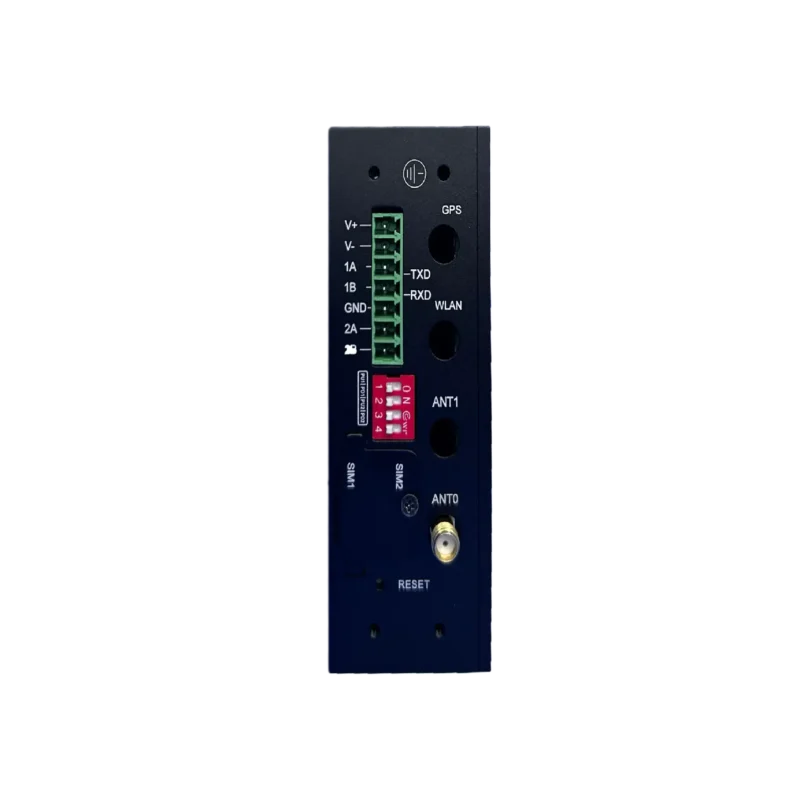
Evaluating the physical constraints of your control cabinets will guide your choice. Many facilities in 2026 prefer compact DIN-rail models to save precious space. Choosing high-performance industrial ethernet repeaters or switches ensures that your network can scale effectively. Reliable networking remains the most critical investment for any smart manufacturing transformation project.
Summary
In 2026, the industrial ethernet switch remains the backbone of every successful smart factory. These devices provide the ruggedness, reliability, and speed required for modern automation. By choosing a high-quality industrial network switch, manufacturers can minimize downtime and maximize their long-term production efficiency.
FAQ
1. Can I use a standard office switch in a factory?
You should not use office switches in a factory environment. These devices lack the necessary protection against heat, dust, and electrical interference. A standard switch will likely fail prematurely, leading to expensive production delays and hardware replacement costs.
2. What is the benefit of a fanless design in 2026?
A fanless design increases the reliability of an industrial ethernet switch significantly. Fans are mechanical parts that eventually wear out or get clogged with debris. By using passive cooling, the switch eliminates a common point of failure and reduces maintenance.
3. How does PoE help in industrial networking?
Power over Ethernet (PoE) simplifies the installation of remote network devices. It allows an industrial network switch to send electricity through the same cable as data. This reduces the need for extra power outlets and electrical wiring on the factory floor.
4. What is a “Managed” industrial network switch?
A managed switch gives you software control over every port and data stream. You can set up security rules, monitor traffic health, and create redundant network paths. This level of control is essential for complex smart manufacturing systems in 2026.
5. Why is vibration resistance important?
Vibration resistance prevents physical damage to internal components and connections. Constant movement from machinery can loosen solder joints or disconnect cables over time. An industrial ethernet switch is built to withstand these forces, ensuring a stable connection 24/7.
Reference Sources
Cisco Systems Industrial Ethernet Infrastructure and IoT Solutions
International Society of Automation (ISA) Automation Standards for Control Systems and Security