
Industrial DTU Device Features for Smart Factories

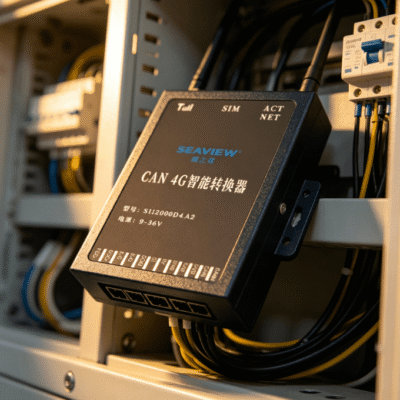
The rapid expansion of the Industrial Internet of Things (IIoT) requires reliable communication between field hardware and cloud platforms. At the center of this connectivity is the industrial DTU device, a specialized hardware unit designed for transparent data transmission. Unlike standard consumer modems, these devices convert serial data from sensors into IP-based packets for wireless networks. They ensure that critical operational data reaches control centers without interruption or corruption.
Smart factories rely on these units to monitor production lines, energy consumption, and machine health in real-time. By utilizing cellular networks like 4G LTE or 5G, an industrial DTU device overcomes the limitations of traditional wired infrastructure. It provides a scalable solution for remote monitoring in environments where laying cables is expensive or physically impossible. These devices are engineered to handle the rigorous demands of manufacturing plants and outdoor utility sites.
The primary function of an industrial DTU device involves establishing a permanent online connection with a data service center. When a sensor triggers a signal, the DTU processes the serial input and transmits it via a wireless gateway. This process allows operators to manage thousands of distributed nodes from a single interface. Modern DTUs also feature advanced security protocols to protect sensitive industrial data from external cyber threats.
What Are the Core Functions of an Industrial DTU Device?
An industrial DTU device serves as a protocol converter and communication bridge. Its first core function is supporting multiple serial interfaces, typically RS232, RS485, and sometimes RS422. These interfaces allow the device to connect with legacy PLCs, flow meters, and environmental sensors. The DTU converts the Modbus RTU or other serial protocols into TCP/IP or UDP packets for internet transmission.
Another essential function is the “always-online” capability. Industrial environments require constant monitoring, so the industrial DTU device includes heartbeat packets and auto-reconnection logic. If the cellular signal drops, the device automatically attempts to re-establish the link. This prevents data loss during critical production windows and ensures high system availability.
Data encryption and secure transmission are also fundamental features. Most professional-grade DTUs support VPN tunnels, including PPTP, L2TP, and IPsec, to create secure pathways. They also utilize APN/VPDN private networks to isolate industrial traffic from the public internet. This multi-layered security approach is vital for protecting infrastructure from unauthorized access or data breaches.
| Feature Category | Technical Specification | Benefit for Smart Factories |
| Communication | 4G LTE / 5G / NB-IoT | High-speed, low-latency data transfer |
| Interfaces | RS232 / RS485 / RS422 | Compatibility with legacy and new hardware |
| Durability | -40°C to +85°C Operating Temp | Reliable performance in extreme heat or cold |
| Security | VPN / APN / VPDN Support | Protection against cyber attacks and leaks |
| Management | Remote Cloud Configuration | Reduced maintenance costs and site visits |
Electromagnetic Compatibility and Rugged Design
To operate effectively in factory settings, an industrial DTU device must possess high electromagnetic compatibility (EMC). Factories are filled with electrical noise from high-voltage motors and welders. High-quality DTUs feature Level 3 or Level 4 ESD protection and surge protection for power and signal lines. This ensures the internal circuitry remains undamaged during sudden voltage spikes or static discharges.
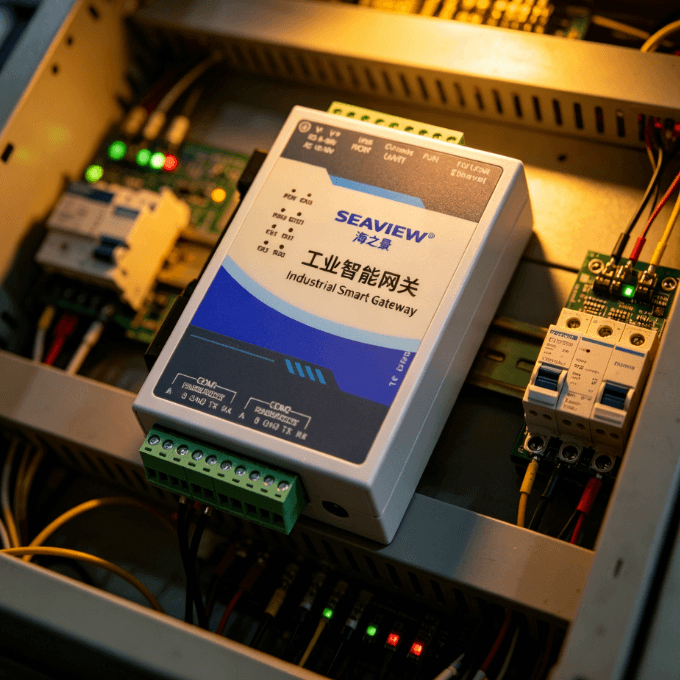
Power efficiency is another critical specification, especially for remote sites using solar or battery power. Many industrial DTU device models operate on a wide voltage range, such as 5V to 36V DC. They often feature low-power modes where the device enters a sleep state during periods of inactivity. This reduces energy consumption by up to 70% while maintaining the ability to wake up instantly for data transmission.
Bandwidth and latency are increasingly important as factories integrate high-resolution monitoring. Modern 4G and 5G DTUs offer download speeds exceeding 150 Mbps and latency as low as 20 milliseconds. This performance level supports real-time feedback loops and synchronized control across multiple production cells. Reliable wireless data terminals are now essential for maintaining the 99.9% uptime required by modern industrial standards.
Why High-Performance Connectivity Matters for Industrial Automation
In the context of Industry 4.0, data is the most valuable asset for optimizing operational efficiency. An industrial DTU device facilitates the collection of granular data that drives predictive maintenance strategies. By analyzing vibration and temperature trends, systems can predict motor failures before they occur. This transition from reactive to proactive maintenance can reduce unplanned downtime by approximately 30% to 50%.
Scientific studies in industrial networking show that signal stability directly impacts overall equipment effectiveness (OEE). A high-performance industrial DTU device minimizes packet loss to less than 0.1% under normal operating conditions. Low packet loss ensures that control commands sent from the cloud are executed accurately by field actuators. This precision is mandatory for high-speed packaging lines and precision machining centers.
Furthermore, these devices enable centralized management of geographically dispersed assets. A single technician can update the firmware of hundreds of industrial DTU device units via a centralized cloud platform. This remote capability eliminates the need for expensive on-site travel and manual troubleshooting. It allows companies to scale their IoT deployments rapidly across different regions or global manufacturing sites.
Data Integrity and Protocol Conversion
Protocol conversion is the silent engine of the smart factory. An industrial DTU device often manages the translation between Modbus RTU and MQTT or HTTP. This allows older machinery to speak the language of modern cloud analytics platforms. Without this translation, data silos would prevent the factory from achieving full digital integration.
Advanced DTUs also include data caching features. If the wireless network is temporarily unavailable, the industrial DTU device stores the incoming sensor data in its internal buffer. Once the connection is restored, it uploads the cached information to ensure no historical data gaps. This feature is critical for compliance in industries like pharmaceuticals or food production.
How to Determine the Right Industrial DTU for Your Operations
Selecting the appropriate industrial DTU device requires an evaluation of your specific environment and data requirements. You should first consider the physical mounting requirements, such as DIN-rail or wall-mount options. Space is often limited inside electrical cabinets, making compact designs highly desirable. Ensure the device housing is made of industrial-grade metal to provide adequate heat dissipation and impact resistance.
Another factor is the communication protocol used by your existing machinery. If your sensors use Modbus RTU, choose a DTU that supports Modbus-to-JSON or Modbus TCP conversion. This feature simplifies integration with modern MQTT brokers or cloud platforms like AWS and Azure. You should also verify if the device supports dual-SIM cards for network redundancy.
When exploring specialized industrial wireless data terminals, it is important to check the technical parameters provided by the manufacturer. These terminals must offer a user-friendly configuration tool and support for remote debugging. You can find a wide range of high-performance industrial wireless data terminals (DTU) designed to meet these exact industrial standards. Assessing these criteria ensures that your hardware can withstand electrical interference and maintain high-speed transmission.
The Future of Industrial Wireless Data Terminals
The evolution of the industrial DTU device is moving toward edge computing and AI integration. Future units will not only transmit data but also process it locally to reduce cloud storage costs. By filtering noise at the edge, only significant data events are sent to the central server. This “smart” transmission saves bandwidth and improves the speed of local decision-making processes.
As smart factories become more autonomous, the demand for 5G-enabled DTUs will surge. These devices will provide the ultra-reliable low-latency communication (URLLC) needed for collaborative robots and AGVs. The integration of enhanced security chips within the hardware will also become standard. These chips provide hardware-level encryption that is significantly harder to breach than software-based solutions.
The integration of an industrial DTU device is a fundamental step for any business pursuing digital transformation. These devices bridge the gap between physical hardware and digital intelligence. By choosing a high-quality terminal, manufacturers ensure their infrastructure is ready for the challenges of the next industrial revolution. Reliable connectivity remains the backbone of every successful smart factory initiative worldwide.
Summary
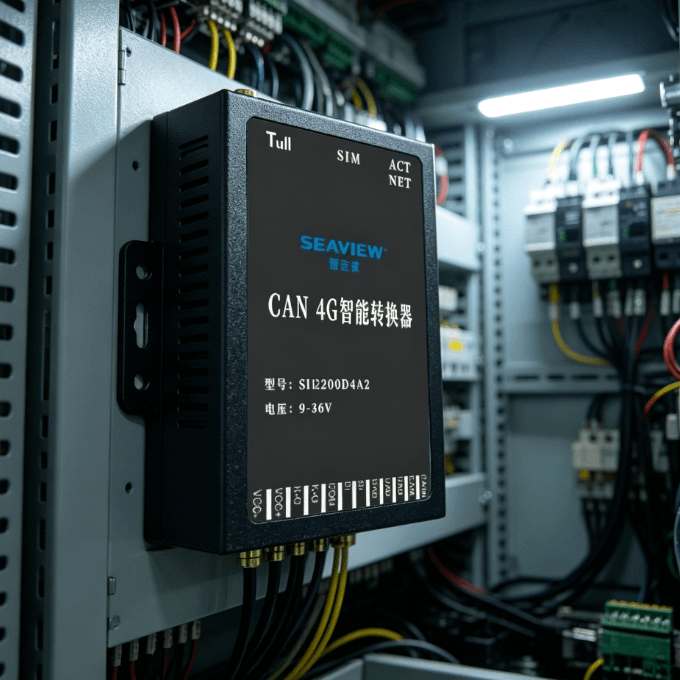
An industrial DTU device is essential for converting serial data into wireless signals for smart factory monitoring. It provides secure, “always-online” connectivity for PLCs and sensors. By selecting devices with high EMC protection and VPN support, industries can ensure reliable data transmission and improved operational efficiency.
FAQ
1. What is the difference between an industrial DTU and a standard modem?
An industrial DTU device is built for extreme environments and supports industrial protocols like Modbus, unlike standard modems. It also features specialized hardware watchdogs to ensure constant connectivity without manual intervention.
2. Can an industrial DTU device work with both RS232 and RS485?
Yes, most high-quality industrial DTU device models feature terminal blocks that support both RS232 and RS485 interfaces. This allows them to connect to various legacy industrial equipment and modern sensors simultaneously.
3. Does an industrial DTU device require a static IP address?
No, most units can function with dynamic IPs by using a Data Service Center (DSC) or cloud platform. The DTU initiates the connection to the server, which identifies the device via its unique ID or IMEI number.
4. How does an industrial DTU device ensure data security?
It uses several layers of protection, including VPN tunneling (IPsec/L2TP), APN/VPDN private network support, and data encryption. These features prevent unauthorized users from intercepting or tampering with the industrial data stream.
Reference Sources
IEEE Xplore – Research on Industrial IoT Communication Protocols
3GPP – Specifications for LTE and 5G in Industrial Automation
International Electrotechnical Commission (IEC) – Standards for Industrial Communication Networks