
Overcoming Industrial Network Segmentation Challenges

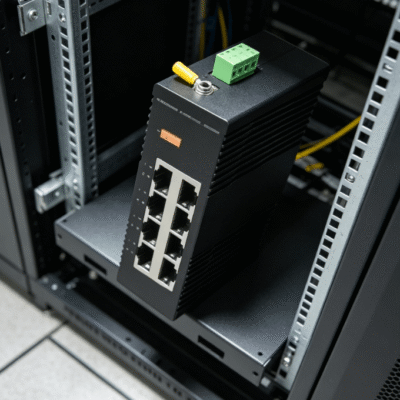
In the modern manufacturing landscape, the convergence of Information Technology (IT) and Operational Technology (OT) creates significant security risks. Industrial network segmentation serves as a primary defense mechanism by dividing a flat network into smaller, isolated zones. This approach prevents the lateral movement of cyber threats across the factory floor.
However, implementing these barriers often involves complex technical hurdles and legacy equipment limitations. Many facilities still rely on outdated architectures that lack modern security features. These flat networks allow any device to communicate with any other device without restriction.
A single compromised workstation can potentially disrupt an entire production line within minutes. Effective segmentation mitigates this risk by restricting traffic flow based on functional requirements. Organizations must adopt specialized hardware to enforce these logical boundaries effectively.
Why Industrial Network Segmentation is Critical for Cybersecurity
The primary goal of industrial network segmentation is to reduce the attack surface of critical infrastructure. By creating distinct security zones, organizations can isolate sensitive Industrial Control Systems (ICS) from external threats. This structure ensures that a breach in the corporate office does not reach the Programmable Logic Controllers (PLCs).
Statistical data highlights the growing necessity of these measures in industrial settings. According to industry security reports, approximately 75% of detected OT vulnerabilities reside in legacy protocols that lack inherent encryption. Furthermore, the average cost of an industrial data breach reached $4.73 million in recent years.
Segmentation acts as a cost-effective insurance policy against such financial losses. Beyond security, segmentation improves overall network performance by reducing broadcast storms. Limiting traffic to specific zones ensures that high-priority automation data receives the necessary bandwidth.
| Segmentation Benefit | Description | Impact on Security |
| Threat Containment | Limits malware spread to a single zone. | High |
| Reduced Attack Surface | Hides critical assets from unauthorized users. | Very High |
| Improved Visibility | Makes it easier to audit specific traffic flows. | Medium |
| Compliance | Meets standards like IEC 62443. | High |
Overcoming Legacy Hardware Constraints in Network Design
One of the biggest hurdles in industrial network segmentation is the presence of legacy hardware. Many industrial devices were designed decades ago without security in mind. These devices often use non-routable protocols that do not support modern VLAN tagging or encryption.
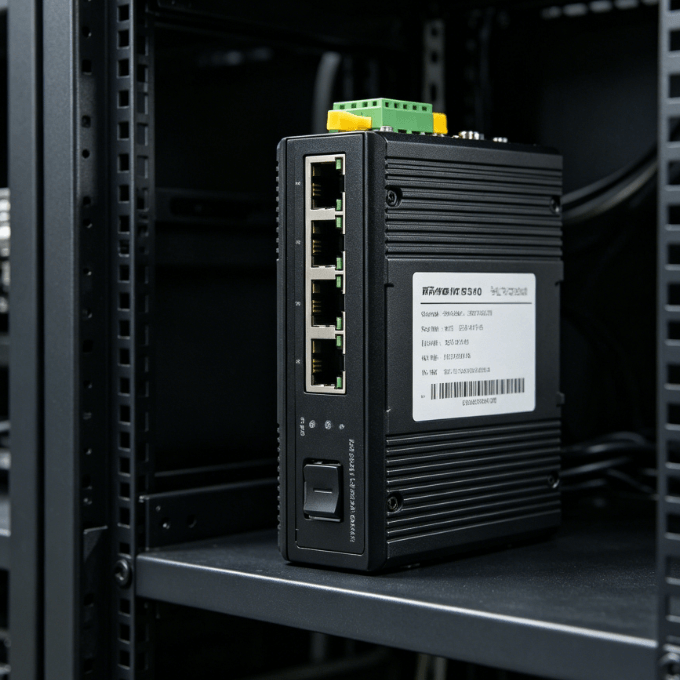
To bridge this gap, engineers utilize specialized industrial switches that support advanced Layer 2 and Layer 3 management. These switches allow for the creation of Virtual Local Area Networks (VLANs) even in environments with older controllers. By placing legacy devices behind managed ports, security teams can apply granular access control lists.
Additionally, industrial ethernet repeaters can assist in extending segment boundaries over long distances. These tools ensure that physical distance does not prevent the implementation of a logical security architecture. Integrating these components allows for a phased migration toward a fully segmented network.
How to Implement a Zero Trust Architecture in OT Environments
Implementing a Zero Trust model through industrial network segmentation requires moving away from “trust by default.” In a Zero Trust framework, every communication request must be verified, regardless of its origin. This transition starts with a comprehensive audit of all connected assets and their communication requirements.
The first step involves defining “Conduits” and “Zones” as specified in the IEC 62443 standard. A Zone is a group of assets with similar security requirements, while a Conduit is the secure communication path between them. This structured approach simplifies the management of firewall rules and access policies.
Organizations typically see a 40% improvement in incident response times after clearly defining these boundaries. Monitoring is the final piece of the Zero Trust puzzle. Once segments are in place, deep packet inspection (DPI) tools analyze traffic within the conduits.
Choosing the Right Infrastructure for Automation Stability
Selecting the appropriate hardware is vital for maintaining the balance between security and performance. High-performance automation industry switches are engineered to handle the harsh conditions of the factory floor. They must withstand extreme temperatures, electromagnetic interference, and physical vibration.
When evaluating equipment for industrial network segmentation, prioritize devices that offer robust management interfaces. Features like Port Security and 802.1X authentication are essential for preventing unauthorized physical access. If a switch lacks these features, the logical segments can be easily bypassed by an on-site intruder.
Furthermore, consider the scalability of the hardware. Industrial networks often grow as new production lines are added. Choosing modular switches allows for easy expansion without the need to redesign the entire segmentation strategy.
Strategic Considerations for Network Hardware Selection
Determining the suitability of hardware for your segmentation project depends on several technical criteria. First, assess whether your environment requires Layer 2 or Layer 3 functionality. Layer 2 switches are excellent for simple VLAN isolation, while Layer 3 switches provide essential routing.
Environmental factors also dictate the choice of equipment. Standard commercial switches often fail in dusty or hot industrial settings, leading to network drops. Hardware with IP40 or higher protection ratings ensures long-term stability and reduces maintenance costs.
Finally, evaluate the ease of integration with existing management software. Modern industrial switches often feature web-based interfaces or support SNMP for centralized monitoring. This capability is essential for security teams who need to manage hundreds of ports across a large campus.
Summary
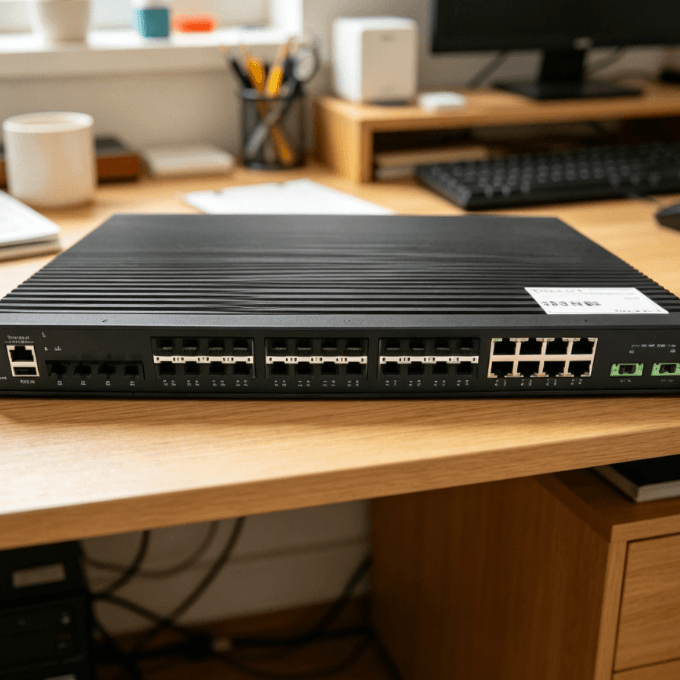
Overcoming industrial network segmentation challenges requires a combination of strategic planning and robust hardware. By replacing flat networks with managed zones, organizations can protect critical assets from cyber threats. Selecting high-grade industrial switches and repeaters ensures that security measures do not compromise the speed or reliability of automation systems.
FAQ
1. What is the main goal of industrial network segmentation?
The main goal is to isolate critical industrial assets into secure zones. This prevents unauthorized access and limits the lateral spread of cyberattacks across the facility.
2. Can legacy devices be included in a segmented network?
Yes, legacy devices can be integrated by using managed industrial switches. These switches create VLANs to isolate older hardware that lacks modern security features from the rest of the network.
3. How does segmentation improve network performance?
Segmentation reduces broadcast traffic by containing it within specific zones. This prevents network congestion and ensures that high-priority automation signals receive the necessary bandwidth for real-time operations.
4. What standard governs industrial network security?
The IEC 62443 standard is the primary international benchmark. It provides the framework for implementing security zones and conduits within industrial automation and control systems.