
How to Deploy Industrial VPN Router Solutions?

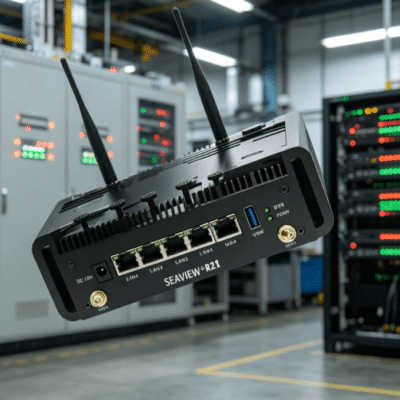
Remote monitoring has transformed how global industries manage their assets. Maintaining a constant connection to distant machinery requires specialized networking tools. An industrial vpn router solution provides the necessary bridge for this data. It allows engineers to monitor performance without being physically present.
Security is the primary concern when connecting industrial equipment to the internet. Standard internet connections are often vulnerable to unauthorized access. A robust industrial vpn router solution uses encryption to protect sensitive information. This ensures that operational data remains private and secure at all times.
Modern factories rely on real-time data to prevent expensive equipment failures. Implementing an industrial vpn router solution facilitates this immediate data flow. It supports various communication protocols used in automation today. Proper deployment is the key to achieving long-term system stability.
Understanding the Architecture of an Industrial VPN Router Solution
A successful deployment starts with understanding the basic system architecture. The network usually consists of a central server and multiple remote nodes. Each node uses an industrial vpn router solution to connect to the hub. This creates a star topology that is easy to manage.
The router acts as a gateway for all local industrial devices. It handles the translation between local protocols and the broader internet. This setup simplifies the network configuration for complex industrial sites. An industrial vpn router solution is designed for these specific gateway tasks.
Edge computing capabilities are also becoming common in these routing devices. They can process some data locally before sending it to the cloud. This reduces the amount of bandwidth required for the industrial vpn router solution. Local processing also improves response times for critical safety functions.
Hardware Reliability in Challenging Environments
Industrial environments are often harsh and unpredictable for electronic equipment. Standard office routers would likely fail within weeks in a factory. An industrial vpn router solution features a ruggedized metal exterior for protection. This housing shields internal components from dust and moisture.
Vibration resistance is another critical feature for hardware used near heavy machinery. Most industrial routers are tested to withstand significant mechanical shocks. This durability ensures the industrial vpn router solution maintains a stable connection. Reliable hardware minimizes the need for frequent on-site maintenance.
Temperature fluctuations can also impact the performance of networking gear. Industrial devices are rated for operation between -40°C and +75°C. This wide range allows the industrial vpn router solution to work outdoors. It remains functional in both freezing winters and scorching summers.
Integration with Existing Industrial Automation
Most factories already have established control systems like PLCs or SCADAs. The industrial vpn router solution must integrate seamlessly with these technologies. It should support common industrial protocols such as Modbus or Profinet. This compatibility reduces the complexity of the initial setup.
Serial ports like RS-232 or RS-485 are often found on older equipment. Many industrial routers include these ports to support legacy systems. This allows the industrial vpn router solution to modernize older factory floors. It bridges the gap between old hardware and new cloud platforms.
Wireless failover is a vital feature for maintaining continuous uptime. If the primary wired connection fails, the router switches to cellular data. An industrial vpn router solution with dual SIM slots provides maximum redundancy. This ensures that remote monitoring never skips a beat.
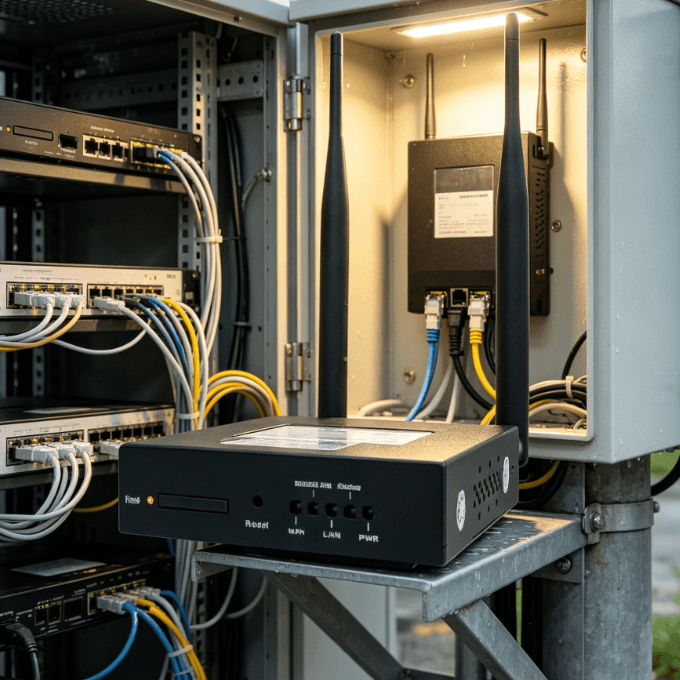
Technical Standards and Performance Benchmarks
Technical specifications determine the efficiency of your remote monitoring network. High-speed data transfer is necessary for modern high-resolution sensor data. An industrial vpn router solution often supports LTE Cat 4 or Cat 6. These standards provide enough bandwidth for most industrial applications.
Latency is a measurement of the delay in data transmission. In industrial control, high latency can lead to dangerous synchronization issues. A well-configured industrial vpn router solution keeps latency below 50 milliseconds. This ensures that commands are executed almost instantly at the remote site.
Mean Time Between Failures (MTBF) is a key metric for reliability. Top-tier industrial routers often have an MTBF of over 200,000 hours. This equates to over 22 years of continuous operation. Choosing an industrial vpn router solution with high MTBF saves money over time.
| Feature Category | Technical Specification | Industrial Requirement |
|---|---|---|
| Security | Encryption Standard | AES-256 bit |
| Durability | Ingress Protection | IP30 or higher |
| Connectivity | Cellular Support | 4G LTE / 5G |
| Management | Remote Configuration | Cloud-based Platform |
| Reliability | Power Redundancy | Dual DC Inputs |
Step-by-Step Deployment of an Industrial VPN Router Solution
The physical installation is the first phase of the deployment process. Mount the router on a standard DIN-rail inside the control cabinet. Ensure there is enough space for cables to move freely. A secure industrial vpn router solution starts with a tidy physical installation.
Powering the device correctly is essential for preventing electrical damage. Most industrial routers accept a wide range of DC voltages. Connect the device to a stabilized power source within the 9V to 36V range. This flexibility makes the industrial vpn router solution adaptable to different power grids.
Antenna placement significantly affects the quality of wireless connections. If the router is inside a metal box, use external antennas. Mount the antennas on the roof of the enclosure for better signal. A strong signal is required for a reliable industrial vpn router solution.
Configuring Encrypted Tunnels for Data Safety
Once powered on, access the router’s management interface via a web browser. The first task is to update the firmware to the latest version. Manufacturers release updates to fix security bugs and improve performance. A secure industrial vpn router solution must always run the latest software.
Setting up the VPN tunnel is the core of the configuration process. Choose a protocol like OpenVPN for its balance of speed and security. You will need to import digital certificates from your central server. This authentication ensures only trusted devices join your industrial vpn router solution.
Define the firewall rules to block all unnecessary incoming traffic. Only allow specific IP addresses to access the management port. This “least privilege” approach is a fundamental principle of cybersecurity. It protects your industrial vpn router solution from common internet-based attacks.
Monitoring and Maintenance Protocols
Ongoing monitoring is required to ensure the system performs as expected. Use a centralized management platform to track all active routers. This software provides real-time alerts if a device goes offline. Monitoring is a critical part of an industrial vpn router solution.
Log files provide valuable information for troubleshooting network issues. Check the logs regularly for any repeated connection failures. These errors might indicate a failing antenna or a provider issue. A proactive industrial vpn router solution prevents minor issues from becoming major failures.
Periodic security audits should be conducted on the entire network. Change passwords every few months to maintain a high security posture. Review the firewall rules to ensure they are still appropriate. Constant vigilance keeps your industrial vpn router solution safe from evolving threats.
Criteria for Choosing Industrial Connectivity Solutions
Selecting the right provider for your hardware determines your long-term success. You should evaluate the breadth of their digital connectivity portfolio. Different sites may require different hardware configurations for optimal performance. High-quality digital connectivity products offer the versatility needed for diverse industrial projects.
The scalability of the solution is another important factor to consider. Your network may start small but could grow to hundreds of sites. An industrial vpn router solution should be easy to scale without massive reinvestment. Look for platforms that offer bulk configuration tools for efficiency.
Technical support and documentation are essential for complex deployments. Ensure the vendor provides detailed manuals and responsive help desks. Good support reduces the time spent on troubleshooting during the initial setup. This makes the implementation of an industrial vpn router solution much smoother for your team.
Total Cost of Ownership (TCO) includes more than just the purchase price. Consider the costs of power consumption, data plans, and maintenance. A more expensive, efficient router may save money over five years. Investing in a premium industrial vpn router solution is often the most cost-effective choice.
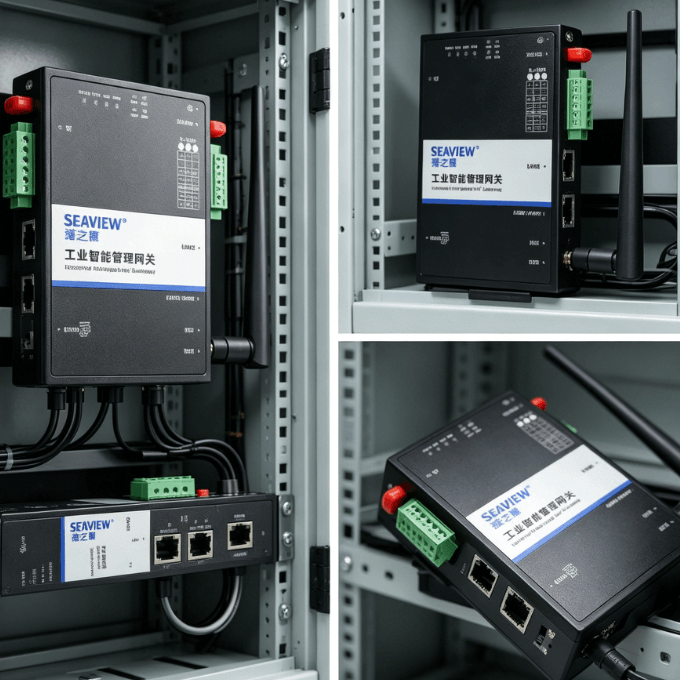
Summary
Deploying an industrial vpn router solution requires a focus on rugged hardware and strong encryption. Engineers must prioritize reliable components that can withstand extreme environmental conditions. By following a structured configuration process and maintaining strict security protocols, industries can achieve stable remote monitoring. This technology provides the foundation for efficient, data-driven industrial operations in a connected world.
FAQ
1. What is the primary purpose of an industrial vpn router solution?
The primary purpose is to create a secure and encrypted connection between remote industrial equipment and a central management system.
It uses a private tunnel to ensure that sensitive operational data cannot be intercepted by unauthorized parties on the public internet.
2. Can an industrial vpn router solution operate in extreme weather?
Yes, these devices are specifically designed to operate in extreme temperatures ranging from -40°C to +75°C.
They also feature rugged metal housings that protect against dust, moisture, and vibration commonly found in outdoor or factory environments.
3. Why is 256-bit AES encryption important for these solutions?
256-bit AES encryption is currently the global standard for securing highly sensitive data against advanced cyber threats.
Implementing this level of security in an industrial vpn router solution ensures that your infrastructure remains protected from sophisticated hacking attempts.
4. How does redundant power help in remote monitoring?
Redundant power inputs allow the router to connect to two different power sources simultaneously.
If one power supply fails, the industrial vpn router solution stays online, preventing data loss and maintaining the remote monitoring feed.
5. Is it possible to manage multiple routers from one location?
Yes, most professional solutions include a centralized cloud-based management platform for monitoring all deployed devices.
This allows administrators to perform firmware updates and configuration changes across the entire industrial vpn router solution network from a single screen.
Reference Sources
IEC (International Electrotechnical Commission) – Industrial Communication Networks and Systems
ISA (International Society of Automation) – Security for Industrial Automation and Control Systems
CIS (Center for Internet Security) – Best Practices for Network Security and Data Protection