
5 Key Benefits of Smart Light Pole Solutions

The rapid evolution of urban infrastructure is transforming how cities operate and interact with citizens in 2026. Modern municipalities no longer view streetlights as simple illumination tools. Instead, they represent the backbone of digital transformation through the implementation of a smart light pole solution.
These multi-functional structures integrate sensors, communication modules, and energy-efficient lighting into a single unit. City planners are increasingly adopting these technologies to address urbanization challenges. By leveraging existing vertical assets, cities can deploy massive IoT networks without extensive new construction.
This approach minimizes clutter while maximizing the utility of every square foot of public space. As urban populations grow, the demand for smarter resource management becomes critical. A well-designed smart light pole solution offers a scalable platform for future growth.
Why are Smart Light Pole Solutions Essential for Modern Urban Infrastructure?
Modern cities face increasing pressure to improve connectivity while reducing carbon footprints. Traditional streetlighting systems consume a significant portion of municipal electricity budgets. Transitioning to an integrated smart light pole solution allows cities to reclaim these costs through intelligent automation.
Beyond simple lighting, these poles serve as the primary host for 5G small cells. The high-frequency nature of 5G requires dense network clusters for reliable coverage. Street poles provide the perfect elevation and spacing for these essential telecommunications components.
Data collection is the lifeblood of any smart city initiative in 2026. Integrated poles gather real-time data on traffic flow, air quality, and noise levels. This information enables officials to make evidence-based decisions regarding urban planning and public health.
| Component Type | Core Function in 2026 Cities | Impact Level |
| Smart LED Module | Adaptive dimming and energy monitoring | High |
| 5G Small Cell | High-speed mobile data distribution | Critical |
| Environmental Sensor | Monitoring AQI and weather patterns | Medium |
| AI Camera System | Public surveillance and traffic analytics | High |
| EV Charging Unit | Supporting electric vehicle infrastructure | Medium |
| Digital Information Hub | Public announcements and advertising | Medium |
Exploring the Core Components of a Comprehensive Smart Light Pole Solution
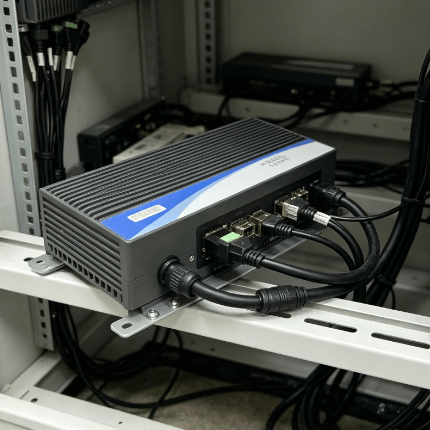
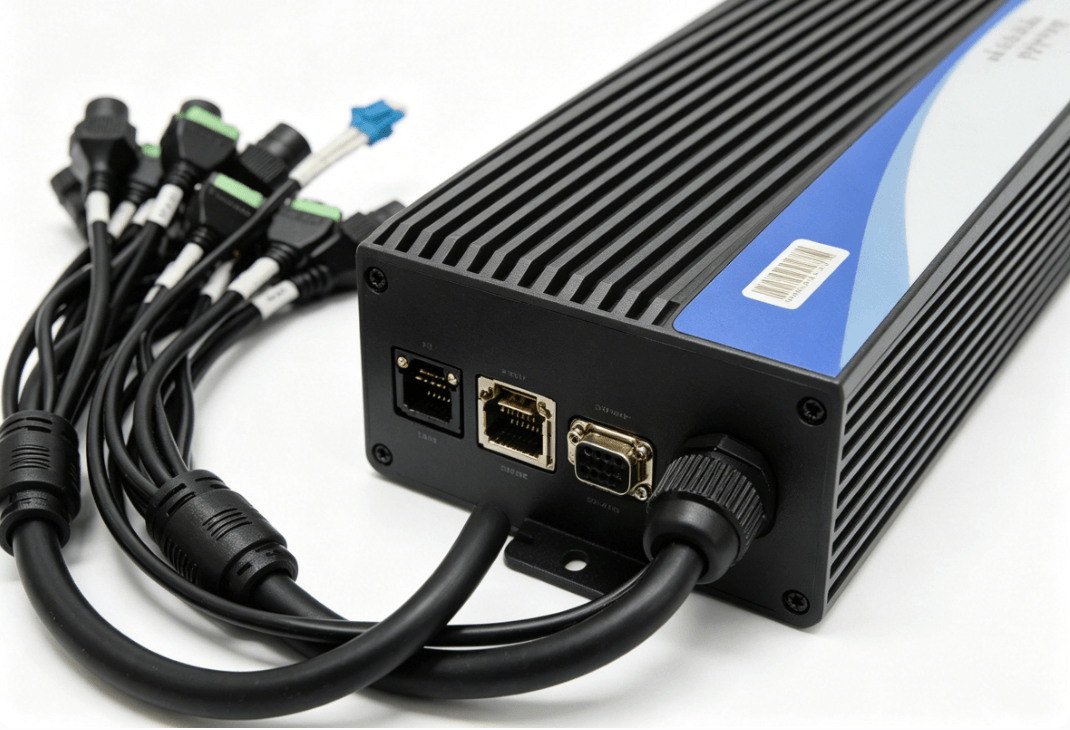
A comprehensive smart light pole solution consists of several layers of technology working in harmony. At the physical layer, the pole must be structurally sound to support hardware. This includes brackets for cameras, enclosures for base stations, and internal wiring for diverse power.
The communication layer is equally vital for the success of the overall system. Most solutions utilize protocols like LoRaWAN or NB-IoT for low-power sensor data. Meanwhile, fiber optic backhaul or 5G handles high-bandwidth tasks like video streaming.
This dual-network approach ensures that critical alerts always reach the central management system. The software management platform acts as the brain of the entire city operation. It provides a unified dashboard where operators can monitor every pole remotely.
Advanced Lighting and Energy Management
The primary function of any pole remains providing adequate visibility for pedestrians and vehicles. However, a smart light pole solution enhances this with advanced photocells and motion sensors. These components allow the light to adjust its intensity based on environmental conditions.
During the late hours of 2026, lights can dim to 30% when no activity is detected. This reduction significantly lowers the city’s overall carbon footprint and energy bill. Integrated power meters also track consumption in real-time for better financial reporting.
Multi-Sensor Data Acquisition Hubs
Smart poles act as the “eyes and ears” of the municipal government. They house various sensors that track everything from humidity to specific particulate matter in the air. This granular level of data was previously impossible to collect across entire districts.
In 2026, cities use this data to issue health warnings or optimize traffic routes. For example, high nitrogen dioxide levels might trigger an automated traffic diversion. This integration makes the smart light pole solution an active participant in environmental protection.
5 Key Benefits of Smart Light Pole Solutions
Implementing an advanced smart light pole solution provides immediate and long-term advantages for urban environments. These benefits span across economic, social, and environmental sectors. They create a holistic improvement in city living standards for all residents.
1. Significant Energy Savings and Operational Efficiency
One of the most immediate impacts is the reduction in municipal energy consumption. Traditional streetlights often operate at 100% brightness throughout the night. Smart poles use intelligent scheduling to dim lights when they are not needed.
According to 2026 industry data, upgrading to smart systems can reduce energy usage by 70%. When combined with automated fault detection, maintenance costs also drop significantly. Crews only visit poles that report specific issues, eliminating manual inspections.
The longevity of LED components reduces the frequency of replacements over time. This leads to less material waste and lower long-term capital expenditure. The system pays for itself through these accumulated operational savings.
2. Enhanced Public Safety and Emergency Response
Safety is a top priority for any 2026 urban development project. A smart light pole solution incorporates high-definition cameras and emergency call buttons. These tools provide a sense of security and act as a deterrent for crime.
Real-time video analytics can detect unusual gathering patterns or traffic accidents automatically. This triggers immediate alerts to local law enforcement or medical emergency teams. Faster response times directly correlate with better outcomes in life-threatening situations.
Digital signage on the poles can broadcast urgent public alerts in seconds. During natural disasters, cities can push information to specific neighborhoods instantly. This localized communication is more effective than broad broadcast methods used in the past.
3. Accelerated 5G and IoT Connectivity
The deployment of 5G is a cornerstone of economic competitiveness in 2026. However, installing new towers is expensive and often meets public resistance. Smart poles solve this by hiding telecommunications equipment within a sleek design.
By utilizing a smart light pole solution, carriers achieve the required density for 5G coverage. This enables faster download speeds for local businesses and residents. It also provides the infrastructure for autonomous vehicle communication on city streets.
Beyond cellular data, these poles act as gateways for thousands of IoT devices. Water meters and parking detectors connect through the pole’s communication gateway. This creates a seamless urban fabric where every device can communicate efficiently.
4. Comprehensive Environmental Monitoring and Sustainability
Climate change is a major concern for 2026 city dwellers and administrators. Smart poles equipped with sensors provide hyper-local data on air quality. This is more accurate than having a single monitoring station for a whole city.
Cities can track pollutants like PM2.5 and CO2 at the street level. This data helps in identifying “hot spots” where traffic congestion contributes to pollution. Officials can then implement targeted greening initiatives to mitigate these environmental effects.
Moreover, these sensors can monitor noise pollution and weather conditions in real-time. Real-time data on road surface temperatures helps departments manage de-icing during winter. This proactive approach improves road safety while reducing the use of chemical salts.
5. Revenue Generation and Economic Sustainability
A smart light pole solution can actually generate income for the municipality. Integrated digital screens offer prime advertising space for local and national brands. This revenue can offset initial installation costs and fund other public services.
Electric vehicle charging is another potential revenue stream for cities in 2026. As more citizens switch to EVs, the demand for curbside charging increases. By adding charging modules to light poles, cities provide a valuable service.
Additionally, cities can lease space on the poles to telecommunications companies. This “pole-as-a-service” model creates a steady stream of passive income. It turns a traditional cost center into a productive financial asset.
How to Determine the Best Smart Light Pole Configuration?
Selecting the right smart light pole solution requires a deep understanding of local goals. Every city has unique geographical challenges and specific budgetary constraints to manage. A modular approach is often the most successful strategy for large-scale deployments.
When evaluating different options, consider the scalability of the communication architecture. It is essential to choose a platform that supports multiple open protocols. This prevents “vendor lock-in” and ensures the system can adapt to future technology.
Durability is another critical factor to analyze during the hardware selection process. Equipment must withstand extreme weather conditions, from high heat to heavy snow. Look for components with high IP ratings and robust materials like galvanized steel.
For those seeking high-quality infrastructure, the digital connectivity and smart light pole solutions from Seaview Industry provide versatile options. Their systems emphasize integration and ease of maintenance for diverse urban landscapes. Evaluating a partner’s track record ensures the long-term success of the project.
Summary
Implementing a smart light pole solution is a transformative step for any 2026 city. It delivers significant energy savings, enhances public safety, and provides the infrastructure for 5G connectivity. By integrating environmental monitoring and revenue-generating features, cities can build a resilient urban future. These poles represent a shift toward more intelligent and citizen-centric infrastructure.
FAQ
1. What is a smart light pole solution?
A smart light pole solution is an integrated urban system combining LED lighting with sensors and communication modules. It serves as a central hub for data collection, public safety, and 5G network distribution in modern cities.
2. How do smart light poles save energy in 2026?
They save energy by using LED technology and intelligent dimming controls that react to environment changes. These systems adjust brightness based on real-time data from motion sensors, often reducing electricity consumption by over 70% compared to old lights.
3. Can smart light poles support 5G networks effectively?
Yes, they are ideal for 5G deployment because they provide the necessary height and density for small cells. Their frequent spacing across urban areas allows for the high-speed, low-latency connectivity required by 2026 mobile applications and autonomous systems.
4. Are smart light poles weather-resistant for harsh climates?
Typically, smart poles are designed with high-grade materials like treated steel or specialized aluminum alloys. They feature weather-proof enclosures for sensitive electronics, ensuring reliable performance in heavy rain, snow, and extreme 2026 summer heat.
5. How do these poles improve public safety?
They improve safety by integrating CCTV cameras, emergency call buttons, and bright, reliable LED lighting. These features help deter crime and allow emergency services to respond more quickly to incidents detected via automated AI monitoring.
Reference Sources
International Energy Agency (IEA)