
Understanding Smart City LED Display Solutions

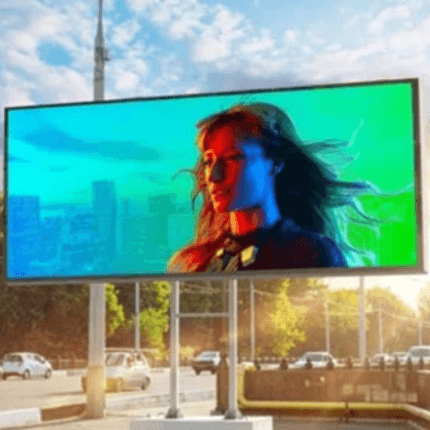
Urban environments in 2026 are evolving at an unprecedented pace. Modern cities now rely on real-time data to function efficiently and safely. A smart city LED display solution serves as the visual backbone of this digital transformation. These displays do more than just show commercial advertisements. They provide critical, life-saving information to millions of daily urban residents. Advanced LED technology ensures that messages remain visible in all harsh lighting conditions.
Public spaces require durable and high-performing communication tools to stay connected. Traditional static signage is no longer sufficient for dynamic 2026 urban needs. Digital displays allow municipalities to update information instantly across the entire city. This capability is essential for emergency alerts and localized traffic management. Investing in a smart city LED display solution improves urban livability and citizen engagement.
Furthermore, these systems integrate seamlessly with existing city digital infrastructure. They connect to environmental sensors, security cameras, and central management software. This creates a responsive environment that adapts to real-world events. Digital signage has become a non-negotiable component of the modern smart city landscape.
Why is a Smart City LED Display Solution Vital for Urban Infrastructure?
The global market for smart city digital signage is growing rapidly. Industry reports indicate the market will reach approximately $1.2 billion by late 2026. This growth is driven by the urgent need for better public communication. A smart city LED display solution offers a high return on investment through advertising.
Safety is the most significant benefit of integrated digital displays. In an emergency, city officials can broadcast alerts in several seconds. These alerts can include evacuation routes or localized weather warnings. Real-time safety updates have been shown to reduce panic during urban incidents.
Enhancing Public Safety and Real-time Communication
Digital displays act as the first line of defense during crises. They provide visual cues that are easier to follow than audio announcements. In 2026, most cities use automated triggers for emergency content. Visual communication ensures that hearing-impaired citizens receive vital safety instructions immediately.
The speed of information delivery is a critical metric for safety. Legacy systems often suffer from delays in updating physical or static posters. A smart city LED display solution removes these dangerous communication gaps. Immediate updates can prevent traffic congestion during major accidents or road closures.
Environmental Impact and Energy Efficiency in 2026
Modern LED technology uses significantly less power than older display types. In 2026, high-efficiency LEDs consume up to 30% less energy than previous generations. Smart power management systems allow for scheduled dimming and remote shutdowns. Reducing energy waste is a core goal for any sustainable smart city project.
Furthermore, digital displays eliminate the need for paper and plastic signage. This reduction in physical waste supports the city’s long-term environmental targets. Most components in a smart city LED display solution are now fully recyclable. Sustainable materials help cities reduce their overall carbon footprint effectively.
Key Technical Standards for Smart City LED Displays
Selecting the right hardware is the first step in urban digitalization. An effective smart city LED display solution must withstand harsh outdoor environments. Outdoor screens face direct sunlight, heavy rain, and extreme temperature fluctuations. High-quality LED panels prioritize brightness, weatherproofing, and long-term energy efficiency.
Brightness is a critical technical specification for constant outdoor visibility. Standard outdoor displays require a minimum of 6,000 nits to remain legible. Some high-end solutions reach up to 12,000 nits for peak sunlight exposure. Automatic brightness sensors help reduce energy consumption during late-night hours.
Understanding Pixel Pitch and Visibility
Pixel pitch determines the clarity of the image at specific distances. For large roadside billboards, a larger pixel pitch like P8 is suitable. Pedestrian areas often require a finer pitch, such as P2.5 or P3. This ensures that text remains sharp and readable from a few meters.
| Feature | Outdoor City Signage | Transportation Hub (Indoor) |
| Brightness | 6,000 – 12,000 nits | 800 – 2,000 nits |
| IP Rating | IP65 / IP66 | IP30 / IP54 |
| Pixel Pitch | P4 – P10 | P1.2 – P2.5 |
| Refresh Rate | 3,840 Hz | 1,920 Hz – 3,840 Hz |
| Connectivity | 5G / Fiber / Satellite | Ethernet / Wi-Fi 6 |
Durability is measured by Ingress Protection (IP) ratings for hardware. Most urban installations require an IP65 rating to protect against water. For coastal or industrial areas, an IP66 rating provides superior salt-air protection. This ensures the longevity of the smart city LED display solution investment.

Thermal Management and Cabinet Design
Heat dissipation is vital for maintaining the lifespan of LED diodes. In 2026, aluminum cabinets are preferred for their natural cooling properties. Fans and heat sinks must be designed to operate quietly in public. Proper thermal management prevents color shifting and premature screen failure over time.
The physical design of the cabinet should also facilitate easy maintenance. Front-serviceable modules allow technicians to replace parts without removing the whole screen. This minimizes disruption to traffic or pedestrian flow during necessary repairs. Serviceable designs reduce the long-term operational costs of the display network.
Role of LED Displays in Transportation Hubs
Transportation hubs are high-traffic environments that require precise coordination. Airports, train stations, and bus terminals rely on constant communication. A smart city LED display solution in these hubs manages thousands of passengers. Real-time arrival and departure updates reduce traveler anxiety significantly.
Wayfinding is another vital application for integrated digital displays. Large hubs can be confusing for first-time visitors or foreign tourists. Interactive kiosks and overhead LED signs guide passengers to their gates. Clear digital wayfinding improves the overall efficiency of the transportation facility.
Optimizing Passenger Flow and Wayfinding
Crowd management is enhanced through intelligent data integration. Sensors can detect if a specific platform is becoming dangerously overcrowded. The display system can then redirect passengers to less congested areas. Dynamic crowd control prevents bottlenecks and improves passenger safety in transit.
Retail areas within hubs also benefit from targeted digital signage. Screens can display current promotions or menu items to waiting travelers. This increases the commercial value of the transportation hub’s real estate. Integrating commercial content with traveler info creates a balanced user experience.
Multi-modal Transit Coordination
In 2026, transportation hubs often manage multiple types of transit. A single display may show bus, train, and bike-share availability. This holistic view helps passengers make better decisions about their journey. Unified data displays encourage the use of public transit over private cars.
Connectivity between hubs and the wider city is also essential. When a train is delayed, bus schedules can adjust accordingly. The smart city LED display solution communicates these changes to passengers instantly. Synchronized information creates a seamless travel experience for the entire population.
Choosing the Right Infrastructure for Digital Connectivity
Choosing the right management software is as important as the hardware. You must evaluate how the platform handles large-scale connectivity. A reliable IoT platform should offer seamless integration between hardware and cloud services. This ensures that data flows without interruption across the urban network.
Compatibility is a key factor when scaling your infrastructure in 2026. The platform must support various communication protocols like MQTT or HTTP. It should also be compatible with different LED controller brands. Choosing a flexible platform prevents your city from being locked into one vendor.
Scalability determines if the system can grow with your city. You might start with ten screens but eventually need five hundred. The platform architecture must handle increased data loads without performance drops. Evaluating a platform’s scalability ensures your investment remains viable for many years.
Security and user management are non-negotiable requirements for public infrastructure. Look for platforms that offer role-based access control and detailed audit logs. This allows you to track every change made to the display network. If you are looking for professional tools, choosing the right IoT business platforms is a critical step for modern urban administrators.
Summary
A smart city LED display solution is a transformative tool for modern urban management. It combines high-performance hardware with intelligent IoT connectivity to improve safety and efficiency. By focusing on durability, visibility, and scalable software, cities can build a resilient communication network. The integration of digital displays is the key to a more connected 2026 urban future.
FAQ
1. What is the minimum brightness for an outdoor smart city LED display?
The minimum brightness for direct sunlight visibility is typically 6,000 nits. For extreme 2026 conditions, many solutions offer up to 12,000 nits with automatic dimming capabilities to save energy.
2. How does a smart city LED display solution improve public safety?
It provides real-time emergency alerts and visual evacuation instructions during crises. These displays can also be integrated with local sensors to warn citizens about poor air quality.
3. What IP rating is recommended for urban LED installations?
An IP65 rating is the standard for most outdoor urban environments. In coastal or very wet areas, an IP66 or IP67 rating is recommended for better water resistance.
4. Can LED displays help in reducing city operational costs?
Yes, they reduce costs through energy-efficient technology and remote management tools. Centralized control eliminates the need for manual signage updates and expensive physical maintenance visits.
5. How do IoT platforms interact with smart city LED displays?
IoT platforms act as the central control system, managing content and monitoring hardware health. They allow displays to respond to data from external sensors and other city infrastructure automatically.
Reference Sources
Market.us – Global Digital Signage for Smart Cities Market Size and Growth Trends 2026
SNS Insider – Smart Display Market Analysis and Forecast 2026
Strategic Market Research – Direct View LED Display Market Trends and Urban Applications