
The Role of an Industrial Ethernet Switch in IoT

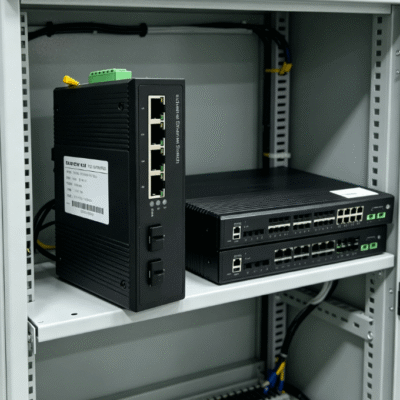
In the rapidly evolving landscape of the Industrial Internet of Things (IIoT), connectivity acts as the central nervous system. At the heart of this connectivity lies the industrial ethernet switch, a specialized device designed to bridge the gap between field sensors and control centers. Unlike standard networking equipment found in quiet offices, these switches operate in the most demanding environments on Earth.
From sweltering manufacturing floors to freezing outdoor power grids, the demand for stable data transmission is absolute. An industrial ethernet switch ensures that critical information travels from point A to point B without interruption. It provides the robust backbone necessary for real-time monitoring and automated decision-making processes.
As smart factories become more complex, the reliance on high-performance networking hardware grows. Choosing the right switch is not merely a technical preference but a strategic necessity for operational continuity. Understanding how these devices function within an IoT framework is the first step toward building a resilient industrial network.
What Is an Industrial Ethernet Switch and How Does It Differ?
An industrial ethernet switch is a ruggedized networking device used to connect multiple devices within a local area network (LAN). It manages data traffic with high precision, ensuring that industrial protocols like Profinet or EtherNet/IP receive the necessary priority. Its primary purpose is to maintain link stability under conditions that would cause standard commercial switches to fail.
Built for Extreme Physical Environments
Standard commercial switches are typically rated for indoor temperatures between 0°C and 40°C. In contrast, an industrial ethernet switch often supports an extended operating temperature range from -40°C to +75°C. This allows it to function reliably in outdoor cabinets or near heavy machinery that generates significant heat.
Enhanced Protection and Durability
These devices are housed in high-strength metal casings with IP30 or IP40 ratings for dust protection. They feature advanced electromagnetic interference (EMI) shielding to prevent data corruption from high-voltage equipment nearby. Additionally, they often include 6KV lightning protection to safeguard the network against sudden power surges.
Why Is Network Redundancy Critical in Industrial IoT?
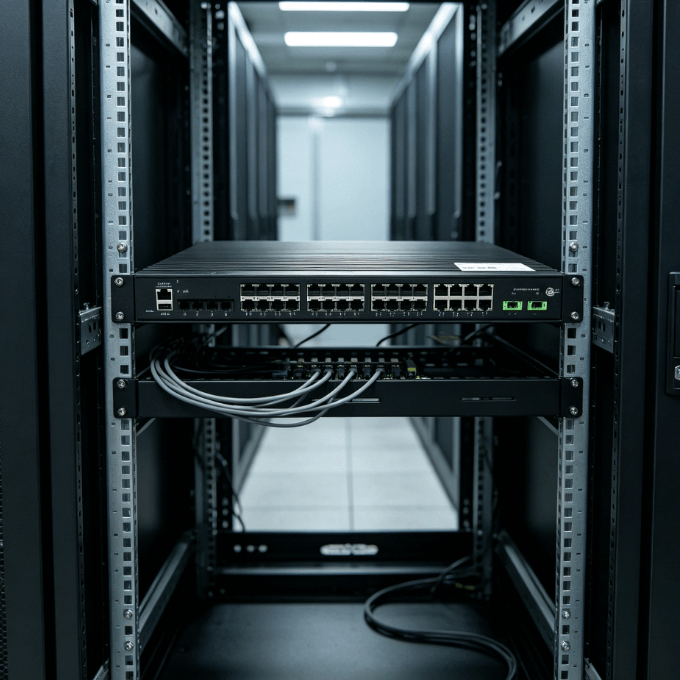
In an IoT-driven environment, a single minute of network downtime can result in thousands of dollars in lost production. An industrial ethernet switch solves this problem by utilizing advanced redundancy protocols. These protocols allow the network to heal itself almost instantly if a cable is cut or a port fails.
Rapid Self-Healing with Ring Topology
Technologies like ERPS (Ethernet Ring Protection Switching) enable the network to recover in less than 20 milliseconds. This speed is crucial for real-time automation where a delay of even 50 milliseconds could cause a machine to stop. By creating a loop of switches, data always has an alternative path to reach its destination.
Reliability Data and Uptime Standards
Industrial-grade hardware is designed for a Mean Time Between Failures (MTBF) of over 300,000 hours. Research shows that utilizing managed industrial ethernet switch models can reduce unplanned downtime by up to 35% compared to unmanaged versions. This long-term reliability ensures that the initial investment pays off through consistent operational uptime.
| Feature | Commercial Switch | Industrial Ethernet Switch |
| Operating Temp | 0°C to 40°C | -40°C to +75°C |
| Mounting | Desktop / 19″ Rack | DIN-Rail / Wall Mount |
| Power Input | Single AC Adapter | Dual Redundant DC Inputs |
| Cooling | Internal Fans | Fanless Natural Cooling |
How Does an Industrial Ethernet Switch Support IoT Scalability?
Scalability is a core requirement for any modern IoT project. An industrial ethernet switch provides the flexibility to add hundreds of new sensors and actuators without redesigning the entire network architecture. Its high-bandwidth capabilities ensure that increasing data traffic does not lead to network congestion.
High-Speed Data Transmission and Fiber Support
Many industrial switches feature SFP slots for fiber optic connections, allowing data to travel several kilometers without signal loss. This is essential for large-scale IoT deployments like wind farms, oil pipelines, or massive logistics centers. Gigabit speeds ensure that high-definition video surveillance and sensor data can share the same network smoothly.
Power over Ethernet (PoE) for Simplified Deployment
Many industrial ethernet switch models provide Power over Ethernet (PoE) to simplify the installation of IoT devices. This technology allows a single cable to transmit both data and electricity to IP cameras or wireless access points. Using PoE can reduce installation labor costs by approximately 20% to 30% in complex industrial settings.
How to Determine Which Industrial Switch Fits Your Needs?
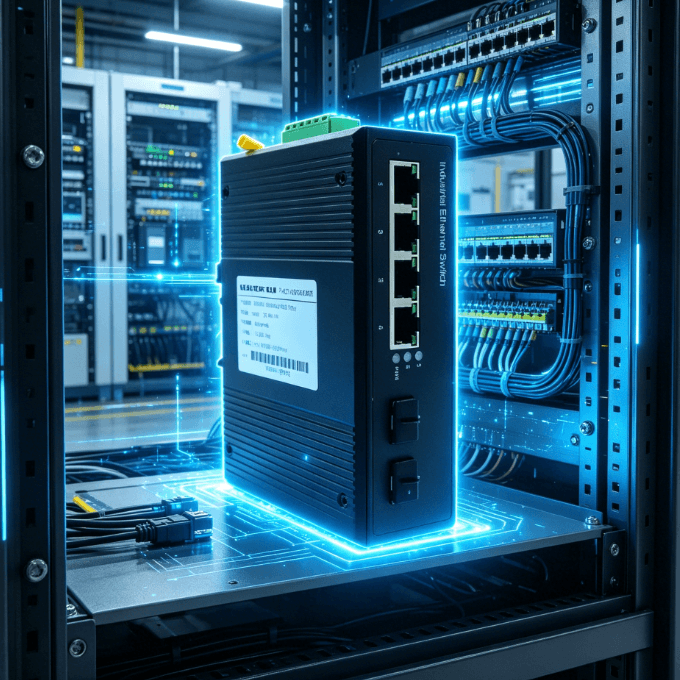
Selecting the ideal networking hardware requires a thorough assessment of your specific field conditions and data requirements. You must decide between managed and unmanaged switches based on the level of control your IT team requires. This decision impacts both the security of your network and its long-term maintainability.
If your application requires remote troubleshooting and traffic prioritization (QoS), a managed industrial ethernet switch is essential. These models allow administrators to monitor port status and configure security settings from a central location. For simpler, “plug-and-play” tasks like connecting a few local sensors, an unmanaged switch may be more cost-effective.
When browsing professional industrial grade switches, consider the power redundancy features. Dual DC power inputs allow the switch to pull energy from two different sources simultaneously. If one power supply fails, the switch continues to operate without losing a single packet of data.
Summary
An industrial ethernet switch is the cornerstone of a reliable and scalable Industrial IoT network. It provides the durability to survive harsh environments while offering the redundancy needed to prevent costly downtime. By investing in high-quality switching hardware, businesses ensure that their automated systems remain connected, secure, and productive for years.
FAQ
1. What is the difference between a managed and unmanaged industrial switch?
A managed industrial ethernet switch allows for network configuration, security settings, and remote monitoring via software. An unmanaged switch simply connects devices without any user configuration, acting as a basic plug-and-play hub for local traffic.
2. Why do industrial switches use DIN-rail mounting?
DIN-rail mounting is the standard for industrial cabinets, allowing for quick installation alongside PLCs and power supplies. This mounting method saves space and makes the hardware resistant to high-vibration environments commonly found in factories.
3. Can I use a regular ethernet switch in a factory?
While it may work temporarily, a regular switch lacks the thermal protection and EMI shielding required for industrial use. Standard switches often fail within months due to dust accumulation, high heat, or electrical surges from nearby machinery.
4. How does a fanless design benefit an industrial ethernet switch?
Fanless designs eliminate a common point of mechanical failure and prevent dust from being sucked into the internal circuitry. Natural convection cooling allows the industrial ethernet switch to operate in sealed enclosures where airflow is limited or non-existent.
Reference Sources
ISA (International Society of Automation): Industrial Communication and Networking Guidelines.
TIA (Telecommunications Industry Association): Standards for Industrial Network Infrastructure.