
Why Use Industrial vs Commercial Switch in 2026 ?

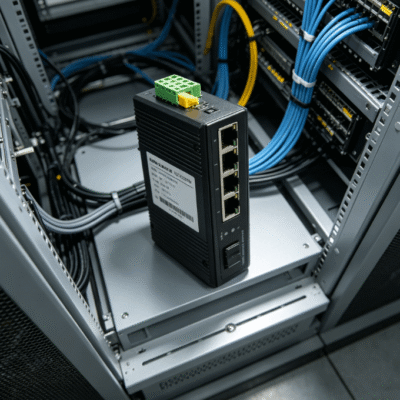
In 2026, the gap between office networking and factory automation is wider than ever. Rapid digital transformation requires a clear understanding of industrial vs commercial switch capabilities. Commercial switches typically handle climate-controlled office data. In contrast, industrial models must survive extreme vibrations, electrical interference, and dust. Selecting the wrong hardware leads to costly downtime and frequent replacements.
Industrial environments demand more than just standard data throughput. They require specialized components that resist corrosion and high temperatures. Modern smart factories rely on these ruggedized devices to maintain 24/7 operations. This article breaks down the technical specifications and operational benefits of each type. We will help you decide which solution fits your long-term infrastructure goals.
What are the Technical Differences Between Industrial and Commercial Switches?
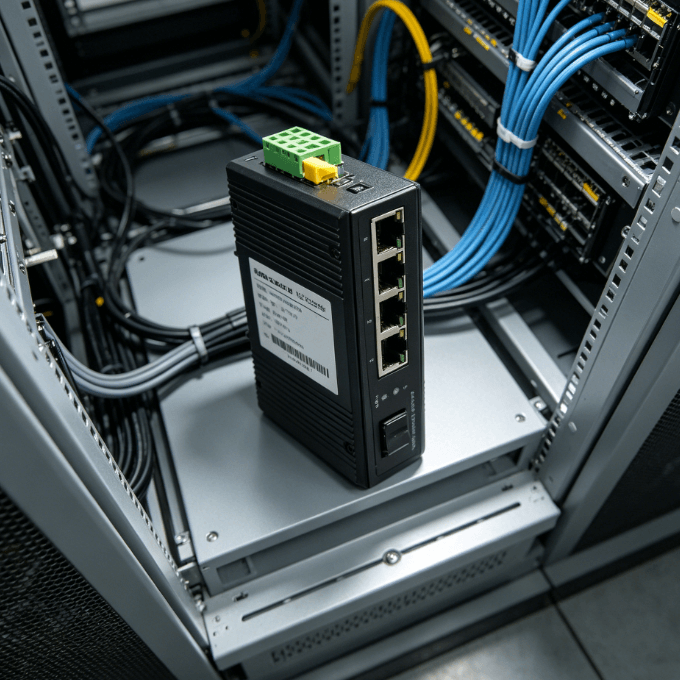
The primary difference lies in physical construction and thermal management. Commercial switches use active cooling fans to manage heat. These fans often fail in dusty or oily environments. Industrial vs commercial switch comparisons show that industrial units use passive cooling. Their heavy-duty metal casings act as heat sinks to dissipate warmth efficiently.
Operating temperature ranges provide the most visible performance gap. A standard commercial switch functions between 0°C and 40°C. Industrial switches operate reliably from -40°C to 85°C. This allows placement in outdoor cabinets or unheated warehouses. Reliability data suggests industrial switches have a Mean Time Between Failures (MTBF) of over 200,000 hours. Commercial alternatives typically reach only 30,000 to 50,000 hours.
Power input redundancy is another critical technical feature. Commercial units usually feature a single internal power supply. Industrial switches support dual DC power inputs for maximum uptime. If one power source fails, the secondary takes over instantly. This prevents network drops in critical manufacturing or transportation systems.
| Feature | Commercial Switch | Industrial Switch |
| Operating Temp | 0°C to 40°C | -40°C to +85°C |
| Cooling Method | Active Fans | Passive Convection |
| Enclosure | Plastic or Thin Metal | IP30/IP40 Rated Metal |
| Mounting | 19-inch Rack | DIN-Rail or Wall Mount |
| Lifespan | 3 – 5 Years | 10 – 25 Years |
| Vibration Resistance | Low | High (IEC 60068-2-6) |
Why Industrial Reliability is Critical for 2026 Infrastructure
As we move through 2026, the Internet of Things (IoT) demands absolute network stability. In an industrial vs commercial switch debate, reliability translates directly into ROI. Commercial switches often suffer from electromagnetic interference (EMI) near heavy machinery. Industrial switches feature high-level ESD protection and surge immunity. This ensures data integrity even in electrically noisy environments.
Network recovery speed is also a major differentiator. Industrial switches utilize Ring Protection Switching (ERPS) protocols. These protocols can recover a broken network link in under 20 milliseconds. Standard commercial protocols like Spanning Tree (STP) take several seconds. In high-speed automation, a five-second delay can cause massive production errors.
Furthermore, industrial switches are designed for specific mounting requirements. Most factory floors use DIN-rail systems for compact equipment organization. Commercial switches are bulky and designed for ventilated server racks. The compact footprint of industrial hardware saves valuable space in control panels. They also withstand the constant vibrations found in transit systems.
Understanding the Life Cycle Costs of Industrial vs Commercial Switch
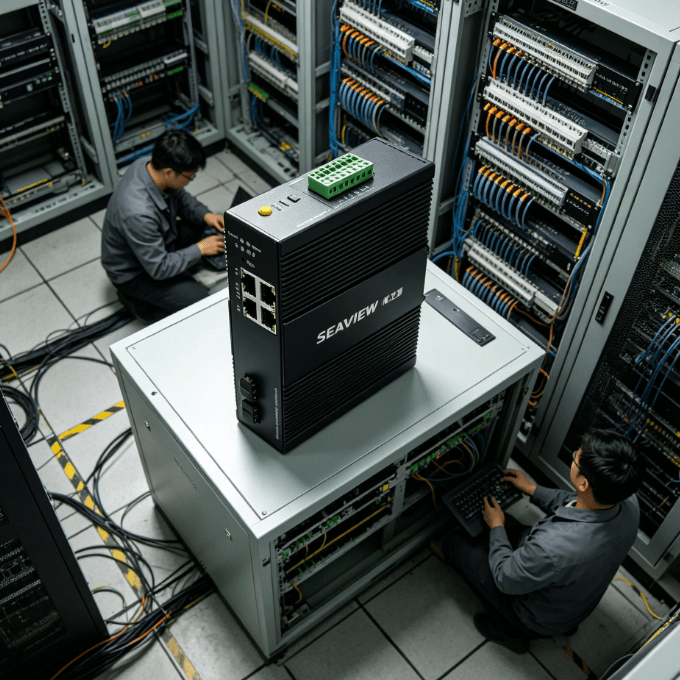
Initial purchase price is often misleading for budget planners. A commercial switch costs less upfront than an industrial model. However, frequent replacements in harsh areas increase the Total Cost of Ownership (TCO). Maintenance crews spend hours swapping failed office-grade gear in remote locations. These labor costs quickly exceed the price of a ruggedized unit.
Energy efficiency also plays a role in modern sustainability targets. Industrial switches are engineered to consume less power during idle periods. Their lack of mechanical fans reduces overall energy draw. Over a decade of operation, these savings become significant for large-scale deployments. Choosing the right hardware ensures long-term financial and operational health.
Security remains a top priority for 2026 network administrators. Both switch types offer managed features like VLANs and Port Security. However, industrial switches often include specialized hardware encryption. This protects sensitive data transmitted between remote sensors and central controllers. Ruggedized switches provide the physical and digital security required for critical infrastructure.
Selecting the Right Switch for Your Specific Application
Choosing between an industrial vs commercial switch requires evaluating your physical environment first. If the installation site lacks air conditioning, industrial is the only choice. You should also check for potential exposure to moisture or corrosive chemicals. Switches with IP40 ratings prevent fine dust from entering the internal circuitry. This protection is non-existent in standard office hardware.
Evaluating Your Network Expansion Needs
Consider the cost of downtime for your specific operation. A network failure in a small office is a minor inconvenience. A failure on a robotic assembly line costs thousands per minute. High-stakes environments require the redundancy and durability of industrial-grade equipment. You should verify if your site requires specialized industrial switches that offer long-term stability.
Strategic Infrastructure Integration
Integration with existing PLC or SCADA systems is another factor. Industrial switches often support automation protocols like Profinet or EtherNet/IP. This allows the network hardware to communicate directly with factory machinery. When designing these layouts, automation industry switches provide the precise protocols needed for machine communication. Matching the switch capabilities to the communication requirements of your end devices is essential.
Those seeking to optimize their network should examine specific product categories. For basic connectivity in harsh zones, industrial Ethernet units provide the necessary foundation. If your cable runs exceed standard limits, using industrial ethernet repeaters can extend your reach without signal loss. Selecting the correct category ensures your network remains robust throughout 2026.
Summary
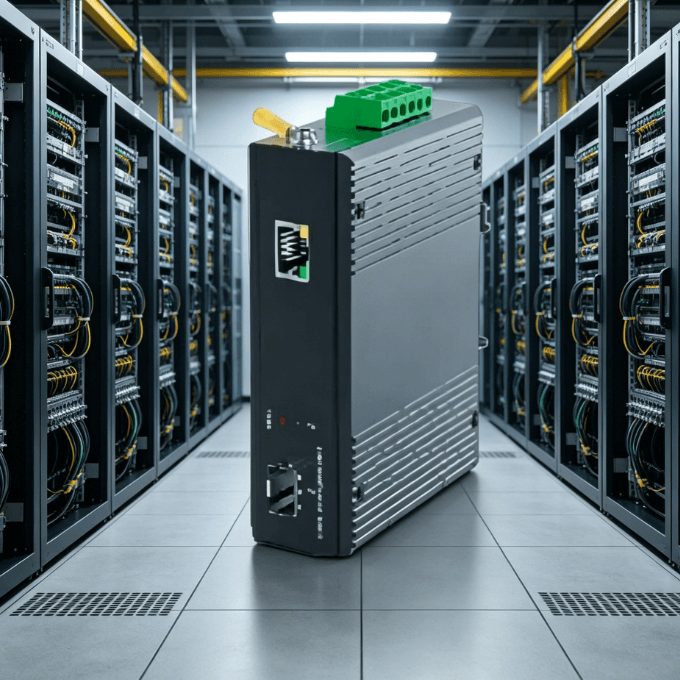
The choice between an industrial vs commercial switch depends on environmental stress and the cost of failure. Industrial switches offer superior temperature resistance, longer lifespans, and faster recovery protocols. While commercial switches suit climate-controlled offices, industrial models are essential for the reliability demands of modern 2026 infrastructure.
FAQ
1. Can I use a commercial switch in a factory if it is inside a cabinet?
Usually no, because heat builds up rapidly inside enclosed cabinets without active cooling. A commercial switch will likely overheat and fail prematurely in these conditions.
2. What is the main benefit of DIN-rail mounting?
DIN-rail mounting allows for high-density installation in standard industrial control panels. It simplifies organization and provides a secure, vibration-resistant attachment point for hardware.
3. Do industrial switches support Power over Ethernet (PoE)?
Yes, many industrial models provide high-power PoE++ to support outdoor PTZ cameras and wireless access points. They are designed to deliver stable power even in extreme cold or heat.
4. How long does an industrial switch typically last?
Most industrial switches are designed for a service life of 10 to 25 years. This longevity reduces the frequency of network upgrades and lowers long-term maintenance costs.
5. Why is passive cooling better than using fans?
Fans are mechanical parts that eventually wear out or get clogged with dust. Passive cooling uses solid metal heat sinks, eliminating the most common point of physical failure in network gear.
Reference Sources
IEEE Xplore – Research on Industrial Ethernet Reliability
Cisco – Industrial Networking Solutions and Standards
Advantech – Industrial vs Commercial Grade Hardware Comparisons