
What Is a Smart Transportation System?

A smart transportation system serves as the digital backbone of modern urban mobility. It integrates advanced information and communication technologies into transport infrastructure. This integration aims to optimize the movement of people and goods. By 2026, these systems have become essential for managing growing city populations. They transform traditional roads into interactive digital environments.
The primary goal of a smart transportation system is to improve safety and efficiency. It uses real-time data to monitor vehicle flow and pedestrian activity. This allows city planners to respond to traffic changes instantly. Sensors and cameras act as the eyes of the system. Software algorithms then process this data to make informed decisions.
Implementing a smart transportation system reduces the environmental impact of travel. It minimizes vehicle idling and optimizes transit routes. This leads to lower carbon emissions in densely populated areas. Modern cities rely on these systems to create a more livable and sustainable future. As we move through 2026, the reliance on automated traffic management continues to grow.
What Are the Core Technologies in a Smart Transportation System?
The foundation of a smart transportation system lies in connectivity and sensing. Internet of Things (IoT) devices collect data from every corner of the city. These include smart cameras, acoustic sensors, and roadbed pressure pads. They provide a continuous stream of information to central control hubs. This connectivity ensures that every part of the network is visible.
High-speed communication networks like 5G are crucial for this ecosystem. They offer the low latency required for mission-critical safety applications. In 2026, 5G allows vehicles to communicate with traffic lights in milliseconds. This Vehicle-to-Infrastructure (V2I) communication prevents many common road accidents. Without robust networks, the system cannot function at its full potential.
Artificial Intelligence (AI) serves as the brain of the smart transportation system. AI models analyze historical patterns to predict future traffic jams. They can adjust signal timings dynamically to clear congestion before it starts. This predictive capability is a major leap forward from traditional timed lights. Data-driven intelligence is the primary driver of urban efficiency today.
| Technology Layer | Key Components | Primary Role in 2026 |
| Perception Layer | LiDAR, High-Res Cameras, IoT Sensors | Accurate data gathering and object detection |
| Network Layer | 5G Networks, Fiber Optics, V2X | Ultra-reliable low-latency data transmission |
| Processing Layer | Edge Computing, AI Algorithms, Cloud | Real-time analysis and automated decision-making |
| Application Layer | Traffic Management Software, User Apps | Delivery of services to city managers and drivers |
Edge computing has become a standard feature in these systems. It allows data processing to happen near the source of collection. This reduces the time needed to trigger safety alerts or traffic updates. By 2026, localized processing has significantly improved system reliability. It ensures that critical functions continue even if central servers are busy.
Data security protocols are also a vital part of the technological stack. These systems handle massive amounts of personal and public information. Encryption and secure gateways protect the network from unauthorized access. A secure smart transportation system builds public trust in digital infrastructure. Ongoing maintenance of these digital shields is a top priority for 2026 city planners.
Why is a Smart Transportation System Essential for Modern Cities?
The global urban population is expected to reach new heights by 2026. Traditional road expansion is no longer a viable solution for many cities. A smart transportation system allows cities to do more with their existing roads. It maximizes throughput without the need for disruptive construction projects. This efficiency is vital for maintaining economic productivity.
Traffic congestion costs the global economy billions of dollars every year. A smart transportation system directly addresses this economic burden. By reducing travel times, it allows people to spend more time being productive. According to recent 2026 industry reports, intelligent systems can reduce commute times by up to 20%. This improvement has a direct positive impact on citizen well-being.
Safety remains the most compelling reason to adopt these technologies. Most road accidents are caused by human error or poor visibility. Smart transportation systems eliminate human error through automation and alerts. They can warn drivers of black ice or hidden pedestrians ahead. In 2026, cities using these systems have seen a 30% drop in fatal collisions.
Environmental sustainability is another critical factor for urban areas. Idling vehicles are a major source of urban air pollution. Smart transportation systems reduce emissions by keeping traffic moving smoothly. They also prioritize public transit and electric vehicle charging networks. This supports the global transition toward greener urban environments in 2026.
Public transit becomes much more attractive when it is “smart.” Real-time tracking allows passengers to plan their trips with total confidence. Digital payment systems make boarding faster and more convenient for everyone. These improvements encourage more people to leave their cars at home. This shift is essential for reducing the total number of vehicles on the road.
Enhancing Emergency Response and Public Safety
Emergency services benefit immensely from a smart transportation system. The system can create “green corridors” for ambulances and fire trucks. It automatically clears traffic paths by adjusting signals in real-time. This can reduce emergency response times by several critical minutes. In 2026, faster response times are directly saving more lives in smart cities.
Law enforcement also uses these systems for better incident management. Automated systems can detect accidents or stalled vehicles instantly. This allows authorities to dispatch help without waiting for a phone call. It also helps in managing large crowds during public events or holidays. The system provides a bird’s-eye view of the city’s movement at all times.
Integrated weather stations provide localized environmental data to the grid. If a sudden storm hits, the system lowers speed limits automatically. It sends warnings to all connected vehicles via their dashboard displays. This proactive approach prevents multi-vehicle pileups during hazardous weather. Weather-aware infrastructure is a key safety feature of the 2026 transport landscape.
How Does Real-Time Data Connectivity Improve Urban Mobility?
Connectivity is the lifeblood of a modern smart transportation system. It allows for the seamless flow of information between diverse components. When every vehicle and sensor is connected, the city functions as one unit. This holistic approach is much more effective than isolated traffic signals. In 2026, high-speed connectivity is considered a basic utility like water.
Real-time data allows for dynamic road pricing and tolling systems. These systems adjust prices based on current traffic levels and demand. This encourages drivers to travel during off-peak hours when possible. It helps in balancing the load across the entire road network. Dynamic management is the most effective way to handle peak traffic demand.
Smart parking solutions are another significant benefit of connectivity. Sensors in parking spots communicate with mobile apps used by drivers. This guides users directly to the nearest available parking space. It eliminates the need for vehicles to circle blocks looking for spots. Research indicates this reduces urban traffic volume by nearly 15%.
Connectivity also supports the growth of autonomous vehicle fleets. These cars rely on a smart transportation system to navigate safely. They receive data about road conditions that their internal sensors might miss. The infrastructure provides an extra layer of redundancy for self-driving technology. By 2026, this synergy has become vital for the deployment of robotaxis.
The integration of micro-mobility is also made easier through connectivity. E-scooters and bikes are linked to the same central transit network. This allows for a “multi-modal” travel experience for all citizens. A traveler can switch from a train to a scooter using one app. Connected ecosystems make urban travel more flexible and accessible for everyone.
Improving Infrastructure Longevity and Maintenance
Smart sensors can monitor the health of roads and bridges. They detect vibrations or cracks that might indicate structural issues. This allows for “predictive maintenance” before a major failure occurs. Fixing a small crack is much cheaper than replacing a bridge deck. Infrastructure health monitoring saves cities millions in long-term repair costs.
Automated systems can also manage street lighting more efficiently. Lights only brighten when they detect pedestrians or moving vehicles. This saves energy while still ensuring public safety at night. In 2026, smart lighting has become a standard feature in green cities. It significantly reduces the operational costs for municipal governments.
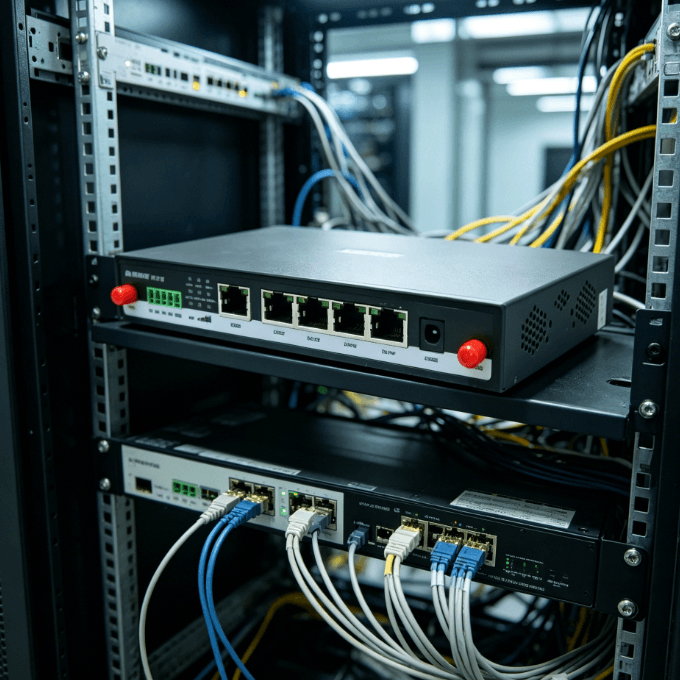
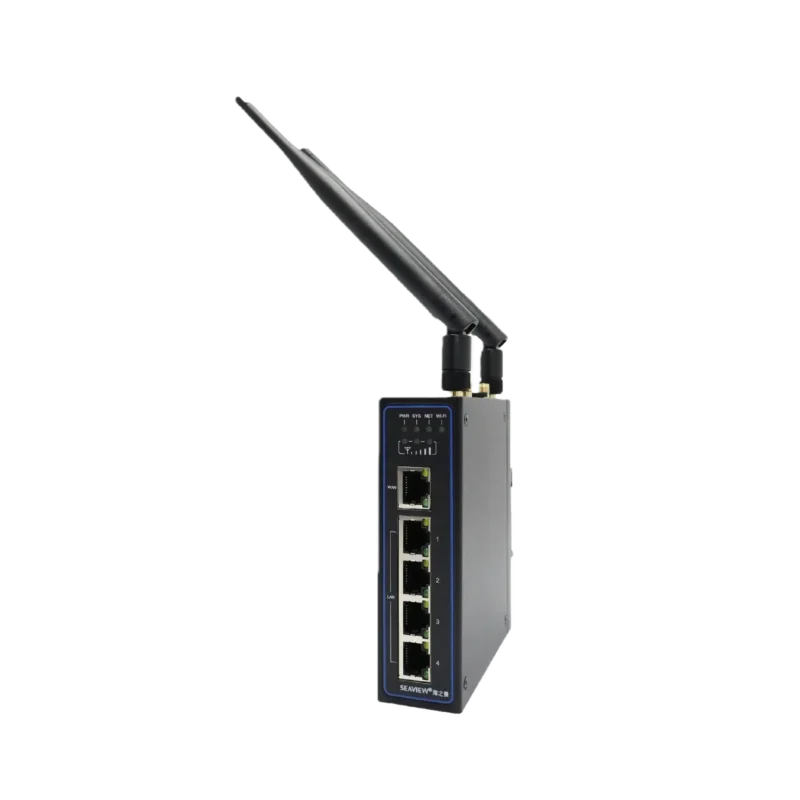
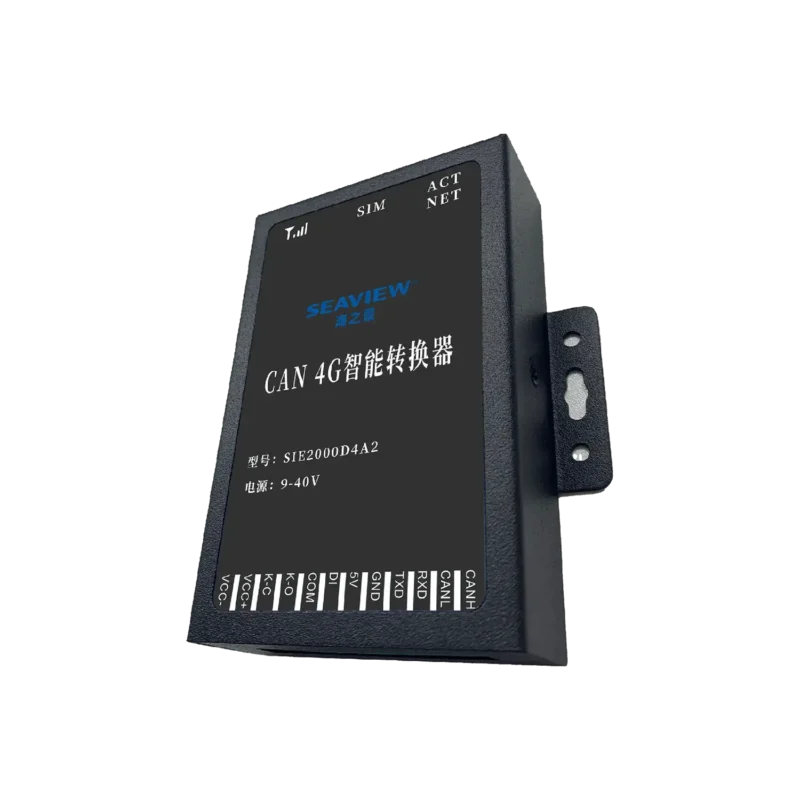
Gateways and hubs collect data from these diverse hardware components. They ensure that information is formatted correctly for the central system. Robust hardware is required to maintain these connections in all conditions. High-quality components are the foundation of a reliable digital network. Investing in durable connectivity hardware is essential for system longevity.
How to Evaluate Infrastructure for Smart Transportation Solutions?
Choosing the right components for a smart transportation system is a complex task. City planners must look for hardware that is both powerful and durable. The equipment needs to handle extreme weather while processing vast data. Selecting reliable hardware is the most important step in building a resilient city. You must consider how different parts work together as a whole.
Integration is a major factor when evaluating different hardware options. Many cities are turning to multi-functional structures to save space and money. For example, smart light pole solutions provide a versatile platform for many sensors. They can hold cameras, 5G nodes, and environmental sensors all at once. This approach simplifies the installation process for new smart city projects.
Another critical judgment criterion is the ability to process data at the edge. You need devices that can make local decisions without relying on the cloud. Utilizing 4G/5G edge computing gateways allows for this high-speed local processing. These gateways ensure that safety systems respond instantly to road hazards. They also reduce the amount of bandwidth needed for the overall network.
Scalability is also a vital consideration for long-term urban planning. Technology in 2026 moves fast, and hardware must be easy to upgrade. Modular designs allow cities to add new features as they become available. This prevents the infrastructure from becoming obsolete within a few years. Future-proof hardware ensures that your investment remains valuable for decades.
Finally, look for hardware with strong security and remote management features. Administrators should be able to update software and fix bugs from their desks. This reduces the need for sending technicians out into the field. Secure devices prevent hackers from interfering with vital traffic control systems. Reliable, secure, and manageable hardware is the cornerstone of any smart transportation system.
Summary
In 2026, a smart transportation system is the definitive solution for modern urban challenges. It combines IoT, AI, and 5G connectivity to create safer and more efficient cities. By leveraging real-time data and robust hardware, cities can reduce congestion and improve sustainability. Choosing integrated infrastructure like smart poles and edge gateways ensures a reliable foundation for the future of mobility.
FAQ
1. What is the primary function of a smart transportation system?
A smart transportation system primarily functions to optimize urban mobility and enhance road safety. It uses a network of sensors and communication tools to manage traffic in real-time. By 2026, these systems are used to reduce delays and minimize human error on the roads. They ensure that city transit remains efficient even as populations grow.
2. How does edge computing benefit traffic management?
Edge computing allows data to be processed locally rather than in a distant cloud server. This significantly reduces the time it takes for a system to respond to incidents. For example, a traffic light can change immediately if a sensor detects an emergency vehicle. This speed is essential for preventing accidents and managing high-speed transit networks.
3. Are smart transportation systems better for the environment?
Yes, these systems are much better for the environment because they reduce traffic congestion. When vehicles spend less time idling in traffic, they burn less fuel and emit fewer pollutants. They also help cities integrate electric vehicle charging and promote the use of public transit. In 2026, this is a key part of meeting international climate goals.
4. What role do smart light poles play in these systems?
Smart light poles serve as multi-functional hubs for various digital technologies. They provide a physical location to mount 5G small cells, security cameras, and air quality sensors. By combining these tools into one pole, cities can reduce street clutter and lower costs. They are an essential part of the physical infrastructure for any modern digital city.
5. Is data privacy a concern for smart transportation?
Data privacy is a major consideration, and modern systems use advanced encryption to protect users. Authorities typically anonymize traffic data so that individual drivers cannot be tracked. Secure gateways and firewalls are used to prevent unauthorized access to the network. Maintaining high security standards is vital for gaining the trust of the general public.
Reference Sources
U.S. Department of Transportation Intelligent Transportation Systems Joint Program Office
Institute of Electrical and Electronics Engineers Smart Cities Research